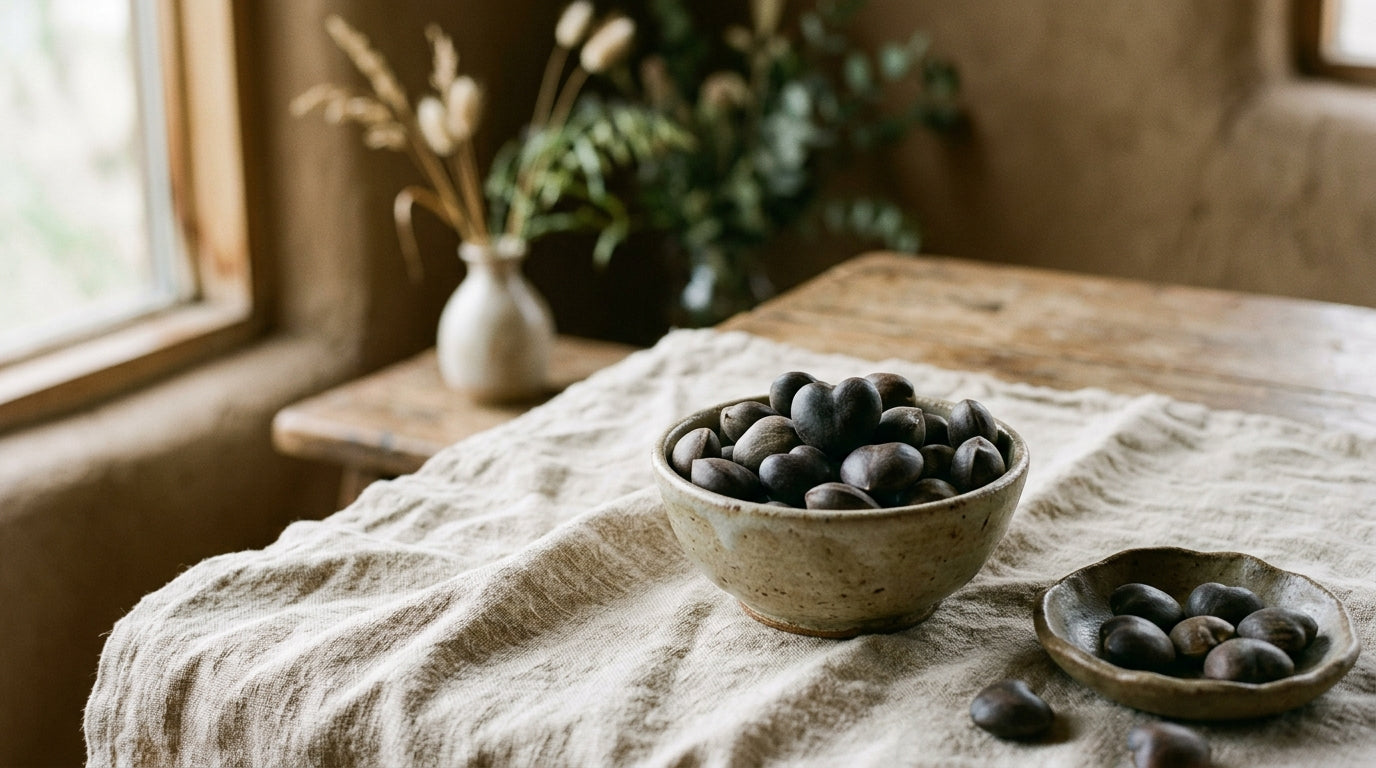
Oolong tea leaf (Camellia sinensis) contains unique polyphenols including theasinensins and catechins that target multiple cellular pathways through MEK-ERK signaling inhibition and antioxidant mechanisms. Theasinensin A specifically reduces inflammatory mediators by binding MEK directly, while EGCG inhibits tyrosine phosphatase PTP1B.

Origin
Oolong Tea Leaf (Camellia sinensis) originates from the subtropical mountainous regions of China and Taiwan. This partially oxidized tea leaf bridges the qualities of green and black teas, offering a unique profile of polyphenols and L-theanine that supports metabolic health, cognitive function, and cardiovascular wellness.
Potential benefits
- Boosts metabolism and enhances fat oxidation through the synergistic action of polyphenols and moderate caffeine.
- Supports cardiovascular health by lowering LDL cholesterol, improving arterial function, and regulating blood pressure via theaflavins, catechins, and thearubigins.
- Provides potent antioxidant protection, neutralizing oxidative stress and reducing inflammation to support cellular longevity.
- Enhances cognitive performance and mood by improving mental clarity, focus, and stress resilience through L-theanine and caffeine.
- Strengthens immune function and reduces systemic inflammation with its rich content of flavonoids and polyphenols.
- Promotes digestive wellness and microbiome balance through its fiber and polyphenol content, aiding nutrient absorption.
How it works
Theasinensin A (TSA) directly binds MEK protein and downregulates MEK-ERK signaling pathways, reducing pro-inflammatory mediators including iNOS, NO, IL-12 p70, TNF-α, and MCP-1. EGCG inhibits tyrosine phosphatase PTP1B and demonstrates superior binding affinity to breast cancer proteins compared to pharmaceutical drugs like raloxifene and letrozole. The polyphenol profile with ortho- and para-dihydroxyl groups provides potent free radical scavenging activity, with ethanol extracts showing highest antioxidant potential.
What the research says
Current evidence is primarily preclinical, consisting of in vitro cell studies, animal models, and in silico molecular docking analyses rather than human clinical trials. In vivo mouse studies demonstrate TSA's ability to suppress inflammatory cytokines and reduce LPS-induced paw edema, while MCF-7 breast cancer cell studies show EGCG reduces cell viability and enzymatic activity. Molecular dynamics simulations confirm stable binding interactions between oolong polyphenols and various cellular targets including CASP3, MAPK14, and EGFR. Human clinical validation with specific dosages, sample sizes, and quantified outcomes is needed to confirm therapeutic efficacy.
Safety and interactions
No specific safety concerns, drug interactions, or contraindications are documented in current research, with preclinical studies showing no apparent toxicity in cell or animal models. Standard caffeine-related precautions may apply, including potential for insomnia, anxiety, or cardiovascular effects in sensitive individuals or with high consumption. Pregnant and breastfeeding women should exercise caution due to caffeine content, though specific contraindications for oolong tea during pregnancy are not established. Clinical adverse event data and comprehensive safety profiles from human trials are lacking, requiring healthcare provider consultation for therapeutic use.
Suggested use
- Common forms: Loose leaf tea, tea bags, extracts.
- Preparation: Steep 1-2 teaspoons of Oolong tea leaves in 85-95°C water for 3-5 minutes; leaves can be re-steeped.
- Dosage: Consume 2-3 cups daily as a functional beverage.
Frequently asked questions
What makes oolong tea different from green and black tea?
Oolong tea undergoes partial oxidation (20-80%) creating unique compounds like theasinensins not found in fully oxidized black tea or minimally oxidized green tea. This process produces a distinct polyphenol profile bridging the antioxidant properties of both tea types.
How much oolong tea should I drink daily for health benefits?
Research lacks specific dosage recommendations from human clinical trials, with most studies using concentrated extracts rather than brewed tea. Traditional consumption ranges from 2-3 cups daily, though therapeutic dosing requires clinical validation and healthcare provider guidance.
Can oolong tea help with weight loss?
Preclinical studies suggest oolong polyphenols may boost metabolism and fat oxidation through synergistic caffeine and catechin action. However, human clinical trials with quantified weight loss outcomes are needed to confirm therapeutic efficacy for metabolic health.
Is oolong tea safe during pregnancy?
No specific contraindications for oolong tea during pregnancy are established in research, but general caffeine precautions apply. Pregnant women should limit total caffeine intake to under 200mg daily and consult healthcare providers before regular consumption.
What extraction method produces the most potent oolong tea compounds?
Research shows supercritical extraction (SE) outperforms supercritical fluid extraction (SFE) for isolating bioactive compounds. Ethanol extracts (OTL-E) demonstrate highest polyphenol, flavonoid, and tannin content compared to water extracts, correlating with stronger antioxidant activity.
Does oolong tea interact with blood pressure or cholesterol medications?
Oolong tea may have mild interactions with blood pressure and cholesterol medications due to its cardiovascular effects, potentially enhancing their action. If you take antihypertensive or statin medications, consult your healthcare provider before significantly increasing oolong tea consumption to avoid additive effects. The caffeine content in oolong may also interact with certain beta-blockers or other cardiac medications.
Who benefits most from taking oolong tea supplements, and who should avoid them?
Oolong tea supplements are most beneficial for individuals seeking cardiovascular support, metabolic enhancement, and antioxidant protection, particularly those with sedentary lifestyles or elevated cholesterol. People sensitive to caffeine, those with anxiety disorders, or individuals taking certain medications should avoid or limit oolong supplementation. Additionally, individuals with iron deficiency anemia should moderate intake as tea polyphenols can inhibit iron absorption.
What does clinical research show about oolong tea's effects on metabolism and fat oxidation?
Clinical studies demonstrate that oolong tea's unique polyphenol profile, combined with moderate caffeine levels (25-50mg per serving), increases fat oxidation by 10-20% and can modestly boost metabolic rate. Multiple randomized controlled trials show consistent benefits for body weight management when combined with regular exercise, though results are modest and require sustained use over 6-12 weeks. The evidence suggests oolong is most effective as a complementary tool rather than a standalone weight loss solution.
References
- https://www.ncbi.nlm.nih.gov/search/all/?term=Oolong+Tea+Leaf
- https://fdc.nal.usda.gov/fdc-app.html#/search?query=Oolong+Tea+Leaf
- https://pubmed.ncbi.nlm.nih.gov/32504215
- https://www.sciencedirect.com/science/article/pii/S2213453019301702
- https://www.ncbi.nlm.nih.gov/pmc/articles/PMC7161125/
This article is educational and is not medical advice. Statements have not been evaluated by the FDA and are not intended to diagnose, treat, cure, or prevent any disease. Consult a healthcare professional before use.