To date, no published phase I, II, or III randomized controlled trials have specifically evaluated isolated gallic acid supplementation in humans with pre-registered outcomes, sample size calculations, and effect size reporting. Preclinical rodent models studying antioxidant, hepatoprotective, and neuroinflammatory endpoints have provided proof-of-concept data at 50–200 mg/kg doses, but these cannot be directly converted to evidence-based human supplementation guidelines without bridging pharmacokinetic and safety studies. Anecdotal clinical references cite reductions in inflammatory biomarkers such as C-reactive protein, TNF-α, and IL-6, but the source trials lack disclosed registration numbers, sample sizes, and statistical details sufficient for quality appraisal. The overall confidence in clinical efficacy for any specific human health indication remains low, and gallic acid should currently be regarded as a promising preclinical candidate requiring rigorous clinical investigation rather than an evidence-validated therapeutic agent.

Origin
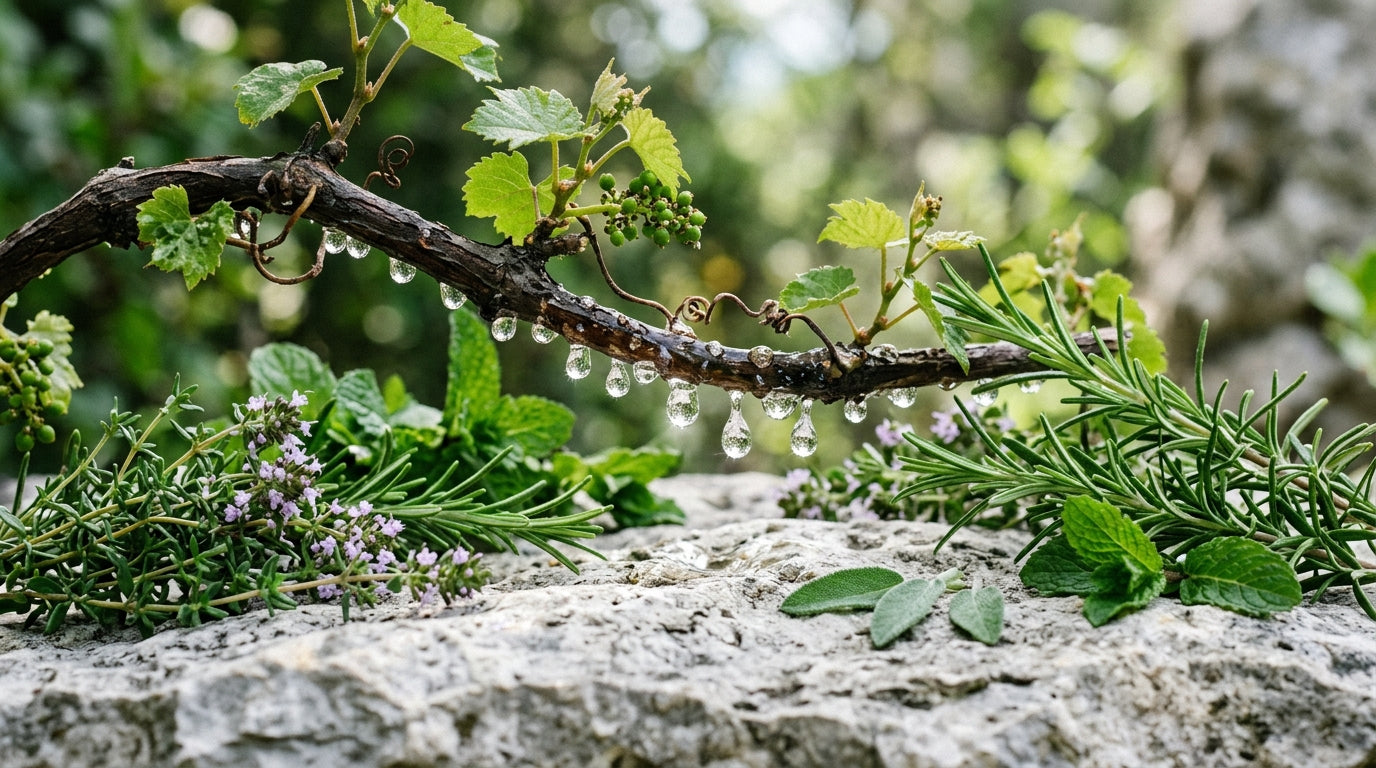
Gallic acid (C₇H₆O₅) is a naturally occurring polyphenolic acid found widely across the plant kingdom, with particularly high concentrations in oak galls (Quercus infectoria), tea leaves (Camellia sinensis), grape skins and seeds (Vitis vinifera), pomegranate rinds (Punica granatum), and sumac (Rhus coriaria). It occurs both in free form and as a structural unit of larger hydrolysable tannins such as tannic acid and ellagitannins, from which it can be liberated by enzymatic or acidic hydrolysis. Its biosynthesis proceeds via the shikimate pathway in plants, and it has been commercially extracted and purified for centuries, particularly from oak gall tissue produced in response to insect activity across temperate regions of Europe, Asia, and the Middle East.
Potential benefits
- Antioxidant Defense Enhancement: Gallic acid scavenges hydroxyl, superoxide, and peroxyl radicals directly and upregulates superoxide dismutase (SOD), catalase, glutathione peroxidase, and reduced glutathione (GSH), reducing oxidative biomarkers such as malondialdehyde in animal models of ischemia-reperfusion injury at doses of 50–200 mg/kg.
- Anti-Inflammatory Activity: By inhibiting NF-κB nuclear translocation, gallic acid suppresses transcription of pro-inflammatory cytokines including IL-1β, IL-6, and TNF-α, and downregulates inducible nitric oxide synthase (iNOS) and COX-2, with rodent neuroinflammation models demonstrating significant cytokine reduction at 100 mg/kg oral dosing.
- Antimicrobial and Antibiofilm Action: Gallic acid disrupts bacterial cell membrane integrity, reduces intracellular ATP levels, impairs pH homeostasis, denatures proteins, and causes DNA damage in susceptible organisms, while additionally inhibiting biofilm formation across a range of gram-positive and gram-negative pathogens at concentrations defined by minimum inhibitory concentration (MIC) assays.
- Anticancer Potential: In vitro studies demonstrate that gallic acid induces mitochondrial pathway apoptosis, arrests the cell cycle, suppresses PI3K/Akt/NF-κB and MAPK oncogenic signaling, reduces matrix metalloproteinase (MMP) expression, and increases intracellular ROS selectively in cancer cells such as T24 bladder carcinoma, MCF-7 breast, and HepG2 hepatocellular lines.
- Neuroprotection: Animal models of cerebral ischemia-reperfusion and LPS-induced neuroinflammation show that gallic acid restores antioxidant enzyme activity, reduces lipid peroxidation, and lowers neuroinflammatory markers in brain tissue, suggesting blood-brain barrier penetration and central neuroprotective effects.
- Hepatoprotective Effects: In cyclophosphamide- and hepatotoxin-challenged rodent models, gallic acid restored hepatic GSH levels, reduced hydrogen peroxide and malondialdehyde concentrations, and normalized liver enzyme profiles, indicating cytoprotective activity mediated through antioxidant pathway upregulation.
- Antiviral Properties: Gallic acid and its derivatives have demonstrated inhibitory activity against several viruses including influenza, herpes simplex, and norovirus surrogates in vitro, proposed to act through interference with viral attachment, replication enzymes, and capsid protein integrity, though mechanistic details and clinical translation remain under investigation.
How it works
Gallic acid exerts its antioxidant effects primarily by donating hydrogen atoms from its three phenolic hydroxyl groups to neutralize reactive oxygen species including superoxide anion, hydroxyl radical, and lipid peroxyl radicals, while also chelating redox-active transition metals (Fe²⁺, Cu²⁺) that catalyze Fenton-type reactions. At the transcriptional level, it suppresses IκB kinase (IKK) phosphorylation, thereby preventing IκBα degradation and blocking NF-κB p65 nuclear translocation, which reduces expression of downstream inflammatory genes encoding TNF-α, IL-1β, IL-6, iNOS, and COX-2. In cancer cells, gallic acid activates the intrinsic apoptotic cascade through mitochondrial membrane potential dissipation, cytochrome c release, and caspase-3/9 activation, while simultaneously suppressing PI3K/Akt survival signaling and activating JNK/p38 MAPK stress pathways; molecular docking studies indicate high-affinity binding interactions with SOD and glutathione reductase active sites, surpassing some reference inhibitors in binding energy. Antimicrobial activity involves physical disruption of bacterial phospholipid bilayers, leakage of intracellular ATP and ions, inhibition of cell wall biosynthetic enzymes, protein denaturation, and under UV-C irradiation the additional generation of quinone intermediates and superoxide that synergistically damage bacterial DNA and proteins.
What the research says
The evidence base for gallic acid is currently preclinical in strength, consisting predominantly of in vitro cell culture experiments and rodent model studies, with a marked absence of well-designed, adequately powered human randomized controlled trials reporting specific effect sizes. Rodent antioxidant and anti-inflammatory studies (typically n = 6–10 per group) have consistently demonstrated significant reductions in lipid peroxidation markers and restoration of enzymatic antioxidant capacity at oral doses of 50–200 mg/kg, but direct allometric translation to human doses has not been validated clinically. Anticancer mechanistic studies in human-derived cell lines (T24, MCF-7, HepG2, A549) provide reproducible in vitro evidence for apoptosis induction and pathway suppression, yet these findings have not progressed to phase I or II clinical trials with reported outcomes. While gallic acid appears in anecdotal and narrative reviews as a component of polyphenol-rich foods with population-level health associations, isolated human interventional evidence with defined doses, pharmacokinetic endpoints, and biomarker outcomes is lacking, warranting caution in extrapolating preclinical findings to clinical recommendations.
Safety and interactions
Gallic acid demonstrates favorable in silico safety predictions with no violations of Lipinski's drug-likeness rules and no predicted mutagenicity, carcinogenicity, or acute toxicity at physiological concentrations, and preclinical animal studies at oral doses of 100–200 mg/kg have not reported adverse organ toxicity in short-term rodent trials; however, systematic long-term toxicology studies in animals and all human safety data remain absent or unpublished. High-dose gallic acid has been shown to exhibit pro-oxidant activity under certain conditions—particularly in the presence of transition metal ions—generating quinone intermediates and superoxide, suggesting that supraphysiological concentrations could paradoxically increase oxidative stress, and UV-C irradiation specifically potentiates this pro-oxidant antimicrobial mechanism. Potential drug interactions are plausible but uncharacterized in clinical studies: gallic acid's inhibition of CYP450 enzymes (suggested by in vitro data), antiplatelet-like effects via COX inhibition, and chemotherapy-sensitizing activity observed with temozolomide and cisplatin in cancer models indicate that co-administration with anticoagulants, immunosuppressants, or cytotoxic chemotherapy should be approached cautiously pending formal interaction studies. No established maximum safe dose, pregnancy safety category, or lactation guidance exists for isolated gallic acid supplementation in humans, and pregnant or breastfeeding individuals should avoid supplemental doses beyond normal dietary food intake until safety data are available.
Suggested use
- Pure Gallic Acid Powder: No established human recommended daily dose; preclinical effective range is 50–200 mg/kg in rodents (rough allometric estimate for a 70 kg adult: approximately 570–2,300 mg/day, unvalidated in humans).
- Plant Extract Standardized Forms: Available as gallnut extract, pomegranate extract, or green tea extract standardized to gallic acid content (typically 10–40% polyphenols with gallic acid as a quantified marker); dosing follows extract labeling.
- Tannic Acid / Hydrolysable Tannin Extracts: Commercial tannin preparations liberate free gallic acid upon hydrolysis in the GI tract; doses of 500–1000 mg of tannic acid provide variable free gallic acid depending on hydrolysis efficiency.
- Nanoencapsulated Formulations: Experimental lipid nanoparticle, chitosan nanoparticle, and polymeric nanocarrier systems are under research development to improve bioavailability and targeted delivery, particularly for oncology and dermatology applications; no approved products are commercially standardized.
- Dietary Intake via Food: Regular consumption of green tea (150–300 mg total polyphenols per cup), pomegranate juice, red wine, walnuts, and sumac-spiced foods provides low-dose continuous gallic acid exposure estimated at tens to low hundreds of milligrams per day.
- Timing: No clinical timing data exist; animal studies typically administer doses once daily by gavage; antioxidant phenolic acids are generally absorbed within 1–2 hours of oral ingestion based on pharmacokinetic modeling.
- Topical Preparations: Gallic acid is incorporated into cosmetic and dermatological formulations at 0.1–2% concentrations for antioxidant skin protection, based on in vitro efficacy data.
Frequently asked questions
What is gallic acid and what foods contain it?
Gallic acid is a naturally occurring phenolic acid (C₇H₆O₅) found in numerous plants, with highest concentrations in oak galls (50–70% dry weight), pomegranate peel (1–4% dry weight), green tea leaves (0.5–1.5%), grape seeds (0.1–1%), sumac, and walnuts. It exists both as a free acid and bound within hydrolysable tannins such as tannic acid and ellagitannins, from which it is released during digestion by intestinal esterases and gut microbiota.
What are the proven health benefits of gallic acid?
Gallic acid has well-documented antioxidant, anti-inflammatory, and antimicrobial effects in preclinical (cell culture and animal) research, including radical scavenging, NF-κB inhibition reducing IL-1β, IL-6, and TNF-α, and bacterial membrane disruption with antibiofilm activity. Importantly, robust human randomized controlled trial data are currently lacking, so while preclinical evidence is promising across antioxidant, anticancer, and antimicrobial domains, the compound cannot yet be recommended for specific human health conditions based on clinical proof.
What is the recommended dosage of gallic acid as a supplement?
No officially established human recommended dose exists for isolated gallic acid supplementation; the preclinical effective range in rodent studies is 50–200 mg/kg body weight per day, which allometrically translates to approximately 570–2,300 mg/day for a 70 kg adult, but this extrapolation has not been validated or safety-tested in humans. Most dietary polyphenol intake studies suggest that routine consumption of gallic acid-rich foods (green tea, pomegranate, grapes) provides tens to low hundreds of milligrams per day from natural food sources, which represents the only exposure with any established safety record.
Is gallic acid safe and are there any side effects?
Gallic acid shows favorable safety predictions in computational toxicology models with no predicted mutagenicity or organ toxicity, and short-term animal studies at 100–200 mg/kg have not reported significant adverse effects. However, at high concentrations or in the presence of transition metal ions, gallic acid can exhibit pro-oxidant activity generating reactive quinone intermediates, and no long-term human safety studies, maximum tolerated dose trials, or pregnancy safety data have been published for supplemental doses beyond normal dietary exposure.
Does gallic acid have anticancer properties?
In vitro studies using human cancer cell lines including T24 bladder carcinoma, MCF-7 breast cancer, HepG2 hepatocellular carcinoma, and A549 lung cancer consistently demonstrate that gallic acid induces apoptosis via mitochondrial pathway activation, suppresses PI3K/Akt/NF-κB survival signaling, arrests the cell cycle, and reduces matrix metalloproteinase expression. These findings are preclinical only—no human clinical trials have evaluated gallic acid as a cancer treatment or preventive agent with reported outcomes—and it should not be considered an alternative to evidence-based cancer therapy.
How does gallic acid enhance the body's natural antioxidant defenses?
Gallic acid works through two mechanisms: it directly neutralizes harmful free radicals like hydroxyl, superoxide, and peroxyl radicals, and it also activates the body's own antioxidant enzymes including superoxide dismutase (SOD), catalase, and glutathione peroxidase. In animal studies, doses of 50–200 mg/kg reduced oxidative stress markers like malondialdehyde, particularly in models of ischemia-reperfusion injury. This dual action makes gallic acid more effective than single-mechanism antioxidants at protecting cells from oxidative damage.
References
- https://pubmed.ncbi.nlm.nih.gov/?term=gallic+acid+345+trihydroxybenzoic+acid
- https://pubmed.ncbi.nlm.nih.gov/37505226
This article is educational and is not medical advice. Statements have not been evaluated by the FDA and are not intended to diagnose, treat, cure, or prevent any disease. Consult a healthcare professional before use.