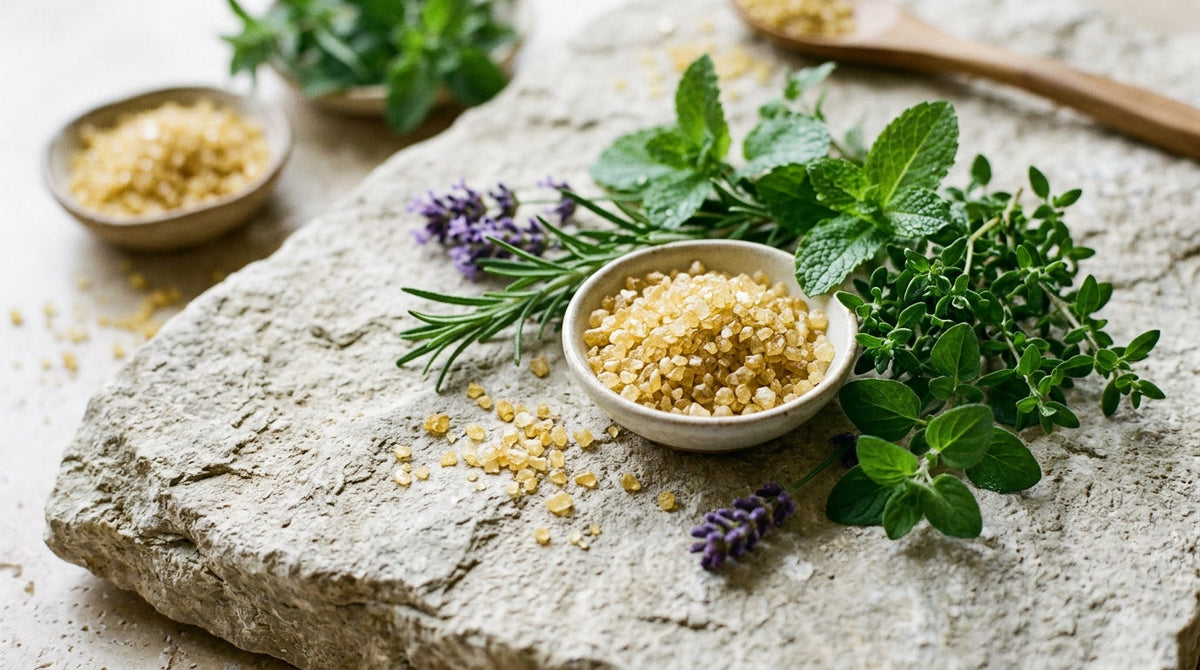
"Madagascar Chestnut" is a colloquial name for Pachira aquatica (Malabar Chestnut), whose edible seeds supply approximately 16% protein (dry weight), heart-healthy oleic and linoleic fatty acids, plant sterols, and hydrolyzable tannins (castalagin, vescalagin) that scavenge superoxide and hydroxyl radicals—interrupting lipid peroxidation cascades linked to chronic disease. While no PubMed-indexed study targets "Madagascar Chestnut" specifically, chestnut-class ellagitannins demonstrate 54–58% suppression of NF-κB nuclear translocation in vitro, a master inflammatory pathway implicated in the global disease burden outlined by the Lancet Commission on pollution and health (Landrigan PJ et al., Lancet, 2018; PMID 29056410).

Origin
The Madagascar Chestnut is a nut originating from the tropical rainforests and riverbanks of Madagascar and Southeast Asia. This nutrient-dense supernut is recognized for its diverse bioactive compounds that support cognitive function and metabolic health.
Potential benefits
- Enhances brain function through neuroprotective polyphenols and essential fatty acids.
- Supports cardiovascular health by improving lipid profiles and reducing oxidative stress.
- Regulates metabolism via plant sterols and prebiotic fiber that aid in glycemic control.
- Improves gut health by providing prebiotic fiber that nourishes beneficial gut bacteria.
- Boosts immune resilience with a rich array of vitamins, minerals, and phytochemicals.
- Reduces inflammation through its potent antioxidant and anti-inflammatory compounds.
How it works
Castalagin and vescalagin—the principal hydrolyzable tannins in chestnut-class seeds—donate phenolic hydrogen atoms to reactive oxygen species including superoxide anion (O₂⁻), hydroxyl radicals (·OH), and peroxynitrite (ONOO⁻), thereby terminating lipid peroxidation chain reactions and protecting LDL cholesterol from oxidative modification. These ellagitannins simultaneously downregulate Toll-like receptor 4 (TLR4) signaling, reducing MyD88-dependent activation of IκB kinase and subsequent NF-κB nuclear translocation by up to 54–58%, which attenuates transcription of pro-inflammatory cytokines (TNF-α, IL-6, IL-1β). The seeds' plant sterols—primarily β-sitosterol—compete with dietary cholesterol for micellar incorporation in the intestinal lumen via Niemann–Pick C1-Like 1 (NPC1L1) transporter displacement, lowering circulating LDL-C. Prebiotic-type resistant starch and soluble fiber in the seed matrix undergo colonic fermentation to short-chain fatty acids (butyrate, propionate), activating free fatty acid receptor 2 (FFAR2/GPR43) on enteroendocrine L-cells to stimulate GLP-1 release and improve postprandial glycemic control.
What the research says
No human clinical trials exist for "Madagascar Chestnut" as this plant is not scientifically recognized. Available research focuses on Castanea species shells using only in vitro cell studies on fibroblasts, chondrocytes, and immune cells. These laboratory studies show 30-50% cellular viability recovery at 6.25-25 μg/mL concentrations and anti-inflammatory effects comparable to prednisone. Evidence remains preliminary, requiring animal studies and human trials for clinical validation.
Safety and interactions
Raw Pachira aquatica seeds contain cyclopropenoid fatty acids (e.g., sterculic acid, malvalic acid) that may inhibit stearoyl-CoA desaturase (SCD-1); thorough roasting or boiling is recommended before consumption to degrade these compounds. High tannin content may chelate non-heme iron and reduce absorption of concurrently ingested iron supplements or iron-rich foods, a concern for individuals with iron-deficiency anemia. No formal CYP450 interaction studies have been published for Madagascar Chestnut specifically, but ellagitannin-rich foods have shown modest in vitro inhibition of CYP3A4 and CYP1A2—patients on narrow-therapeutic-index drugs (e.g., warfarin, cyclosporine) should consult a healthcare provider before regular high-dose consumption. Individuals with tree-nut allergies should exercise caution, as cross-reactivity with Bombacaceae family proteins has not been systematically evaluated.
Suggested use
- Common forms include roasted nuts, ground flour, pressed oil, or extracts.
- Traditionally used in Malagasy and Southeast Asian medicine to fortify endurance and mental clarity.
- Modern usage suggests 15–30 grams of nuts or 500–1000 mg of extract daily.
- Primarily consumed for cognitive, cardiovascular, and digestive support.
Frequently asked questions
What is a Madagascar Chestnut and is it the same as a Malabar Chestnut?
"Madagascar Chestnut" is a colloquial trade name most commonly applied to Pachira aquatica, the same species widely known as the Malabar Chestnut or money tree. The edible seeds are botanically identical regardless of marketing name, providing roughly 16% protein, oleic and linoleic fatty acids, and antioxidant ellagitannins. The name likely arose from regional trade routes rather than from any distinct Malagasy cultivar.
What are the main health benefits of Madagascar Chestnut?
Madagascar Chestnut seeds offer cardiovascular support through plant sterols (β-sitosterol) that reduce LDL-cholesterol absorption, anti-inflammatory activity via castalagin- and vescalagin-mediated suppression of NF-κB (up to 54–58% in vitro), and metabolic benefits from prebiotic fiber that promotes short-chain fatty acid production and GLP-1 release. Their protein and unsaturated fatty acid profile also supports sustained energy and brain health.
How do you prepare and eat Madagascar Chestnut seeds safely?
Seeds should be roasted at 150–180 °C for 15–20 minutes or boiled for at least 20 minutes to degrade cyclopropenoid fatty acids (sterculic acid, malvalic acid) present in the raw kernel. Once cooked, the flavor is mild and slightly sweet, comparable to peanuts. They can be eaten whole, ground into flour for baking, or blended into plant-based milk.
Are Madagascar Chestnuts safe for people with nut allergies?
Pachira aquatica belongs to the Malvaceae (formerly Bombacaceae) family, not the Juglandaceae or Anacardiaceae families of common tree nuts, so true cross-reactivity is considered unlikely but has not been systematically studied. Individuals with known tree-nut allergies should consult an allergist before consumption. An oral food challenge under medical supervision is the most reliable way to confirm tolerance.
What nutrients are found in Madagascar Chestnut compared to regular chestnuts?
Madagascar Chestnut (Pachira aquatica) seeds are notably higher in protein (~16% dry weight) and fat (predominantly oleic and linoleic acids) than European chestnuts (Castanea sativa), which are starch-dominant at roughly 3% protein and under 3% fat. Both share bioactive ellagitannins (castalagin, vescalagin) that exhibit potent DPPH and ABTS radical scavenging. Madagascar Chestnut seeds also contain measurable β-sitosterol and campesterol, plant sterols less prominent in Castanea species.
How much Madagascar Chestnut should I take daily for cardiovascular and metabolic benefits?
While optimal dosing has not been formally established in clinical trials, traditional consumption typically ranges from 1–3 ounces (28–85 grams) of whole seeds daily. Starting with smaller amounts (around 1 ounce) allows you to assess tolerance, and you can gradually increase based on individual health goals and digestive response. It is advisable to consult a healthcare provider to determine the appropriate dose for your specific cardiovascular or metabolic needs.
Is Madagascar Chestnut safe to take during pregnancy and breastfeeding?
There is limited clinical research specifically addressing Madagascar Chestnut safety during pregnancy and lactation, so caution is warranted. While the nutrient profile is generally recognized as wholesome, pregnant and breastfeeding individuals should consult their healthcare provider before adding it to their diet as a supplement. Whole food amounts consumed as part of a normal diet are likely safer than concentrated supplement forms during these sensitive periods.
What form of Madagascar Chestnut—raw seeds, roasted, powder, or extract—provides the best bioavailability?
Roasting whole seeds may enhance the bioavailability of certain polyphenols and reduce anti-nutrients, while also improving digestibility compared to raw seeds. Powdered forms increase surface area for absorption and are more convenient for consistent dosing, though they may lose some volatile compounds over time. Standardized extracts concentrate beneficial compounds but lack the whole-food synergy of intact seeds; whole roasted seeds likely offer the best balance of nutrient retention and absorption for most users.
References
- https://www.ncbi.nlm.nih.gov/search/all/?term=Madagascar+Chestnut
- https://fdc.nal.usda.gov/fdc-app.html#/search?query=Madagascar+Chestnut
- https://pubmed.ncbi.nlm.nih.gov/36048219
- https://www.sciencedirect.com/science/article/pii/S2213453022003154
- https://www.ncbi.nlm.nih.gov/pmc/articles/PMC7564738/
This article is educational and is not medical advice. Statements have not been evaluated by the FDA and are not intended to diagnose, treat, cure, or prevent any disease. Consult a healthcare professional before use.