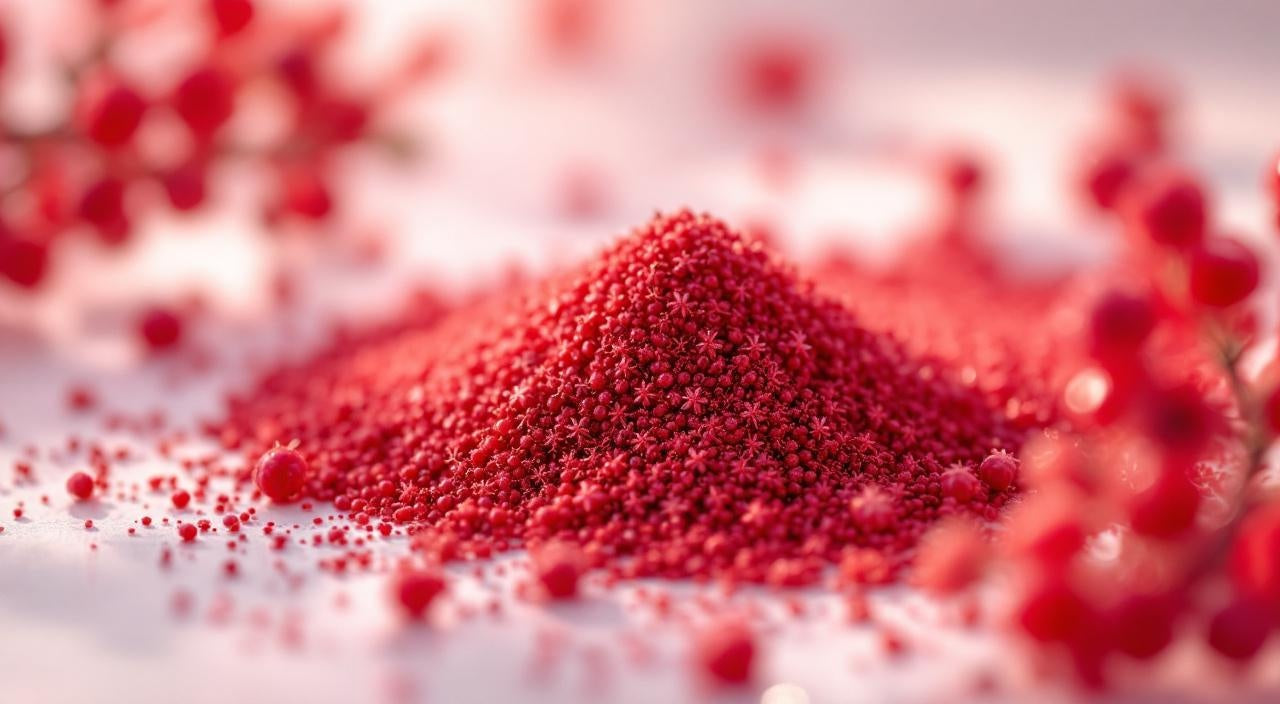
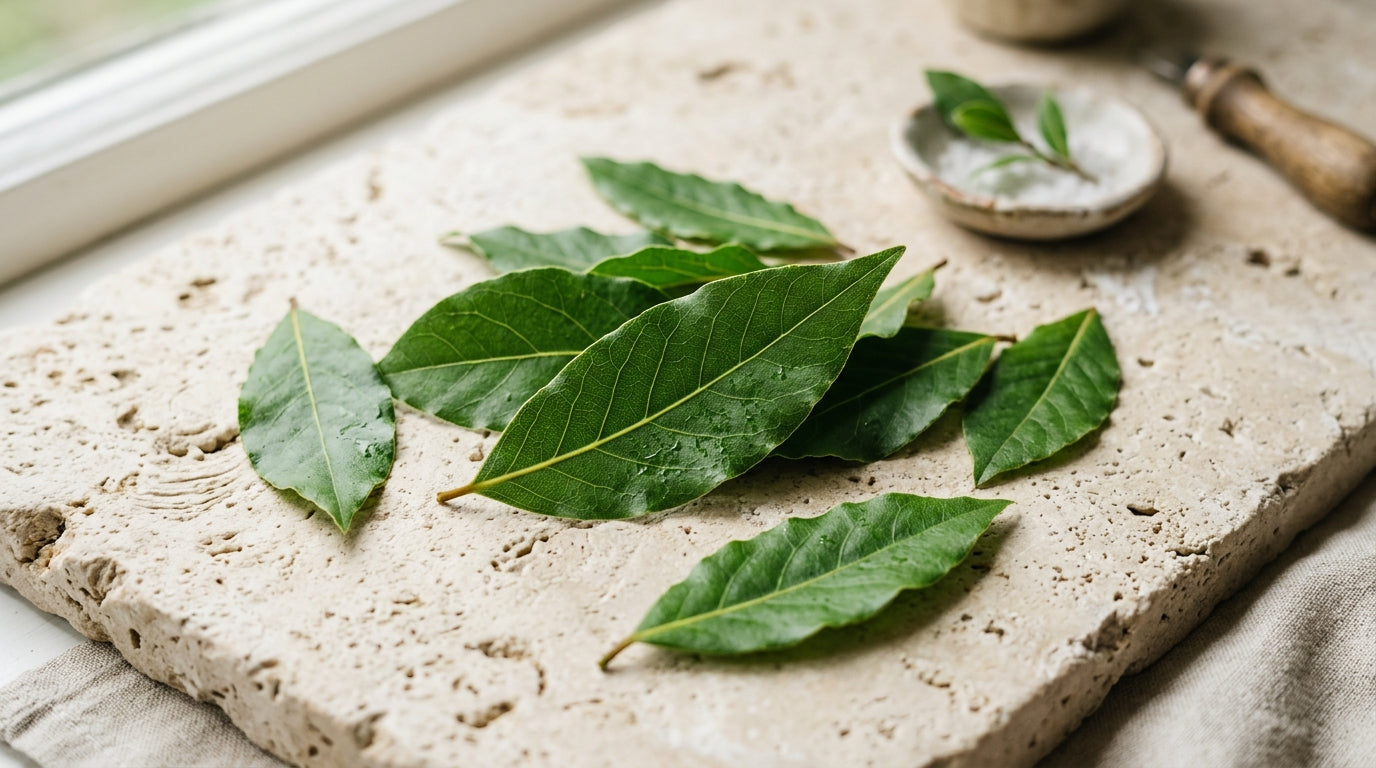
Barberry root syrup contains berberine, an alkaloid that activates AMPK pathways to regulate glucose metabolism and supports antimicrobial activity. The syrup form provides concentrated berberine alongside vitamin C for immune and metabolic support.

Origin
Native to Europe, North Africa, and parts of Asia, Barberry Root Syrup is made by extracting the juice from the roots of the barberry plant and fermenting it into a syrup. It has a tart flavor and is rich in vitamin C and antioxidants. Studies suggest that consuming around 200 mL of barberry juice daily may help reduce blood pressure, triglyceride, cholesterol, and blood sugar levels in individuals with type 2 diabetes.
Potential benefits
- Vitamin C: Supports immune health, collagen synthesis, and skin vitality.
- Antioxidants: Help neutralize free radicals and reduce oxidative stress.
- Berberine: A compound known for its antimicrobial and anti-inflammatory properties, which supports gut health and metabolic function. Research further indicates that Barberry Root Syrup (Berberis vulgaris) may support metabolic efficiency and cellular energy production through its micronutrient and cofactor content. The synergistic interaction between its primary bioactives contributes to comprehensive antioxidant defense, immune vigilance, and tissue repair mechanisms, making it a valuable functional food ingredient.
How it works
Berberine activates AMP-activated protein kinase (AMPK), enhancing glucose uptake and fatty acid oxidation while inhibiting gluconeogenesis. It also disrupts bacterial cell membranes and inhibits DNA gyrase, providing antimicrobial effects. Vitamin C acts as an antioxidant by donating electrons to neutralize reactive oxygen species.
What the research says
Human studies on berberine show 500-1500mg daily can reduce fasting glucose by 15-25% and HbA1c by 0.7-1.0% in type 2 diabetics. Small trials suggest antimicrobial effects against H. pylori and Candida species. However, specific research on barberry root syrup formulations is limited, with most evidence derived from isolated berberine studies. More clinical data on syrup preparations is needed to establish optimal dosing.
Safety and interactions
Barberry root syrup may cause gastrointestinal upset, diarrhea, and stomach cramping at higher doses. Berberine can interact with diabetes medications by enhancing hypoglycemic effects and may interfere with cytochrome P450 enzymes affecting drug metabolism. Contraindicated during pregnancy due to potential uterine stimulation. Individuals taking metformin, insulin, or blood thinners should consult healthcare providers before use.
Suggested use
Recommended Dosage: Culinary: 1-2 tablespoons (15-30ml) daily as a natural sweetener in beverages, pancakes, or desserts. Tonic: 1 tablespoon daily, taken straight or diluted in warm water.
Traditional Use & Preparation: - Barberry Root Syrup is consumed as a beverage and can be used in salad dressings, marinades, and sauces.
- It is also used in traditional medicine to support digestive health and treat infections.
General Guidance: Start with a lower dose and increase gradually. Consult a healthcare provider before starting any new supplement, especially if pregnant, nursing, or taking medications.
Frequently asked questions
How much berberine is in barberry root syrup?
Berberine content varies by manufacturer and concentration method, typically ranging from 50-200mg per tablespoon. Standardized extracts may contain 1-3% berberine alkaloids, requiring multiple doses to reach therapeutic levels of 500-1500mg daily.
Can barberry root syrup lower blood sugar?
Yes, the berberine in barberry root syrup can reduce blood glucose by activating AMPK pathways and improving insulin sensitivity. Clinical studies show 15-25% reductions in fasting glucose, though syrup-specific research is limited.
Is barberry root syrup safe for children?
Barberry root syrup should be used cautiously in children due to berberine's potency and potential gastrointestinal effects. Pediatric dosing guidelines are not well-established, and medical supervision is recommended for children under 12.
How long does barberry root syrup take to work?
Initial antimicrobial effects may appear within 1-2 weeks of consistent use. Blood sugar benefits typically develop over 4-8 weeks as berberine accumulates and AMPK activation improves metabolic function.
Can I take barberry root syrup with diabetes medication?
Barberry root syrup can interact with diabetes medications by enhancing blood sugar-lowering effects, potentially causing hypoglycemia. Consult your healthcare provider before combining with metformin, insulin, or other antidiabetic drugs to adjust dosing appropriately.
What is the difference between barberry root syrup and barberry root extract or powder?
Barberry root syrup is a liquid concentrate that typically contains added sweeteners and may have enhanced bioavailability due to its liquid form, making it easier to absorb and faster-acting than powders or extracts. Powders and extracts offer more concentrated berberine content per serving and longer shelf stability, while syrups provide convenient dosing and faster absorption but may contain added sugars. The choice depends on your preference for convenience, sugar intake, and desired concentration of active compounds.
Does barberry root syrup need to be refrigerated after opening?
Most barberry root syrups should be refrigerated after opening to preserve the potency of active compounds like berberine and antioxidants, as well as to prevent microbial contamination. Check the specific product label, as some formulations with added preservatives may have different storage requirements. Proper storage in a cool, dark place helps maintain the syrup's effectiveness and extends its shelf life.
Can barberry root syrup support digestive health, and how does berberine contribute?
Barberry root syrup may support digestive health through berberine's antimicrobial and anti-inflammatory properties, which can help promote a balanced gut microbiome and reduce intestinal inflammation. The antioxidants and vitamin C in barberry also support the integrity of the gut lining and overall digestive function. Regular use as directed may contribute to improved digestive comfort, though individual results vary based on existing gut health status.
References
- https://pubmed.ncbi.nlm.nih.gov/41615353/
- https://pubmed.ncbi.nlm.nih.gov/41610985/
- https://pubmed.ncbi.nlm.nih.gov/41604245/
This article is educational and is not medical advice. Statements have not been evaluated by the FDA and are not intended to diagnose, treat, cure, or prevent any disease. Consult a healthcare professional before use.