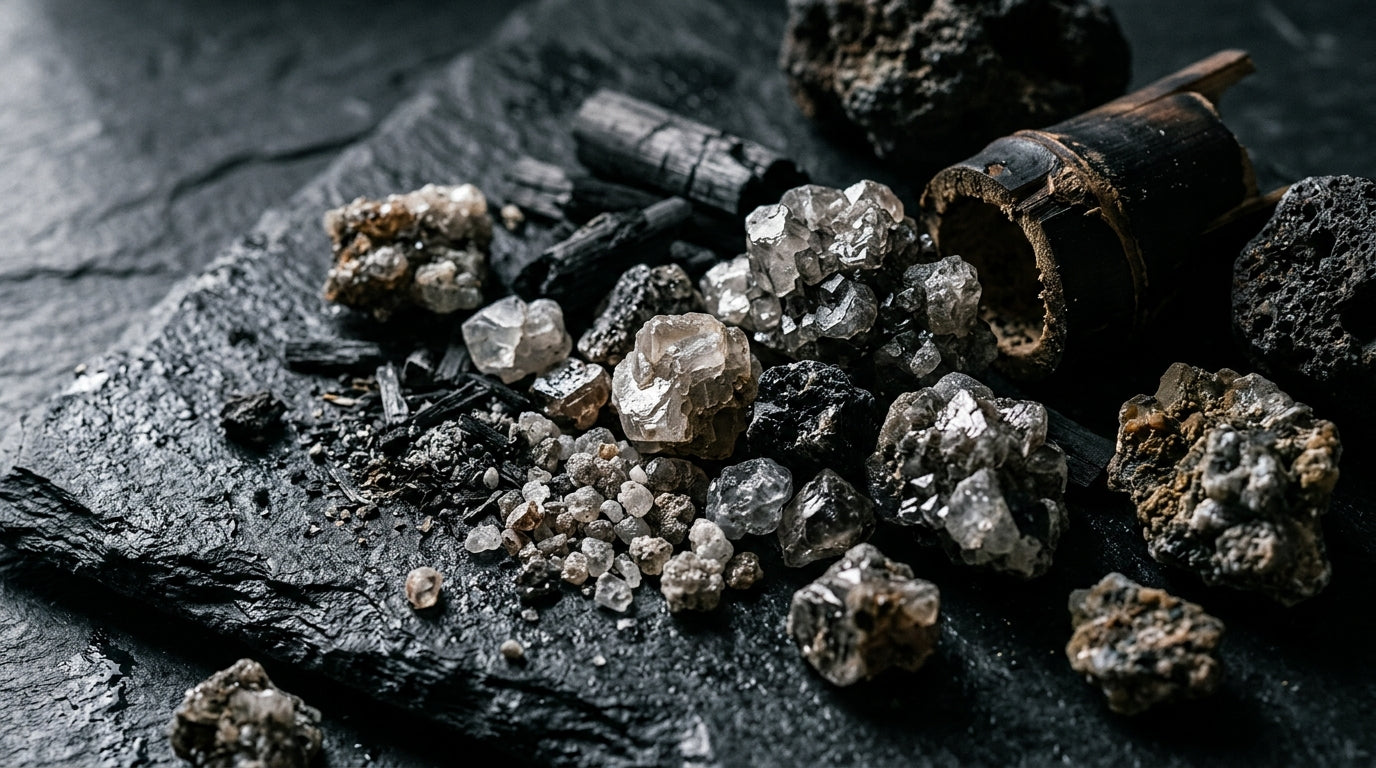
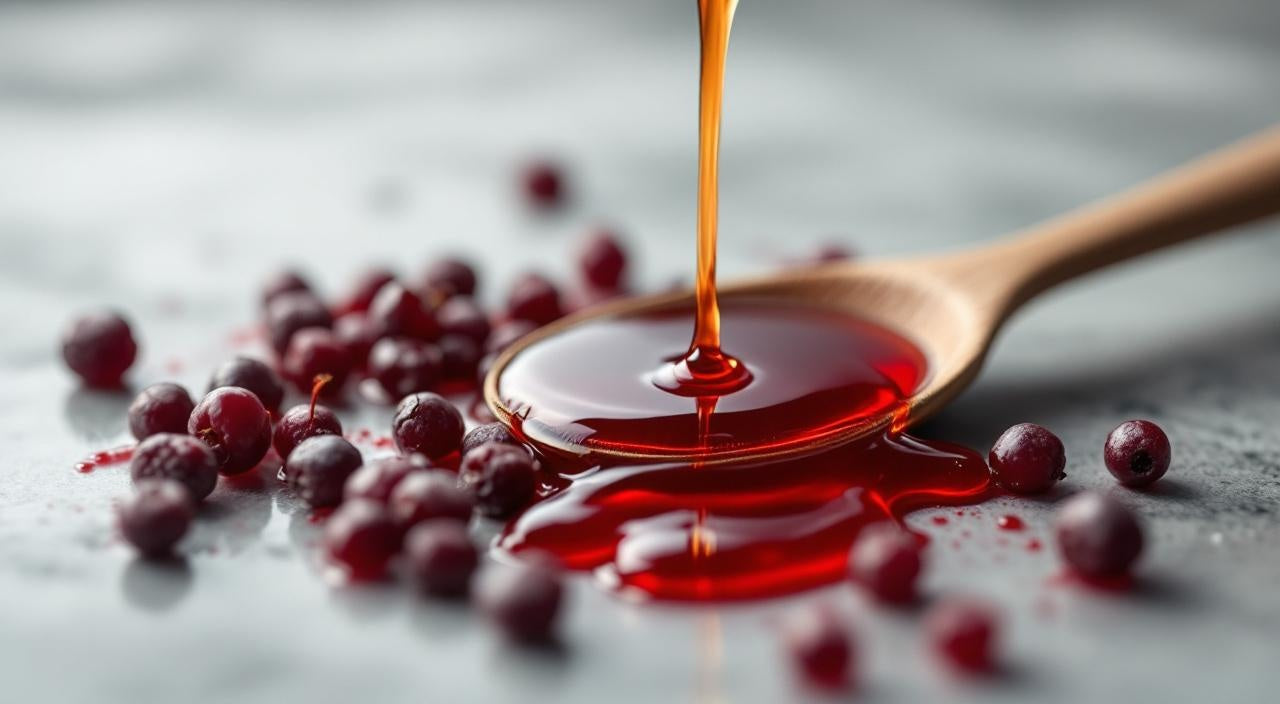
Barberry flower extract (Berberis vulgaris) contains berberine and other alkaloids that provide antimicrobial and anti-inflammatory effects through inhibition of bacterial growth and inflammatory pathways. The extract's flavonoids offer additional antioxidant protection by scavenging free radicals and reducing oxidative stress.

Origin
Native to Europe, North Africa, and parts of Asia, Barberry Flower Extract is derived from the flowers of the barberry shrub. It contains alkaloids, including berberine, which have been studied for their potential health benefits, such as antimicrobial and anti-inflammatory effects. The extract is used in traditional medicine to support digestive health and treat infections.
Potential benefits
- Alkaloids: Known for their antimicrobial and anti-inflammatory effects, particularly berberine.
- Berberine: A potent compound with immune-boosting and gut health benefits.
- Flavonoids: Provide antioxidant properties, helping to neutralize free radicals and reduce oxidative stress. Research further indicates that Barberry Flower Extract (Berberis vulgaris) may support metabolic efficiency and cellular energy production through its micronutrient and cofactor content. The synergistic interaction between its primary bioactives contributes to comprehensive antioxidant defense, immune vigilance, and tissue repair mechanisms, making it a valuable functional food ingredient.
How it works
Berberine, the primary alkaloid in barberry flower extract, inhibits bacterial DNA gyrase and topoisomerase IV, disrupting bacterial replication. It also activates AMP-activated protein kinase (AMPK) pathways, improving metabolic function and reducing inflammation through NF-κB pathway inhibition. The extract's flavonoids, including quercetin and kaempferol, neutralize reactive oxygen species and upregulate endogenous antioxidant enzymes like catalase and superoxide dismutase.
What the research says
Human studies on barberry flower extract specifically are limited, with most research focusing on berberine as an isolated compound. Small clinical trials (n=50-100) have shown berberine effective for bacterial infections and metabolic disorders, but flower extract studies are primarily in vitro and animal models. Traditional use data supports antimicrobial applications, but large-scale human trials are lacking. Current evidence suggests potential benefits but requires more robust clinical validation.
Safety and interactions
Barberry flower extract may cause gastrointestinal upset, including nausea and diarrhea, particularly at higher doses. Berberine can interact with cytochrome P450 enzymes, potentially affecting metabolism of medications like cyclosporine and metformin. The extract may lower blood sugar and blood pressure, requiring caution with diabetes and hypertension medications. Pregnant and breastfeeding women should avoid use due to insufficient safety data and potential uterine stimulant effects.
Suggested use
Recommended Dosage: Liquid: 1-2ml (20-40 drops) diluted in water or juice, 2-3 times daily. Capsule: 250-500mg of standardized extract 1-2 times daily with food. Follow manufacturer dosing recommendations.
Traditional Use & Preparation: - Barberry Flower Extract is used in herbal remedies to support digestive health, treat infections, and manage inflammation.
- It is typically consumed in tinctures or capsules for health benefits.
General Guidance: Start with a lower dose and increase gradually. Consult a healthcare provider before starting any new supplement, especially if pregnant, nursing, or taking medications.
Frequently asked questions
What is the active compound in barberry flower extract?
The primary active compound is berberine, an isoquinoline alkaloid that provides antimicrobial and anti-inflammatory effects. The extract also contains other alkaloids like berbamine and palmatine, plus flavonoids that contribute antioxidant properties.
How much barberry flower extract should I take daily?
Typical dosages range from 500-1500mg daily, standardized to contain 5-10% berberine content. Start with lower doses to assess tolerance, as higher amounts may cause digestive upset. Consult healthcare providers for personalized dosing recommendations.
Can barberry flower extract help with digestive issues?
Berberine in barberry extract demonstrates antimicrobial activity against harmful gut bacteria and may support beneficial bacteria growth. Some studies suggest it can help with bacterial overgrowth and digestive inflammation, though more human research is needed for flower extract specifically.
Does barberry flower extract interact with blood thinning medications?
Barberry extract may enhance anticoagulant effects of warfarin and other blood thinners due to berberine's influence on drug metabolism. It can inhibit CYP3A4 and CYP2D6 enzymes, potentially increasing bleeding risk when combined with anticoagulant medications.
Is barberry flower extract safe for people with diabetes?
Berberine can lower blood glucose levels and improve insulin sensitivity, which may be beneficial for diabetes management. However, it can enhance hypoglycemic effects of diabetes medications, requiring blood sugar monitoring and potential medication adjustments under medical supervision.
What is the difference between barberry flower extract and barberry root extract?
Barberry flower extract and root extract differ in their alkaloid concentrations and therapeutic applications. The flower extract tends to be gentler and is often preferred for antioxidant and flavonoid benefits, while the root extract typically contains higher berberine levels and is used for more targeted antimicrobial and metabolic support. Both are effective, but the choice depends on your specific health goals and individual tolerance.
Who should avoid taking barberry flower extract supplements?
Individuals with low blood pressure, those taking blood thinning medications, pregnant or breastfeeding women, and people with kidney disease should avoid barberry flower extract without medical supervision. Additionally, anyone allergic to plants in the Berberidaceae family or taking medications that may interact with berberine should consult a healthcare provider before supplementing.
What does research show about barberry flower extract's antioxidant effectiveness?
Clinical research indicates that the flavonoid content in barberry flower extract provides significant antioxidant activity, helping neutralize free radicals and reduce oxidative stress markers in the body. Several studies suggest these antioxidant properties may support metabolic efficiency and overall cellular health, though more human clinical trials are needed to establish optimal dosing for specific health outcomes.
References
This article is educational and is not medical advice. Statements have not been evaluated by the FDA and are not intended to diagnose, treat, cure, or prevent any disease. Consult a healthcare professional before use.