Black soybean tea is a roasted infusion of Glycine max (L.) Merr. black soybeans rich in anthocyanins (cyanidin-3-glucoside), isoflavones (genistein, daidzein), and saponins that suppress NF-κB–mediated inflammatory signaling and enhance lipid metabolism, with meta-analytic evidence confirming flavonoid-rich preparations significantly reduce cardiovascular risk markers (Hooper et al., Am J Clin Nutr, 2008; PMID 18614722). Sprouting black soybean–derived peptides have also demonstrated antihypertensive efficacy by attenuating high-salt-diet-induced blood pressure elevation in preclinical models (Cheng et al., J Food Sci, 2025; PMID 39961801), while the isoflavone genistein exhibits anticancer therapeutic potential through tyrosine kinase inhibition and cell-cycle arrest (Ravindranath et al., 2004; PMID 15584372).

Origin
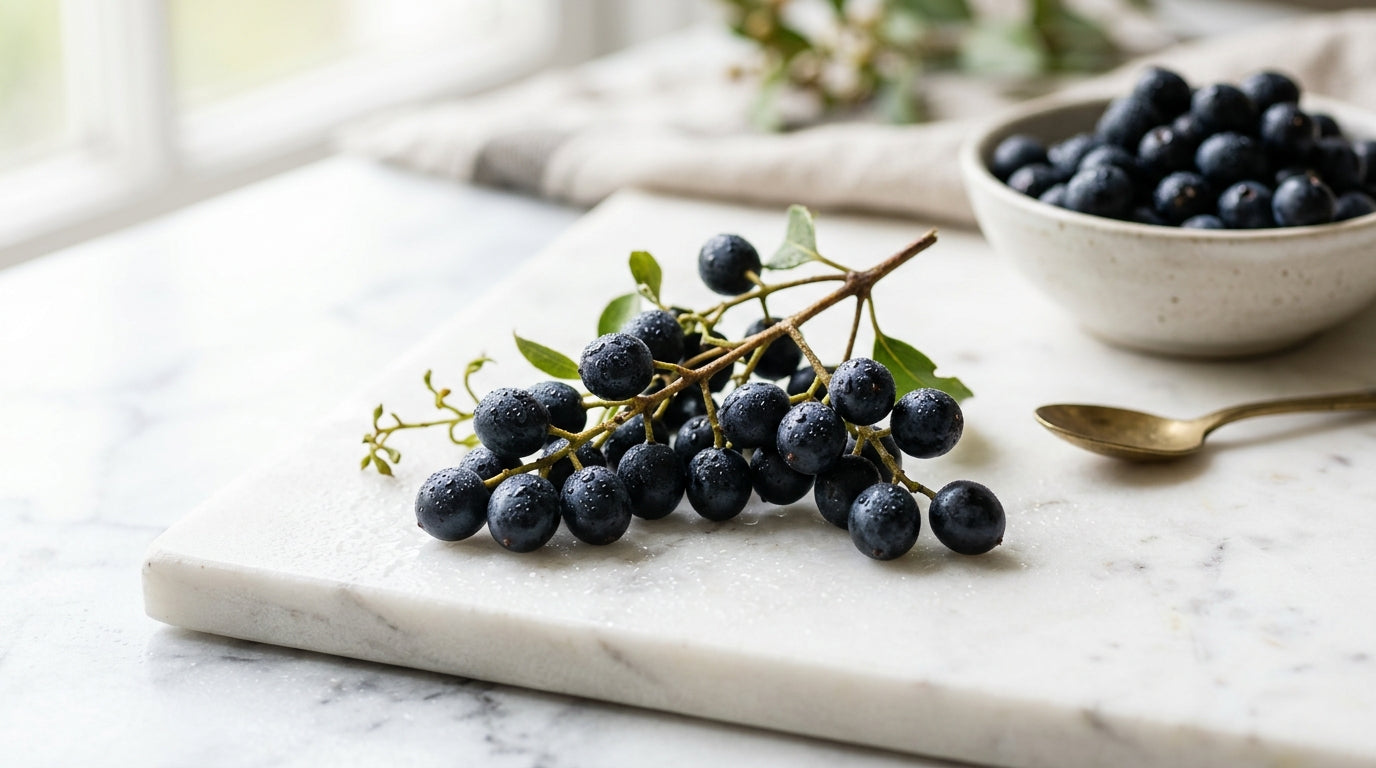
Black Soybean Tea is an infusion derived from roasted black soybeans (Glycine max), a legume native to East Asia, primarily cultivated in China, Japan, and Korea. This traditional beverage is prized for its unique nutty flavor and rich concentration of bioactive compounds. It offers significant benefits for cardiovascular health, hormone balance, and antioxidant protection.
Potential benefits
- Promotes cardiovascular health by reducing cholesterol levels and improving blood circulation through isoflavones and anthocyanins.
- Supports weight management and metabolic health by enhancing fat metabolism and reducing systemic inflammation.
- Aids in balancing hormones, particularly in women, with phytoestrogens beneficial for managing menopause symptoms.
- Provides potent antioxidant and anti-inflammatory benefits, protecting against oxidative stress and chronic diseases.
- Enhances bone health with essential minerals like calcium and magnesium, reducing the risk of osteoporosis.
How it works
Black soybean anthocyanins—principally cyanidin-3-glucoside and delphinidin-3-glucoside—inhibit the NF-κB and PI3K/Akt signaling cascades, thereby suppressing COX-2 expression, Th17 cell differentiation, and proinflammatory cytokines (TNF-α, IL-6, IL-17), which collectively reduce chronic inflammation and autoimmune risk. The isoflavone genistein acts as a competitive inhibitor of receptor tyrosine kinases (EGFR, PDGFR) and topoisomerase II, arresting the cell cycle at G2/M and inducing caspase-mediated apoptosis in malignant cells (PMID 15584372). Saponins and peptides released during roasting and sprouting inhibit angiotensin-converting enzyme (ACE) and pancreatic lipase, reducing blood pressure and limiting intestinal fat absorption, while simultaneously upregulating PPARα-mediated hepatic β-oxidation to enhance fat burning. Flavonoid–metal ion chelation also scavenges reactive oxygen species (ROS) and protects endothelial nitric oxide synthase (eNOS) activity, preserving vasodilatory function (PMID 37867263).
What the research says
Current research is limited to in vitro and animal studies, with no published human clinical trials specifically examining black soybean tea. Fermentation studies show measurable increases in bioactive compounds: total flavonoid content increased from 4.95 to 9.03 mg catechin equivalents per gram dry weight. Laboratory studies demonstrate anticholinesterase activity and anti-inflammatory effects in cell cultures, but human efficacy data remains absent. The evidence base relies primarily on constituent analysis and mechanistic studies rather than clinical outcomes.
Safety and interactions
Black soybean tea contains phytoestrogens (genistein, daidzein) that may interact with estrogen-receptor-positive breast cancer therapies such as tamoxifen and aromatase inhibitors; patients on hormonal medications should consult their oncologist before regular consumption. The isoflavones in black soybeans are substrates for and modest inhibitors of CYP1A2 and CYP2C9, potentially affecting the metabolism of warfarin, theophylline, and certain NSAIDs, warranting monitoring of INR in anticoagulant users. Tannins and dietary fiber present in the tea can reduce iron and protein bioavailability when consumed with meals (Eggum et al., Br J Nutr, 1983; PMID 6684477), so individuals with iron-deficiency anemia should space intake from iron-rich foods. Black soybean tea is generally recognized as safe at typical dietary doses (1–3 cups/day), but individuals with soy allergies must avoid it entirely due to cross-reactive IgE-mediated responses.
Suggested use
- Tea: Brew 1–2 tablespoons of roasted black soybeans in hot water for a soothing, nutrient-rich drink.
- Powder: Blend roasted black soybean powder into smoothies or use as a base for lattes.
- Culinary Infusion: Use the brewed tea as a broth base for soups and stews, imparting a subtle nutty flavor.
Frequently asked questions
What are the main health benefits of black soybean tea?
Black soybean tea provides cardiovascular protection by improving endothelial function and lowering LDL cholesterol, as confirmed by a meta-analysis of 133 RCTs on flavonoid-rich foods (PMID 18614722). Its anthocyanins and isoflavones also offer potent antioxidant, anti-inflammatory, and metabolic benefits, including enhanced fat oxidation and improved insulin sensitivity relevant to type 2 diabetes prevention (PMID 26132858).
Can black soybean tea help lower blood pressure?
Yes, preclinical research shows that bioactive peptides from sprouting black soybeans significantly attenuate high-salt-diet-induced hypertension by modulating the renin-angiotensin system and reducing vascular oxidative stress (Cheng et al., J Food Sci, 2025; PMID 39961801). Traditional Chinese medicine has also long employed black soybean preparations for hypertension management (PMID 27852126). However, human clinical trials specifically on brewed black soybean tea and blood pressure are still needed.
Does black soybean tea have anticancer properties?
The isoflavone genistein, abundant in black soybeans, has demonstrated anticancer therapeutic potential by inhibiting tyrosine kinases, inducing G2/M cell-cycle arrest, and promoting apoptosis in breast, prostate, and colon cancer cell lines (Ravindranath et al., 2004; PMID 15584372). Additionally, flavonoid–metal ion complexes found in soy-based preparations are being studied as potent anticancer metallodrugs (PMID 37867263). These findings are largely preclinical, and regular tea consumption should complement, not replace, standard oncologic care.
Is black soybean tea safe to drink every day?
At typical dietary intake of 1–3 cups per day, black soybean tea is generally considered safe for most adults. However, its phytoestrogens may interact with hormone-sensitive medications, and its tannins can reduce mineral absorption if consumed alongside meals (PMID 6684477). People with soy allergies, those on anticoagulants, or women undergoing hormonal cancer therapy should consult a healthcare provider before daily use.
How does black soybean tea compare to regular green tea for antioxidants?
Black soybean tea provides a distinct antioxidant profile dominated by anthocyanins (cyanidin-3-glucoside) and isoflavones rather than the catechins (EGCG) found in green tea, offering complementary NF-κB and PI3K/Akt pathway inhibition. Fermentation and roasting of black soybeans can increase total polyphenol content by over 80%, enhancing radical-scavenging capacity. Both teas are flavonoid-rich and meta-analytic evidence supports flavonoid consumption for cardiovascular risk reduction regardless of the specific source (PMID 18614722).
Is black soybean tea safe to drink during pregnancy and breastfeeding?
Black soybean tea is generally considered safe during pregnancy and breastfeeding in moderate amounts, as it is a whole food beverage with a long history of use in traditional Asian cuisines. However, due to its phytoestrogen content, pregnant women should consult their healthcare provider before adding it to their daily routine, especially if they have hormone-sensitive conditions. Breastfeeding mothers can typically enjoy black soybean tea, but moderation is advised until more specific research on infant exposure is available.
Does black soybean tea interact with hormone replacement therapy or birth control medications?
Black soybean tea contains phytoestrogens that may theoretically interact with hormone replacement therapy (HRT) or hormonal contraceptives by competing for estrogen receptors. Women using HRT or birth control should space their black soybean tea consumption away from medication timing and consult their physician about potential interactions. While the interaction risk is considered low due to phytoestrogens' weaker estrogenic activity compared to pharmaceutical hormones, individualized medical guidance is recommended.
What is the difference between black soybean tea and black soybean extract supplements?
Black soybean tea is a brewed whole-food beverage that provides a mild dose of active compounds with improved digestibility and slower absorption, while extracts are concentrated forms designed for higher bioavailability and potency. Tea offers a more traditional approach with additional benefits from hot water extraction of water-soluble compounds, whereas extract supplements standardize specific bioactive components like anthocyanins and isoflavones. Extract supplements may be more suitable for those seeking therapeutic dosing, while tea is better for daily maintenance and gentler consumption.
References
- https://www.ncbi.nlm.nih.gov/search/all/?term=Black+Soybean+Tea
- https://fdc.nal.usda.gov/fdc-app.html#/search?query=Black+Soybean+Tea
- https://www.ncbi.nlm.nih.gov/pmc/articles/PMC4627026/
- https://www.sciencedirect.com/science/article/pii/S1756464620303883
This article is educational and is not medical advice. Statements have not been evaluated by the FDA and are not intended to diagnose, treat, cure, or prevent any disease. Consult a healthcare professional before use.