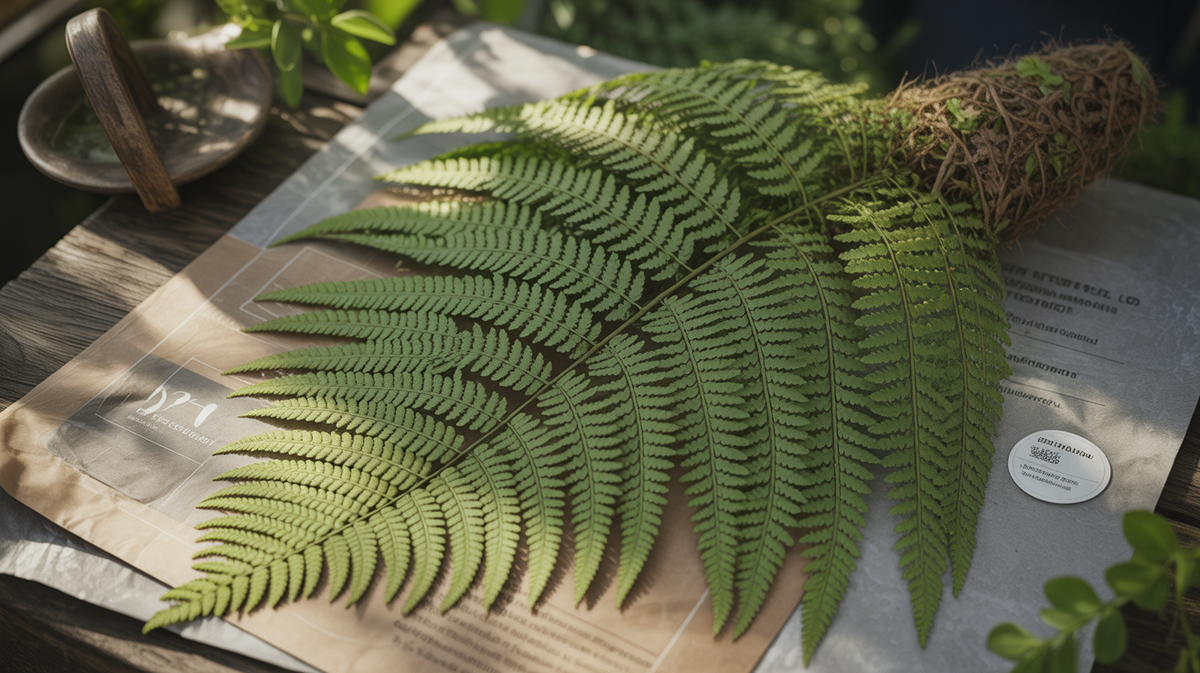
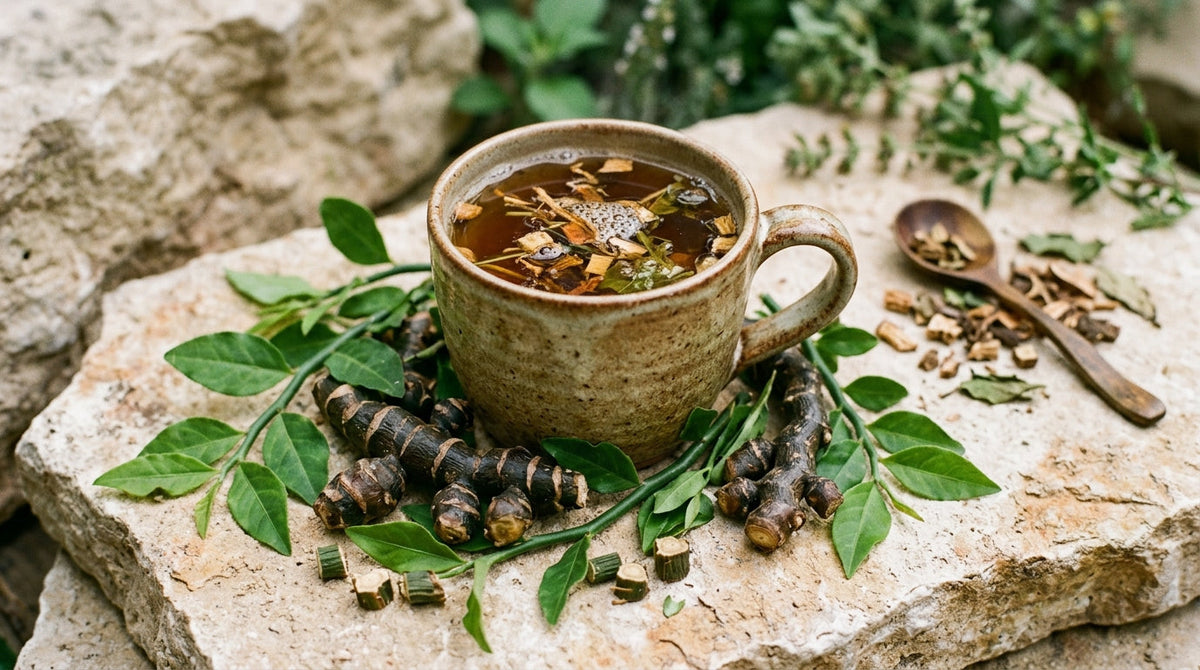
No human clinical trials have been conducted with Prosopis juliflora extracts or its isolated alkaloids as of available published literature. All outcome data originate from in vitro models, including P. falciparum growth inhibition assays, tyrosinase enzyme inhibition assays, neuronal cell apoptosis assays, and aphid mortality bioassays. Effect sizes such as the juliprosine IC50 of 150–170 ng/mL against P. falciparum and the 62.48% antityrosinase inhibition at 30 mg/mL are methodologically reproducible laboratory findings but cannot be directly extrapolated to therapeutic doses in humans without pharmacokinetic and clinical bridging data. Confidence in any clinical benefit is therefore very low, and the ingredient should be regarded as at the hypothesis-generation stage of the drug development pipeline.

Origin
Prosopis juliflora is native to Mexico, Central America, and northern South America, though it has spread aggressively as an invasive species across Africa, Asia, and the Middle East. It thrives in arid and semi-arid environments, tolerating poor, saline, and drought-stressed soils, and is commonly found in disturbed lands, roadsides, and overgrazed rangelands. Traditional cultivation is minimal due to its invasive nature, but the plant is harvested from wild populations for food, fodder, charcoal, and ethnomedicinal preparations.
Potential benefits
- Antiplasmodial Activity: The piperidine alkaloid juliprosine inhibits Plasmodium falciparum growth with IC50 values of 150 ng/mL (W2 strain) and 170 ng/mL (D6 strain) in vitro, suggesting selective antiparasitic potential distinct from broad cytotoxicity.
- Antioxidant Protection: Tannins, flavonoids, and phenolic compounds in fruit and leaf extracts neutralize free radicals by interrupting both initiation and propagation phases of lipid oxidation, with fruit extracts quantified at 1.71 ± 0.26 μg EQ/mg total flavonoids.
- Skin Depigmentation Support: Ethanol fruit extracts exhibit antityrosinase activity at 62.48 ± 2.09% inhibition at 30 mg/mL, indicating potential for reducing excess melanin synthesis relevant to hyperpigmentation conditions.
- Anti-inflammatory Effects: Traditional use of leaves and bark for inflammation is supported by the presence of polyphenols and alkaloids that modulate oxidative stress pathways; however, direct in vivo anti-inflammatory assay data remain limited.
- Insecticidal and Biopesticidal Activity: Leaf extract emulsions at 1–15% w/w concentrations produced greater than 50% mortality in aphid populations, suggesting utility in integrated pest management and potential biocontrol applications.
- Apoptosis Induction in Aberrant Cells: Juliprosopine fractions at 7.5 μg/mL reduce intracellular ATP, dissipate mitochondrial membrane potential, activate caspase-9, and upregulate LC3II while downregulating P62, indicating intrinsic apoptotic pathway engagement in cell models.
- Allelopathic and Antimicrobial Properties: Leaf extracts inhibit germination of the invasive weed Parthenium hysterophorus and have demonstrated antibacterial and antifungal effects in ethnomedicinal contexts, attributed to alkaloids, saponins, and phenolic constituents.
How it works
Juliprosine and Δ1,6-juliprosopine, macrocyclic piperidine alkaloids isolated from leaves and bark, exert antiplasmodial effects through concentration- and time-dependent cytotoxic mechanisms against intraerythrocytic Plasmodium falciparum, though precise intracellular targets within the parasite have not been fully elucidated at the molecular level. The total alkaloid fraction disrupts mitochondrial membrane potential, triggers caspase-9 activation, and promotes autophagy via LC3II upregulation and P62 degradation in neuronal and glial cell lines, implicating the intrinsic apoptotic cascade. Molecular docking analysis identified phorbol-12,13-dihexanoate—detected by GC-MS in leaf extracts—as a potential BCL2 ligand with a binding energy of -15.644 kcal/mol, suggesting a pro-apoptotic mechanism through BCL2 inhibition. Flavonoids and tannins contribute antioxidant activity through hydrogen atom transfer and single-electron transfer mechanisms, while phenolic hydroxyl groups chelate transition metals to suppress Fenton-type oxidative reactions.
What the research says
The evidence base for Prosopis juliflora is entirely preclinical, comprising in vitro cell culture assays, molecular docking simulations, and insect bioassays, with no published human clinical trials identified as of the available research. Antiplasmodial IC50 values for isolated alkaloids (150–170 ng/mL for juliprosine) were derived from standard P. falciparum cell-free assays, while bulk ethanol extracts of leaves, bark, and flowers showed weaker activity (IC50 >100 μg/mL), highlighting the importance of alkaloid isolation over crude extract use. Cytotoxicity studies using VERO cells established a preliminary safety margin for isolated alkaloids (non-toxic up to 23,800 ng/mL), yet macrophage toxicity was observed at 0.8–6.0 μg/mL, underscoring concentration-dependent dual effects. The overall evidence quality is low by clinical standards; while mechanistic findings are internally consistent and hypothesis-generating, no dose-response data in animal models or human pharmacokinetic studies have been reported, severely limiting translational confidence.
Safety and interactions
Isolated alkaloids juliprosine and Δ1,6-juliprosopine were non-cytotoxic to VERO cells up to 23,800 ng/mL; however, total alkaloid extracts induce apoptosis and autophagy in neuronal and glial cell lines at concentrations as low as 7.5–30 μg/mL, raising a credible concern for neurotoxicity that must be considered before any human supplemental use. No human safety data, maximum tolerated dose studies, pharmacokinetic profiles, or drug interaction studies have been published, making it impossible to establish a safe oral dose for human consumption. The presence of phorbol esters (e.g., phorbol-12,13-dihexanoate detected by GC-MS) is a significant safety concern, as phorbol ester compounds are established protein kinase C activators and tumor promoters at sufficient concentrations. Prosopis juliflora is not recommended for use during pregnancy or lactation, in children, or in individuals with neurological conditions, liver disease, or those taking immunosuppressants, antiparasitic, or anticoagulant medications, due to the complete absence of safety characterization in these populations.
Suggested use
- Ethanol/Water Crude Extract (Research Use): Concentrations of 3.125–100 μg/mL used in in vitro assays; no established human dose.
- Methanol Extract for Alkaloid Isolation: Used in laboratory settings for isolation of juliprosine and juliprosopine; not a consumer preparation form.
- Insecticidal Emulsion: 1–15% w/w leaf extract in DMSO-water; applied topically to plant surfaces for aphid control; not for human consumption.
- Traditional Aqueous Decoction: Leaves, bark, or seeds boiled in water for topical or oral anti-inflammatory use in ethnomedicinal practice; no standardized dose or concentration documented.
- Standardization: No commercial standardization for alkaloid content, flavonoid percentage, or phenolic content has been established for any consumer product.
- Timing and Route: All efficacious data are from in vitro or topical insecticidal applications; oral bioavailability and appropriate human dosing intervals are entirely unknown.
Frequently asked questions
What are the main bioactive compounds in Prosopis juliflora?
The primary bioactive compounds are piperidine alkaloids, specifically juliprosine and juliprosopine, isolated from leaves and bark. Additionally, the plant contains flavonoids, tannins, phenolic acids, saponins, and GC-MS-identified lipophilic compounds including phorbol-12,13-dihexanoate and methyl oleate, with flavonoid concentrations quantified at approximately 1.71 μg EQ/mg in fruit extracts.
Has Prosopis juliflora been tested in human clinical trials?
No human clinical trials have been published for Prosopis juliflora or its isolated compounds. All available evidence comes from in vitro cell culture assays, molecular docking studies, and insect bioassays, meaning no therapeutic dose, safety profile, or clinical efficacy can be confirmed for human use.
Is Prosopis juliflora safe to consume or use as a supplement?
The safety of Prosopis juliflora for human supplementation has not been established. While isolated alkaloids showed low toxicity in VERO cell assays up to 23,800 ng/mL, the total alkaloid extract induced neurotoxic effects in glial and neuronal cells at just 7.5–30 μg/mL, and the presence of phorbol esters raises additional oncological safety concerns. It is not recommended as a supplement without further clinical safety evaluation.
What is the antiplasmodial activity of Prosopis juliflora?
Juliprosine, a macrocyclic piperidine alkaloid from Prosopis juliflora, inhibits Plasmodium falciparum in vitro with IC50 values of 170 ng/mL against the D6 strain and 150 ng/mL against the W2 strain. Δ1,6-juliprosopine showed weaker activity with IC50 values of 560–600 ng/mL, while crude ethanol extracts of leaves, bark, and flowers showed much weaker effects with IC50 values exceeding 100 μg/mL.
What traditional uses does Prosopis juliflora have?
Traditional communities across Africa, South Asia, and South America have used Prosopis juliflora leaves and bark in decoctions for wound healing, eye infections, toothache relief, and anti-inflammatory purposes. The pods and seeds are also consumed as food—ground into flour or fermented into beverages—particularly in arid regions where the plant is abundant, though these uses vary considerably by region and have not been validated through clinical research.
What forms of Mesquite (Prosopis juliflora) are available as supplements?
Mesquite is commonly available as a powder made from the ground pods, as well as in capsule and extract forms. The pod-based preparations tend to be more standardized and widely available than leaf extracts, though both forms contain bioactive compounds. Powder forms allow for flexible dosing and can be mixed into beverages or food, while capsules offer convenience for consistent intake.
References
- https://pubmed.ncbi.nlm.nih.gov/?term=mesquite+prosopis+juliflora
- https://pubmed.ncbi.nlm.nih.gov/39470114
This article is educational and is not medical advice. Statements have not been evaluated by the FDA and are not intended to diagnose, treat, cure, or prevent any disease. Consult a healthcare professional before use.