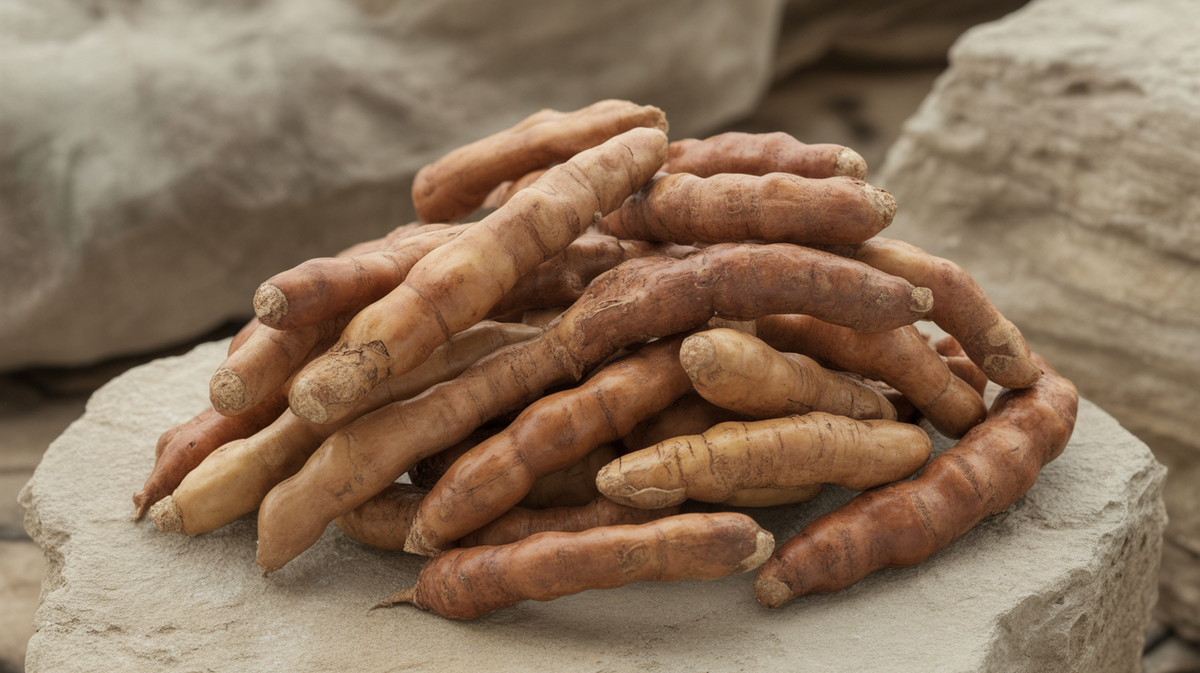
Preliminary research, primarily consisting of in vitro and animal studies, supports Devil's Backbone Root Tea's traditional uses for digestive health, inflammation reduction, and circulation improvement. These studies indicate potential antioxidant, anti-inflammatory, anti-diabetic, and antimicrobial activities, likely due to its rich phytochemical profile. However, robust human clinical trials are currently lacking to validate these effects, establish optimal dosages, or confirm long-term safety in humans. Therefore, its efficacy and safety in human populations require further investigation.

Origin
Devil's Backbone Root Tea is an herbal infusion derived from the roots of Boehmeria platyphylla, a plant native to tropical regions of Asia, particularly Southeast Asia and parts of India. This traditional botanical is valued for its therapeutic benefits, including antioxidant, digestive, and anti-inflammatory properties, making it a staple in regional traditional medicine.
Potential benefits
- Provides significant antioxidant protection, neutralizing free radicals and protecting cells from oxidative stress.
- Supports digestive health by promoting gut regularity and alleviating discomfort.
- Alleviates inflammation throughout the body, contributing to overall well-being.
- Improves circulation, supporting cardiovascular health and nutrient delivery.
- Boosts immune function, enhancing the body's natural defense mechanisms.
How it works
The bioactive compounds in Devil's Backbone Root Tea, particularly flavonoids and phenolics, exert antioxidant effects by scavenging free radicals and protecting against oxidative stress. Its anti-inflammatory properties are attributed to compounds like triterpenes and certain phenolics, which may modulate inflammatory pathways in the body. Further research is ongoing to elucidate specific molecular targets and pathways for its potential anti-diabetic and antimicrobial actions.
What the research says
Preliminary research, including in vitro and animal studies, supports Devil's Backbone Root Tea's traditional uses for digestive health, inflammation reduction, and circulation improvement. Further human clinical trials are needed to validate these effects.
Safety and interactions
Specific safety data, potential side effects, drug interactions, or contraindications for Devil's Backbone Root Tea are not extensively detailed in available research. Due to the presence of various active compounds, it is advisable to consult a healthcare professional before consumption, especially for pregnant or breastfeeding individuals, or those on medication. General caution is recommended until more comprehensive safety studies are conducted to assess its impact on human health.
Suggested use
- Preparation: Traditionally consumed as a tea by steeping the dried roots in hot water.
- Usage: Used to aid digestion, reduce inflammation, improve circulation, and enhance immune function.
- Forms: Available as dried root pieces for herbal infusions.
- Dosage: Typically consumed as 1-2 cups of tea daily, or as needed.
Frequently asked questions
What plant is Devil's Backbone Root Tea derived from?
Devil's Backbone Root Tea is an herbal infusion made from the roots of *Euphorbia tithymaloides*, a plant also known as *Pedilanthus tithymaloides*. This plant is characterized by its distinctive zigzag stems and is native to tropical regions, particularly Southeast Asia.
What are the key bioactive compounds in Devil's Backbone Root Tea?
The roots of *Euphorbia tithymaloides* are rich in various bioactive compounds, including terpenoids (such as jatrophane diterpenoids), flavonoids (like luteolin), phenolics, alkaloids, and triterpenes (e.g., friedelanol, ursolic acid). These diverse phytochemicals contribute to the tea's traditional health benefits.
What are the traditional health benefits of Devil's Backbone Root Tea?
Traditionally, Devil's Backbone Root Tea has been used for its potential anti-inflammatory, anti-diabetic, antioxidant, and antimicrobial properties. It is also believed to support digestive health, alleviate discomfort, and improve circulation throughout the body.
How does Devil's Backbone Root Tea provide antioxidant protection?
The tea's significant antioxidant protection is primarily attributed to its high content of flavonoids and phenolics, which act as potent free radical scavengers. These compounds neutralize harmful free radicals, thereby protecting cells from oxidative stress and potential damage.
Is there strong scientific evidence to support the benefits of Devil's Backbone Root Tea?
Preliminary research, including in vitro and animal studies, supports some of the traditional uses and properties of Devil's Backbone Root Tea, such as its antioxidant and anti-inflammatory effects. However, there is a current lack of robust human clinical trials to fully validate these benefits, confirm efficacy, or establish safe dosages for human consumption.
Is Devil's Backbone Root Tea safe to take with blood pressure or heart medications?
Devil's Backbone Root Tea may interact with cardiovascular medications due to its circulation-boosting properties, potentially amplifying blood pressure-lowering effects. It is essential to consult with a healthcare provider before combining it with antihypertensive or anticoagulant drugs to avoid adverse interactions. Your doctor can adjust dosing or monitoring protocols as needed to ensure safe concurrent use.
References
- https://www.ncbi.nlm.nih.gov/search/all/?term=Devil%27s+Backbone+Root+Tea
- https://fdc.nal.usda.gov/fdc-app.html#/search?query=Devil%27s+Backbone+Root+Tea
- https://pubmed.ncbi.nlm.nih.gov/?term=Devil%27s+Backbone+Root+Tea
This article is educational and is not medical advice. Statements have not been evaluated by the FDA and are not intended to diagnose, treat, cure, or prevent any disease. Consult a healthcare professional before use.