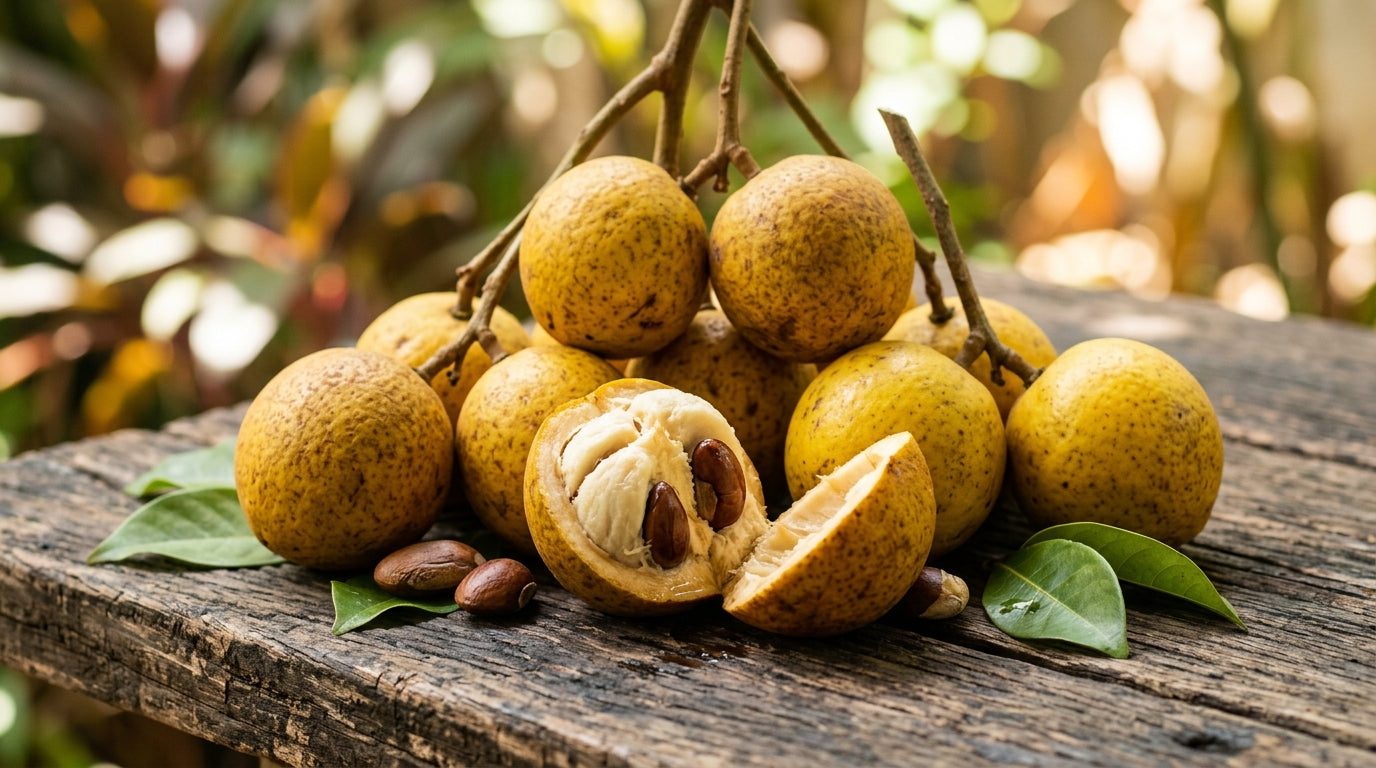
Bakupari fruit (Garcinia brasiliensis) contains potent polyprenylated benzophenones like 7-epiclusianone and xanthones that demonstrate antioxidant activity at 2449 µmol TE/100g via ABTS assays. These bioactive compounds exhibit hepatoprotective effects by reducing lipogenesis and supporting metabolic homeostasis through modulation of intestinal microbiota.

Origin
Bakupari Fruit (Salacia elliptica) is a tropical fruit native to the Amazon and Atlantic Forest biomes of Brazil, Colombia, and Peru. Revered for its rich phytochemical profile, it is a significant contributor to functional nutrition, particularly for metabolic and detoxification support.
Potential benefits
- Improves liver detoxification pathways through its xanthone and flavonoid content.
- Promotes metabolic balance by supporting healthy glucose and lipid metabolism.
- Reduces systemic inflammation via potent antioxidant and anti-inflammatory compounds.
- Enhances immune function by providing essential vitamins and bioactive phytochemicals.
- Supports digestive health through its dietary fiber and gut-modulating compounds.
- Boosts skin and cellular regeneration by protecting against oxidative damage.
How it works
Bakupari's polyprenylated benzophenones and xanthones exert antioxidant effects through free radical scavenging pathways, demonstrating DPPH activity at EC50 values of 56.91-84.00 µg/mL. The compound 7-epiclusianone specifically induces G1/S cell cycle arrest in A549 cells, while phenolic compounds like epicatechin (3907 µg/100g) and gallic acid (672 µg/100g) modulate inflammatory pathways and support hepatic detoxification processes.
What the research says
Current evidence for bakupari is limited to preclinical studies with no published human clinical trials available. In vitro studies demonstrate significant antioxidant capacity with total phenolics ranging from 108-407 mg GAE/100g across different extracts. Animal studies using ethanolic bark extract showed reduced obesity and NAFLD markers in high-fat diet rats, though specific quantified outcomes were not reported. The evidence strength remains preliminary and requires human clinical validation.
Safety and interactions
No specific safety concerns, drug interactions, or contraindications have been identified in available research on bakupari fruit. One study noted potential antinutritional compounds but provided no quantification of these substances. The fruit is generally positioned as safe for use in functional foods based on its bioactivity profile suggesting low toxicity. However, comprehensive safety data from human studies is lacking, and pregnant or nursing women should exercise caution due to insufficient safety data.
Suggested use
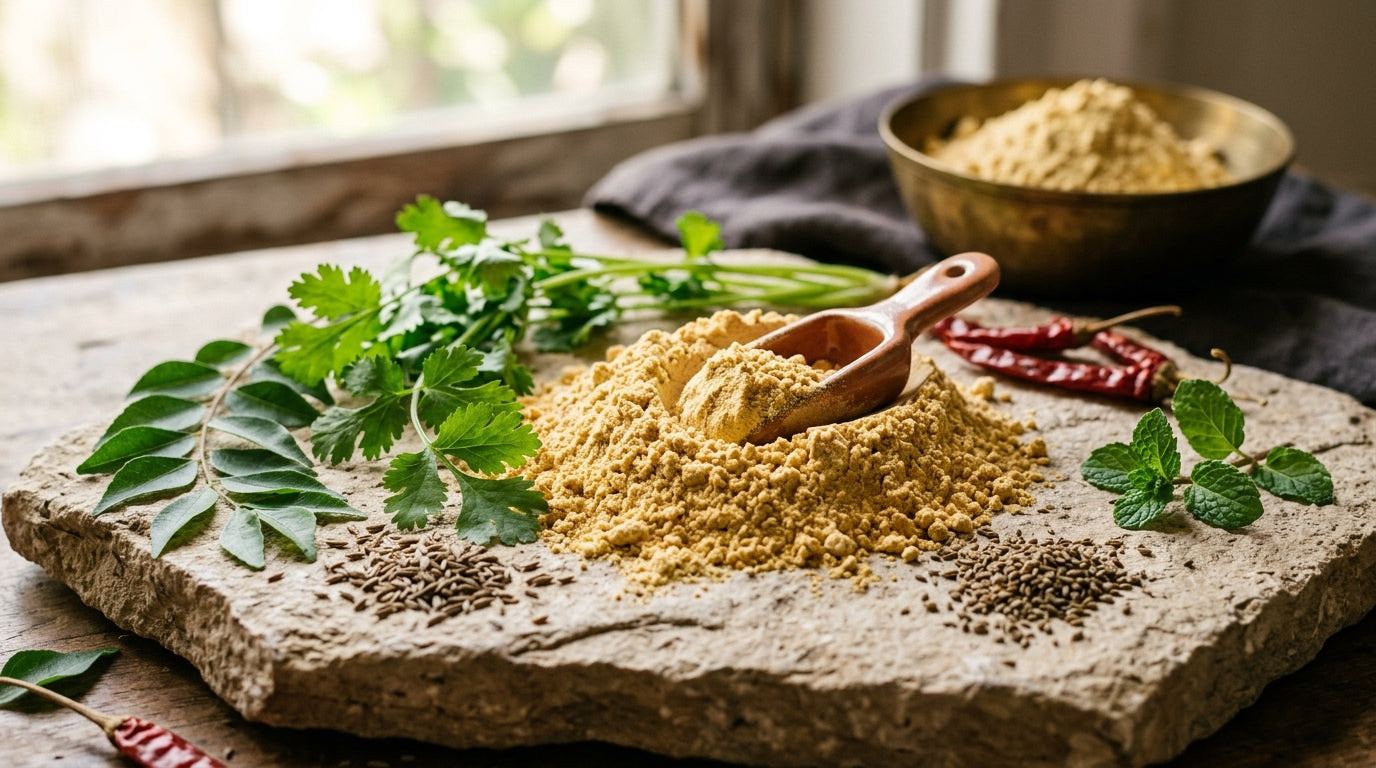
- Forms: Traditionally consumed fresh or as medicinal tonics; seeds are dried and powdered. Modern applications include extracts for beverages, supplements, and skincare.
- Dosage: Consume 1–2 servings of fresh fruit daily, or 500–1000 mg of powdered extract, for metabolic and detoxification support.
Frequently asked questions
What are the main bioactive compounds in bakupari fruit?
Bakupari contains polyprenylated benzophenones like 7-epiclusianone, xanthones, biflavonoids, and high levels of epicatechin (3907 µg/100g) and gallic acid (672 µg/100g). These compounds contribute to its antioxidant activity of 2449 µmol TE/100g in pulp powder.
How strong is the antioxidant activity of bakupari fruit?
Bakupari demonstrates potent antioxidant activity with ABTS values of 2449 µmol TE/100g and DPPH EC50 values ranging from 56.91-84.00 µg/mL. Total phenolic content varies from 108-407 mg GAE/100g depending on the extraction method used.
Are there any clinical trials on bakupari fruit benefits?
No human clinical trials have been published on bakupari fruit to date. Current evidence is limited to in vitro studies and animal models showing anti-obesity and liver protective effects in high-fat diet rats.
Is bakupari fruit safe to consume?
Bakupari appears safe for consumption as a functional food with no reported safety concerns or drug interactions in available studies. However, comprehensive human safety data is lacking, and some studies note potential antinutritional compounds that remain unquantified.
What is the difference between Garcinia brasiliensis and Salacia elliptica?
These are two different botanical species often confused in bakupari research. Garcinia brasiliensis (Clusiaceae family) is the true bakupari fruit native to Brazil, while Salacia elliptica belongs to a different plant family and geographic region.
Does bakupari fruit interact with blood sugar medications or cholesterol-lowering drugs?
Bakupari fruit may potentiate the effects of antidiabetic and lipid-lowering medications due to its ability to support glucose and lipid metabolism, potentially requiring dosage adjustments. Individuals taking metformin, insulin, statins, or fibrates should consult their healthcare provider before supplementing with bakupari fruit to avoid hypoglycemic or excessive lipid-lowering effects. Close monitoring of blood glucose and lipid levels is recommended when combining bakupari fruit with these medications.
What is the recommended daily dosage of bakupari fruit extract, and when should I take it?
Typical bakupari fruit extract dosages range from 500–1,500 mg daily, though optimal doses depend on the concentration of xanthones and flavonoids in the specific product. Taking bakupari fruit with meals may enhance absorption of its fat-soluble bioactive compounds and reduce potential gastrointestinal sensitivity. Consistency in timing (morning or evening) supports steady delivery of its liver and metabolic support benefits, though individual protocols should be established with a qualified practitioner.
Who benefits most from bakupari fruit supplementation, and should anyone avoid it?
Individuals with metabolic dysfunction, elevated inflammation markers, sluggish liver function, or glucose dysregulation may benefit most from bakupari fruit's multifaceted support. Pregnant and nursing women should avoid bakupari fruit supplementation due to limited safety data in these populations, and those with xanthone sensitivity or allergies to Garciniaceae family plants should exercise caution. People taking anticoagulants or with bleeding disorders should consult a healthcare provider, as bakupari's bioactive compounds may have mild antiplatelet properties.
References
- https://www.ncbi.nlm.nih.gov/search/all/?term=Bakupari+Fruit
- https://fdc.nal.usda.gov/fdc-app.html#/search?query=Bakupari+Fruit
- https://pubmed.ncbi.nlm.nih.gov/33148722
- https://www.sciencedirect.com/science/article/pii/S1756464620307853
- https://www.ncbi.nlm.nih.gov/pmc/articles/PMC7391264/
This article is educational and is not medical advice. Statements have not been evaluated by the FDA and are not intended to diagnose, treat, cure, or prevent any disease. Consult a healthcare professional before use.