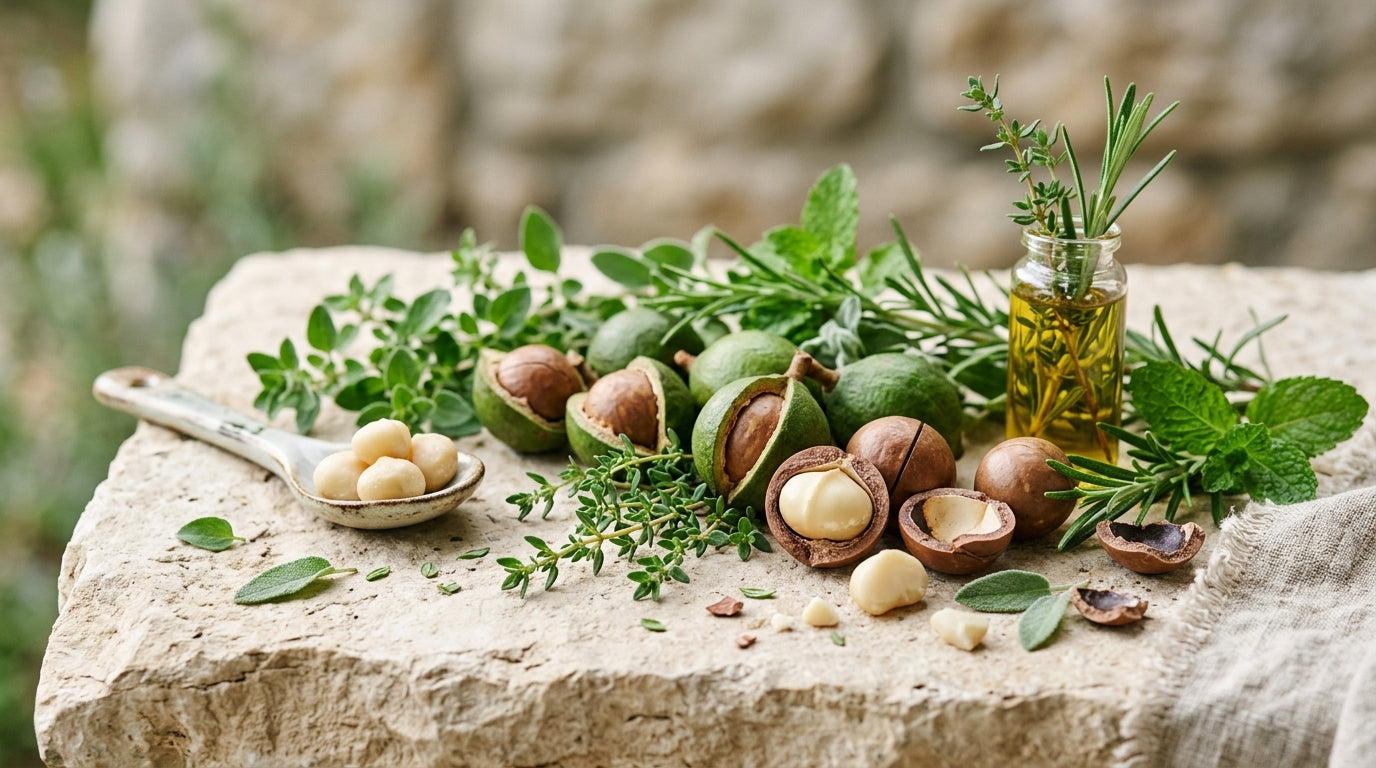
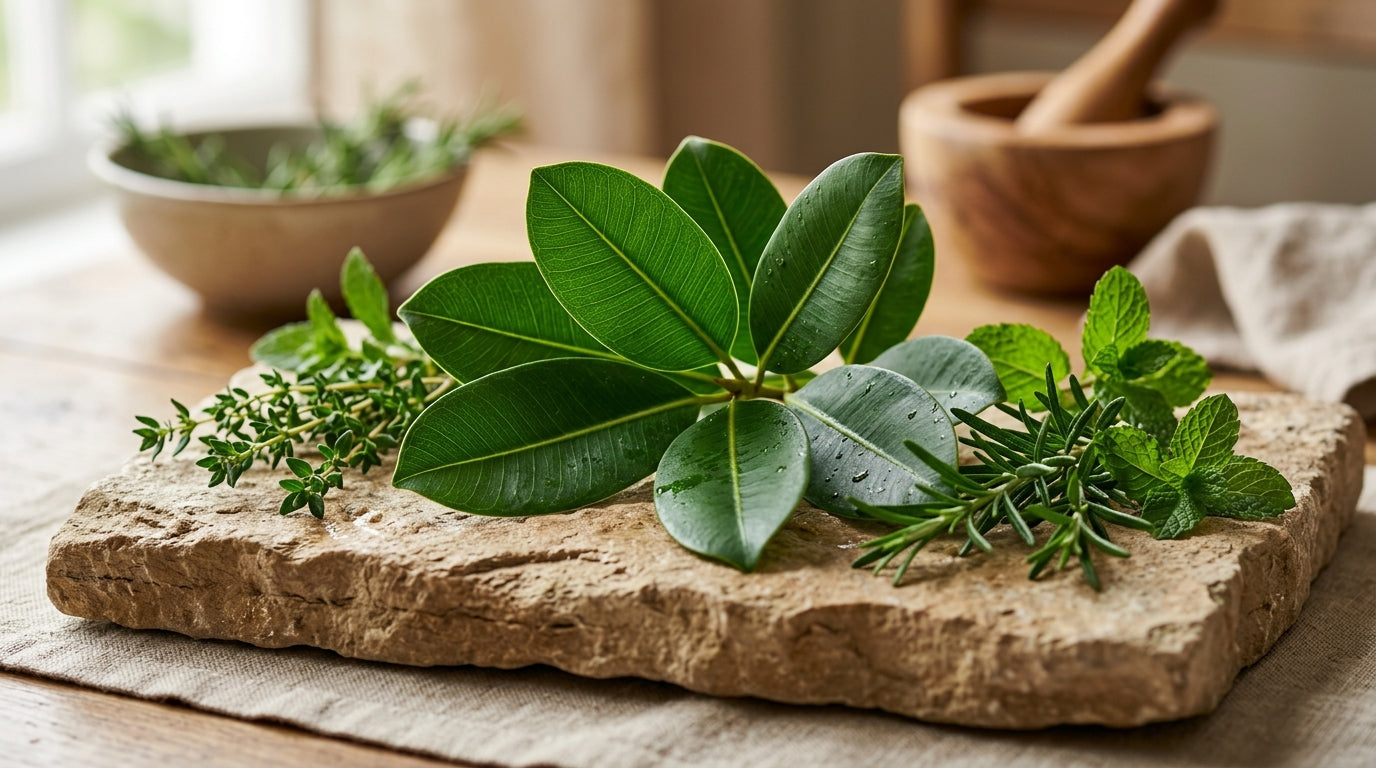
Manuka leaf (Leptospermum scoparium) is rich in β-triketones (leptospermone, isoleptospermone, flavesone), β-caryophyllene, and flavonoids that exert broad-spectrum antimicrobial, anti-inflammatory, and antioxidant activity by disrupting microbial cell membranes and modulating CB2 receptor and NF-κB signaling pathways. A 2025 comprehensive review in Chemical Biodiversity (PMID 39599991) confirmed that Leptospermum bioactive compounds demonstrate significant antibacterial, antifungal, and immunomodulatory properties, while separate research (PMID 27676607) identified unique bacterial endophyte communities within mānuka that themselves possess bioactive antimicrobial traits.

Origin
Manuka (Leptospermum scoparium) is a resilient shrub native to New Zealand and southeastern Australia, flourishing in diverse environments from coastal to alpine. While best known for its honey, Manuka leaves possess significant medicinal value rooted in Māori tradition. Thriving in nutrient-poor soils, the plant develops a potent phytochemical profile that contributes to its therapeutic properties.
Potential benefits
- Demonstrates potent antimicrobial action due to compounds like leptospermone, supporting wound care and infection control.
- Promotes skin healing in conditions such as acne, eczema, and minor wounds via topical or internal use.
- Traditionally used as a digestive aid to reduce bloating, soothe indigestion, and support gut flora balance.
- Enhances immune function through antioxidant-rich polyphenols and flavonoids, helping the body resist infections.
- Possesses anti-inflammatory effects that support musculoskeletal comfort and alleviate symptoms of inflammatory skin conditions.
How it works
The β-triketones leptospermone, isoleptospermone, and flavesone intercalate into bacterial and fungal phospholipid bilayers, causing membrane depolarization, loss of cellular integrity, and osmotic lysis—a mechanism confirmed effective against Gram-positive pathogens including MRSA at concentrations of 1.5–3% (PMID 39599991). β-Caryophyllene, a sesquiterpene abundant in mānuka leaf, acts as a selective full agonist of CB2 cannabinoid receptors on immune cells, suppressing pro-inflammatory cytokine release (TNF-α, IL-6) and downregulating the NF-κB transcription factor pathway without psychoactive CB1 activation. Flavonoids such as quercetin and myricetin further inhibit cyclooxygenase-2 (COX-2) and lipoxygenase (LOX) enzymatic cascades, reducing prostaglandin E2 and leukotriene B4 synthesis to attenuate tissue inflammation. Gallic acid and other phenolic acids contribute to antioxidant capacity by scavenging reactive oxygen species (ROS) and chelating transition metal ions, protecting cellular lipids and DNA from oxidative damage.
What the research says
Clinical evidence for manuka leaf remains limited to preclinical studies and in vitro research, with no large randomized controlled trials identified. Rat model studies showed dose-dependent antioxidant effects at 2g/kg body weight daily, with significant increases in total antioxidant capacity and reduced oxidative stress markers. In vitro studies demonstrate antimicrobial activity against MRSA at 1.5-3% oil concentrations and milder effects against E. coli at 6% concentrations. UVB inflammation models showed reduced IL-1β, TNF-α production, and macrophage infiltration, though human clinical trials are lacking.
Safety and interactions
Manuka leaf preparations are generally well tolerated when consumed as tea or applied topically at standard concentrations (1–5%), though undiluted essential oil may cause contact dermatitis or irritant reactions in sensitive individuals and should be patch-tested before broad application. Due to the presence of bioactive terpenoids and flavonoids that may modulate CYP3A4 and CYP1A2 hepatic enzyme activity, concurrent use with medications metabolized by these pathways (e.g., certain statins, anticoagulants, immunosuppressants) should be approached with caution and medical consultation. Pregnant or breastfeeding individuals should avoid concentrated mānuka essential oil products due to insufficient safety data in these populations. Individuals with known allergies to Myrtaceae family plants (eucalyptus, tea tree) should exercise caution, as cross-reactivity has been reported.
Suggested use
- Traditional: Māori healers brewed leaves into teas or infusions for fevers, digestive issues, wounds, and respiratory ailments; boiled extracts were applied topically for skin infections.
- Modern: Found in herbal teas, skin serums, essential oils, and oral health products.
- Dosage: Consume 1–2 cups of Manuka leaf tea daily or use as directed in topical formulations.
Frequently asked questions
What are the main health benefits of manuka leaf?
Manuka leaf benefits include potent antimicrobial activity against bacteria (including MRSA) and fungi, anti-inflammatory effects mediated through CB2 receptor and NF-κB pathway modulation, antioxidant protection from polyphenols, and traditional use as a digestive aid. A 2025 review in Chemical Biodiversity (PMID 39599991) confirmed that Leptospermum bioactive compounds support wound healing, immune function, and skin health.
How is manuka leaf different from manuka honey?
Manuka leaf contains high concentrations of β-triketones (leptospermone, flavesone), β-caryophyllene, and essential oil terpenoids responsible for its antimicrobial and anti-inflammatory properties, while manuka honey's primary bioactive compound is methylglyoxal (MGO) produced during nectar conversion. Both derive from Leptospermum scoparium but offer distinct phytochemical profiles; the leaf's essential oil has demonstrated direct antifungal activity against clinical Malassezia isolates (PMID 31775141), whereas honey is more commonly used for wound dressings.
Can manuka leaf help with skin conditions like acne and eczema?
Yes, manuka leaf extracts and essential oil have demonstrated antimicrobial efficacy against skin-associated pathogens and anti-inflammatory effects that benefit acne, eczema, and minor wound healing. The β-triketones disrupt bacterial cell membranes while β-caryophyllene reduces inflammatory cytokines via CB2 receptor activation, addressing both the microbial and inflammatory components of these conditions. Topical formulations at 1.5–3% concentration are commonly used in clinical and traditional practice.
Is manuka leaf tea safe to drink daily?
Manuka leaf tea has a long history of traditional use by Māori people in New Zealand and is generally considered safe for daily consumption. It delivers beneficial polyphenols, flavonoids, and trace terpenoids that support digestive comfort, immune function, and antioxidant defense. However, individuals on prescription medications metabolized by CYP3A4 or CYP1A2 enzymes should consult a healthcare provider, as bioactive compounds may influence drug metabolism.
What compounds make manuka leaf antimicrobial?
The primary antimicrobial compounds in manuka leaf are β-triketones—leptospermone, isoleptospermone, and flavesone—which disrupt microbial cell membranes causing lysis, along with terpinen-4-ol and other monoterpenoids. Research by Wicaksono et al. (PMID 27676607) also revealed that endophytic bacteria within mānuka tissue possess their own bioactive antimicrobial properties, suggesting a synergistic plant-microbiome defense system. These compounds collectively provide broad-spectrum activity against Gram-positive and Gram-negative bacteria as well as fungi like Malassezia species (PMID 31775141).
Is manuka leaf safe to use during pregnancy and breastfeeding?
While manuka leaf has a long history of traditional use, pregnant and breastfeeding women should consult their healthcare provider before consuming it, as safety data specific to these populations is limited. The antimicrobial compounds in manuka leaf, while generally recognized as safe in culinary amounts, warrant caution during sensitive periods. Most practitioners recommend waiting until after breastfeeding is complete before using manuka leaf supplements in concentrated forms.
Can manuka leaf interact with antibiotics or immune-suppressing medications?
Manuka leaf's potent antimicrobial properties could theoretically interfere with certain antibiotic treatments or interact with immune-suppressing medications used after organ transplants. If you are taking prescribed antibiotics or immunosuppressants, inform your healthcare provider before adding manuka leaf supplements to avoid potential conflicts. The antimicrobial compounds like leptospermone may enhance or compete with medication efficacy depending on the specific drug.
What is the most effective form of manuka leaf—tea, extract, or powder?
Manuka leaf tea provides good bioavailability for digestive and immune support, while standardized extracts deliver higher concentrations of bioactive compounds like leptospermone for targeted antimicrobial action. Powdered forms offer versatility for both beverages and topical wound applications, though extracts are generally more potent per serving. The most effective form depends on your specific health goal: tea for daily digestive support, extract for concentrated antimicrobial benefits, or powder for topical skin applications.
References
- https://www.ncbi.nlm.nih.gov/search/all/?term=Manuka+Leaf
- https://fdc.nal.usda.gov/fdc-app.html#/search?query=Manuka+Leaf
- https://doi.org/10.1016/j.jff.2018.12.015
- https://www.ncbi.nlm.nih.gov/pmc/articles/PMC7397196/
This article is educational and is not medical advice. Statements have not been evaluated by the FDA and are not intended to diagnose, treat, cure, or prevent any disease. Consult a healthcare professional before use.