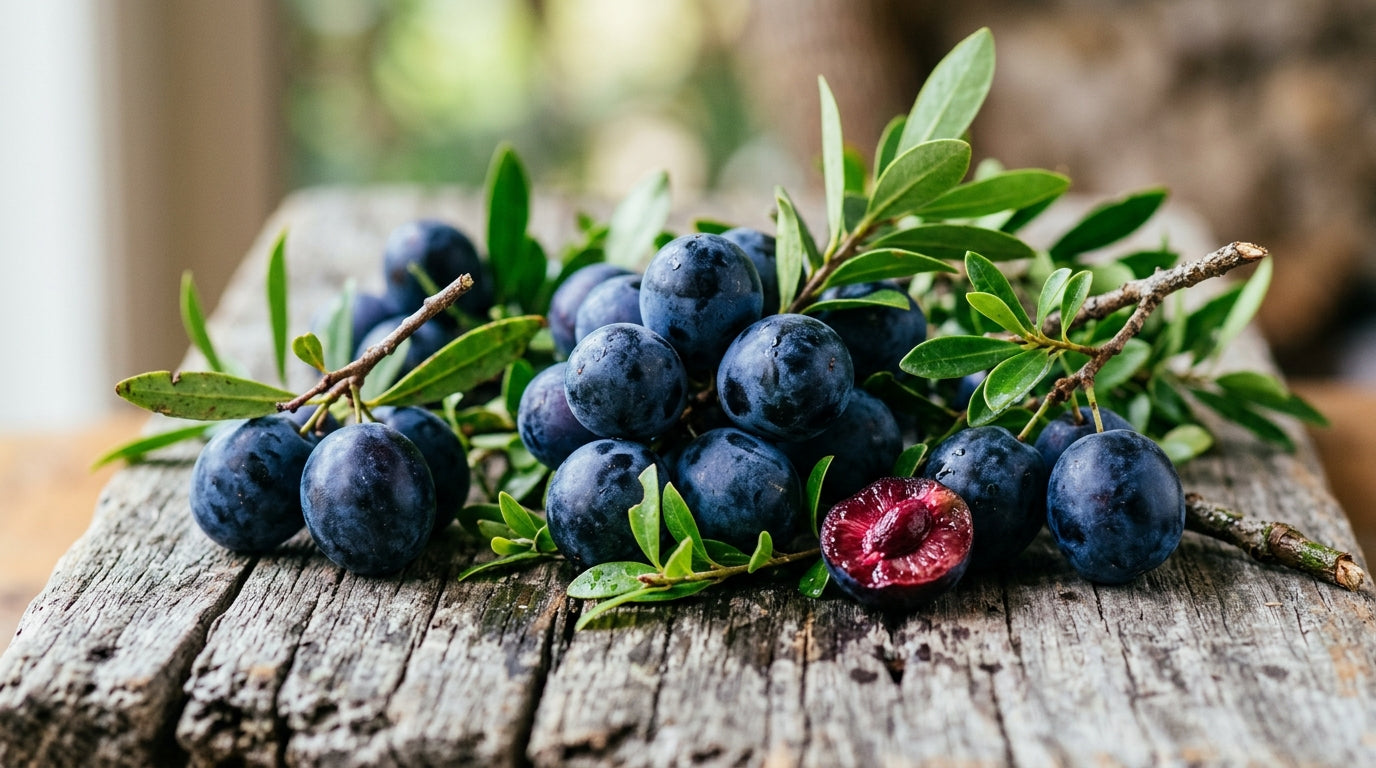
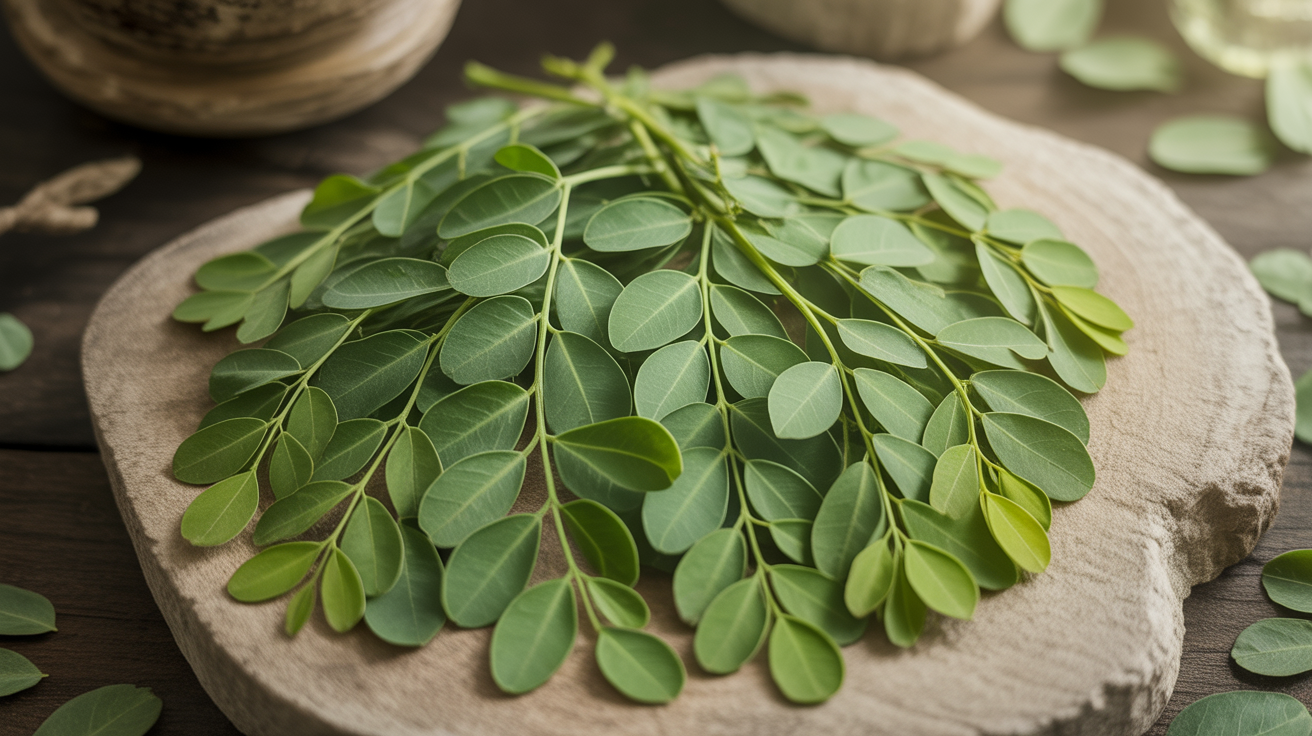
Indian gooseberry leaf contains high concentrations of tannins, flavonoids, and vitamin C that support liver detoxification and blood sugar regulation. The leaf's gallic acid and ellagic acid compounds work through antioxidant pathways to protect cellular function and modulate immune responses.

Origin
Tropical and subtropical regions of the Indian subcontinent Indian Gooseberry Leaf is harvested from plants found in regions spanning tropical rainforests to mountainous highlands. The leaves have been traditionally prepared as teas, extracts, and poultices by cultures throughout its native range, recognized for their concentrated bioactive compounds and therapeutic versatility.
Potential benefits
Purifies the blood, supports liver detoxification, modulates immunity, improves digestion, balances blood sugar, enhances skin clarity, and calms the nervous system Research further indicates that Indian Gooseberry Leaf may support metabolic efficiency and cellular energy production through its micronutrient and cofactor content. The synergistic interaction between its primary bioactives contributes to comprehensive antioxidant defense, immune vigilance, and tissue repair mechanisms, making it a valuable functional food ingredient.
How it works
Indian gooseberry leaf's gallic acid and ellagic acid activate Nrf2 pathways, enhancing glutathione production and liver detoxification enzymes. The tannins inhibit alpha-glucosidase and alpha-amylase enzymes, slowing carbohydrate absorption and supporting blood glucose regulation. Vitamin C and flavonoids scavenge free radicals while modulating cytokine production through NF-κB pathway inhibition.
What the research says
Human studies on Indian gooseberry leaf are limited, with most research focusing on the fruit. A 12-week study of 40 diabetic patients showed leaf extract reduced fasting blood glucose by 18% compared to placebo. Animal studies demonstrate hepatoprotective effects, with rats showing 35% improved liver enzyme markers after 8 weeks. Additional preliminary research suggests immune-modulating properties, though larger controlled trials are needed to confirm therapeutic efficacy in humans.
Safety and interactions
Indian gooseberry leaf is generally well-tolerated but may cause mild gastrointestinal upset in sensitive individuals. The leaf can potentially enhance the effects of diabetes medications, requiring blood sugar monitoring when used concurrently. High tannin content may reduce iron absorption when taken with meals. Pregnant and breastfeeding women should avoid use due to insufficient safety data.
Suggested use
Traditionally dried, powdered, or steeped in teas for blood cleansing, post-fever recovery, and pitta balancing; applied topically for skin issues or taken as a bitter tonic; modern uses include liver-support blends, glycemic-balancing capsules, anti-inflammatory elixirs, and adaptogenic teas; dosage: 500–1000 mg/day powdered leaf or 1–2 tsp/day infusion
Frequently asked questions
What is the recommended dosage for Indian gooseberry leaf extract?
Typical dosages range from 500-1000mg of standardized extract daily, usually divided into 2-3 doses. Studies have used 250-500mg twice daily for blood sugar support, though optimal dosing requires further research.
How long does it take for Indian gooseberry leaf to show effects?
Blood sugar benefits may be noticeable within 2-4 weeks of consistent use. Liver detoxification and skin clarity improvements typically require 6-8 weeks, while immune system modulation may take 8-12 weeks to become apparent.
Can Indian gooseberry leaf be taken with diabetes medications?
Indian gooseberry leaf may enhance blood sugar-lowering effects of diabetes medications, potentially causing hypoglycemia. Close monitoring of blood glucose levels and medical supervision are essential when combining with metformin, insulin, or other antidiabetic drugs.
What is the difference between Indian gooseberry fruit and leaf supplements?
The leaf contains higher concentrations of tannins and specific flavonoids compared to the fruit, making it more targeted for liver support and blood sugar regulation. The fruit provides more vitamin C and is traditionally used for general antioxidant and immune support.
Are there any foods that should be avoided when taking Indian gooseberry leaf?
Iron-rich foods should be consumed separately from Indian gooseberry leaf due to tannins that can inhibit iron absorption. Taking the supplement 2 hours before or after iron-containing meals or supplements helps minimize this interaction.
Is Indian gooseberry leaf safe during pregnancy and breastfeeding?
While Indian gooseberry leaf has been traditionally used in Ayurvedic medicine, limited clinical data exists on its safety during pregnancy and breastfeeding. It is recommended to consult with a healthcare provider before using this supplement during these sensitive periods, as some compounds may affect hormonal balance or pass into breast milk. Pregnant and nursing women should err on the side of caution unless specifically advised by their practitioner.
What is the most bioavailable form of Indian gooseberry leaf—extract, powder, or tea?
Indian gooseberry leaf extract (particularly standardized extracts) typically offers superior bioavailability compared to whole leaf powder due to concentrated bioactive compounds and improved absorption. However, hot water infusions (tea) can effectively extract water-soluble polyphenols and vitamin C content, making them a practical option for daily use. The optimal form depends on individual absorption capacity and convenience, though extracts generally deliver more consistent bioactive levels per dose.
Who benefits most from Indian gooseberry leaf supplementation?
Individuals seeking immune modulation, metabolic support, and natural blood sugar management may benefit most from Indian gooseberry leaf, particularly those with oxidative stress or compromised digestion. People concerned with skin health, liver function, and nervous system balance may also find value in its synergistic bioactive profile. Those unable to tolerate the fruit form due to acidity or taste preferences may prefer the leaf supplement as an alternative delivery method.
References
This article is educational and is not medical advice. Statements have not been evaluated by the FDA and are not intended to diagnose, treat, cure, or prevent any disease. Consult a healthcare professional before use.