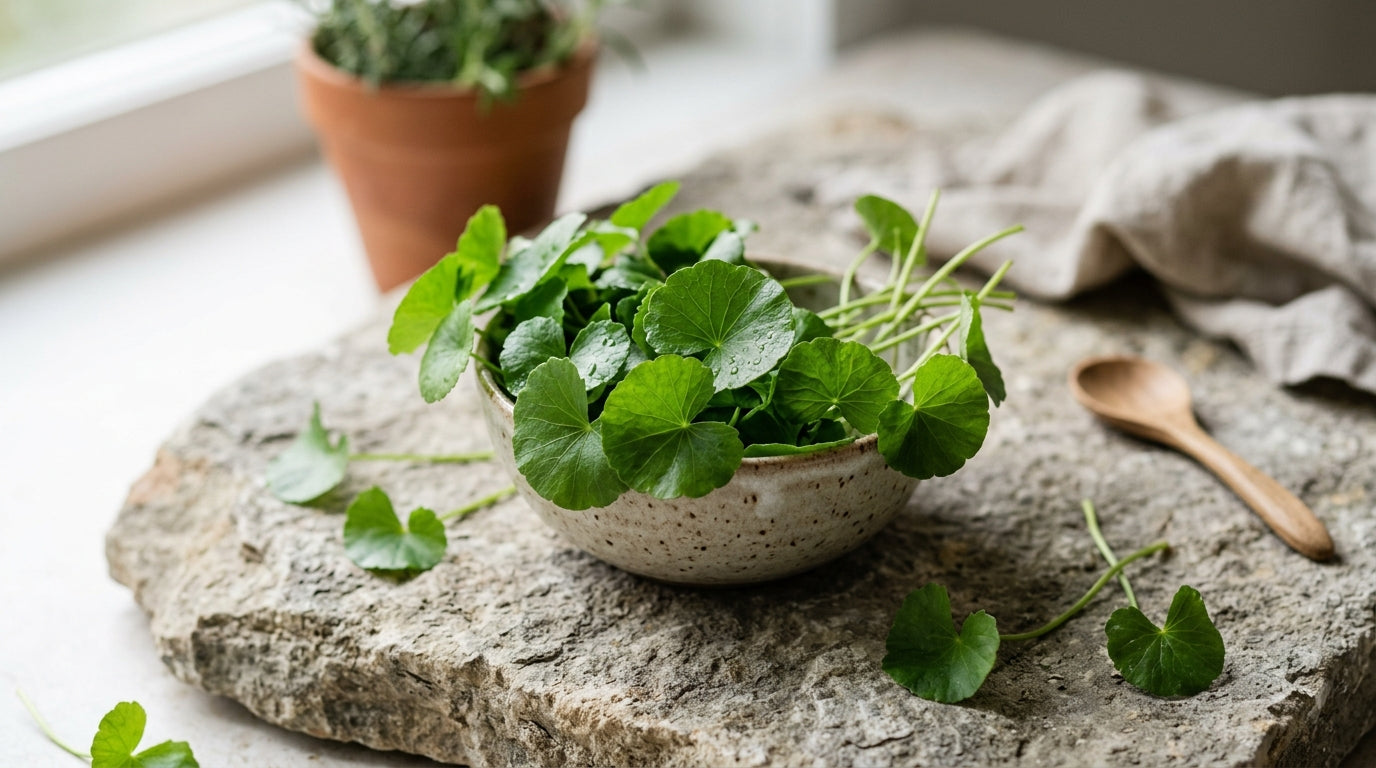
Bael leaf (Aegle marmelos) is rich in bioactive compounds—including eugenol, marmelosin, skimmianine, tannins, flavonoids, and coumarins—that inhibit pro-inflammatory cytokines IL-1β and TNF-α, enhance antioxidant enzymes (superoxide dismutase, catalase, glutathione peroxidase), and regulate blood glucose through improved insulin sensitivity and pancreatic beta-cell protection. A comprehensive review in Phytotherapy Research (2021, PMID 33159390) confirmed its broad pharmacological profile spanning anti-diabetic, anti-inflammatory, antimicrobial, hepatoprotective, and anticancer activities, while studies in the Journal of Integrative Medicine (2018, PMID 29709412) corroborated its immunomodulatory and anti-hyperlipidaemic potential.

Origin
Bael Leaf, from the tree Aegle marmelos, is native to South and Southeast Asia, particularly India, Sri Lanka, and Myanmar. It thrives in tropical and subtropical climates with well-drained soils. Revered in traditional medicine, Bael Leaf is valued for its comprehensive support of digestive, metabolic, and immune health.
Potential benefits
- Promotes digestive wellness by soothing gastrointestinal inflammation and balancing gut microbiota.
- Enhances metabolic efficiency by stabilizing blood sugar levels and improving lipid metabolism.
- Strengthens immune function with its antimicrobial and anti-inflammatory compounds.
- Supports cardiovascular health by improving circulation and regulating cholesterol.
- Aids in liver detoxification by promoting bile flow and toxin elimination.
- Reduces inflammation and oxidative stress with its rich antioxidant profile.
- Provides neuroprotective effects by reducing oxidative stress and preserving cognitive clarity.
How it works
Eugenol and marmelosin present in bael leaves suppress the NF-κB signaling pathway, thereby inhibiting the transcription of pro-inflammatory cytokines IL-1β, IL-6, and TNF-α, while simultaneously upregulating endogenous antioxidant enzymes including superoxide dismutase (SOD), catalase (CAT), and glutathione peroxidase (GPx) to neutralize reactive oxygen species (PMID 20099458). The alkaloids skimmianine and aegelin enhance insulin sensitivity by modulating PPAR-γ receptor activation and glucose transporter GLUT-4 translocation, while protecting pancreatic beta-cells from oxidative apoptosis (PMID 33159390). Coumarins such as marmelosin and marmelide inhibit cyclooxygenase-2 (COX-2) and lipoxygenase (LOX) enzymatic pathways, reducing prostaglandin and leukotriene synthesis to attenuate chronic inflammatory responses. Tannins and flavonoids contribute to cholesterol regulation by inhibiting HMG-CoA reductase and enhancing hepatic bile acid secretion, supporting cardiovascular and hepatoprotective effects (PMID 29709412).
What the research says
Current evidence derives primarily from preclinical and in vitro studies rather than human clinical trials. Methanol leaf extracts demonstrated antioxidant activity with IC50 75.68 μg/ml in DPPH assays, while related marmelosin compounds showed IC50 ~15.4 ± 0.32 μM for antioxidant effects. Laboratory studies confirm anti-inflammatory and blood glucose regulatory effects, but randomized controlled trials with clinical endpoints like HbA1c reduction are lacking. Total flavonoid and phenolic content measures 140 mg/100g with vitamin C at 10.21 mg/100g.
Safety and interactions
Bael leaf may potentiate the effects of hypoglycemic agents (metformin, sulfonylureas, insulin) due to its blood-glucose-lowering properties, necessitating close monitoring of blood sugar levels during concurrent use (PMID 33159390). Due to its coumarin content, bael leaf may enhance the anticoagulant effects of warfarin and other blood thinners, increasing bleeding risk; concurrent use should be avoided or closely supervised. While no specific CYP450 interaction studies have been published for bael leaf, its rich polyphenol and coumarin profile suggests potential modulation of CYP1A2 and CYP3A4 pathways, warranting caution with medications metabolized through these enzymes. Pregnant and breastfeeding women should avoid bael leaf supplementation due to insufficient safety data, and individuals scheduled for surgery should discontinue use at least two weeks prior due to potential anticoagulant and hypoglycemic effects.
Suggested use
- Common forms: Dried leaves brewed into teas, powdered for superfood blends, or tinctures.
- Dosage: 1–2 servings daily for digestive, metabolic, and immune optimization.
- Traditional application: Applied topically for wound healing.
- Preparation: Can be brewed as a tea, mixed into water, or blended into smoothies.
Frequently asked questions
What are the main health benefits and uses of bael leaf?
Bael leaf uses span digestive wellness, blood sugar regulation, immune support, cardiovascular protection, and liver detoxification. A comprehensive review (PMID 33159390) confirmed that its bioactive compounds—eugenol, marmelosin, tannins, and flavonoids—deliver anti-diabetic, anti-inflammatory, antimicrobial, hepatoprotective, and antioxidant effects. Traditional Ayurvedic use for diarrhea, constipation, and diabetes has been validated by modern pharmacological research (PMID 29709412).
Can bael leaf help lower blood sugar in diabetes?
Yes, bael leaf alkaloids such as skimmianine and aegelin improve insulin sensitivity by enhancing GLUT-4 translocation and protecting pancreatic beta-cells from oxidative damage (PMID 33159390). Dwivedi (2009) in the Journal of Alternative and Complementary Medicine (PMID 19922253) explored indigenous drugs including bael in ischemic heart disease patients with diabetes, supporting its role in glycemic management. However, diabetic patients on medication should consult their physician before use to avoid hypoglycemia.
Does bael leaf have anticancer properties?
Baliga et al. (2013) in Integrative Cancer Therapies (PMID 23089553) reviewed evidence showing that Aegle marmelos phytochemicals demonstrate cytotoxic activity against multiple cancer cell lines through induction of apoptosis and inhibition of cell proliferation. Key compounds including marmelide, lupeol, and skimmianine modulate apoptotic pathways and suppress tumor growth in preclinical models. While promising, human clinical trials are still needed to establish clinical efficacy.
Are there any side effects or drug interactions with bael leaf?
Bael leaf is generally well-tolerated at traditional doses, but its hypoglycemic properties may potentiate diabetes medications, risking dangerously low blood sugar. Its coumarin content may enhance anticoagulant drugs like warfarin, increasing bleeding risk. Individuals on blood thinners, blood sugar medications, or those scheduled for surgery should consult a healthcare provider before using bael leaf supplements.
What bioactive compounds are found in bael leaf and how do they work?
Bael leaf contains eugenol, marmelosin, marmelide, skimmianine, aegelin, tannins, flavonoids, and coumarins, as confirmed by phytochemical profiling studies (PMID 20099458; PMID 41479666). Eugenol and marmelosin suppress NF-κB-mediated inflammatory signaling, while tannins and flavonoids scavenge free radicals and enhance endogenous antioxidant enzymes. Alkaloids like skimmianine improve insulin signaling and protect pancreatic beta-cells, and coumarins inhibit COX-2 and LOX to reduce chronic inflammation (PMID 29709412).
What is the most effective form of bael leaf for digestive health—powder, extract, or tea?
Bael leaf extract standardized for coumarin and tannin content offers superior bioavailability and concentrated anti-inflammatory effects compared to raw powder, making it ideal for targeting gastrointestinal inflammation. However, bael leaf tea provides gentler, whole-plant benefits and may be better tolerated for sensitive digestive systems seeking gradual microbiota rebalancing. Powder forms offer flexibility in dosing but require higher quantities to match the potency of extracts.
Is bael leaf safe to take during pregnancy and breastfeeding?
Bael leaf is traditionally used in Ayurvedic medicine during pregnancy for digestive support, but clinical safety data in pregnant and breastfeeding women remains limited. Pregnant individuals should consult with a healthcare provider before supplementing, as some compounds in bael may have uterine effects at high doses. Breastfeeding safety is similarly understudied, warranting professional guidance before use.
How does bael leaf compare to milk thistle for liver detoxification support?
Bael leaf contains coumarins and tannins that support hepatic glutathione production and reduce oxidative stress, while milk thistle's silymarin specifically protects hepatocytes from toxin-induced damage through direct antioxidant mechanisms. Bael leaf offers broader gastrointestinal and metabolic benefits beyond liver support, making it valuable for comprehensive digestive wellness, whereas milk thistle is more liver-specific. Combining both may provide complementary liver and digestive support, though this should be discussed with a healthcare provider.
References
- https://fdc.nal.usda.gov/fdc-app.html#/search?query=Bael+Fruit
- https://fdc.nal.usda.gov/fdc-app.html#/search?query=Bael+Leaf
- https://www.ncbi.nlm.nih.gov/search/all/?term=Bael+Fruit
- https://www.ncbi.nlm.nih.gov/search/all/?term=Bael+Leaf
- https://www.ncbi.nlm.nih.gov/search/all/?term=Bael+Seed+Powder
- https://pubmed.ncbi.nlm.nih.gov/?term=Bael+Leaf
- https://www.ncbi.nlm.nih.gov/pmc/articles/PMC3491940
- https://www.sciencedirect.com/science/article/abs/pii/S175646462030154X
This article is educational and is not medical advice. Statements have not been evaluated by the FDA and are not intended to diagnose, treat, cure, or prevent any disease. Consult a healthcare professional before use.