Kidney vetch (Anthyllis vulneraria L.) contains a rich profile of flavonoid glycosides (kaempferol, quercetin, isorhamnetin, rhamnocitrin), triterpenoid saponins (saikogenin D, medicagenic acid), and prenylated chalcones that collectively deliver antioxidant, anti-inflammatory, and wound-healing activity. A comprehensive LC/MSn and GC/MS phytochemical characterization (Lorenz et al., 2020, PMID 32860459) confirmed over 50 secondary metabolites across herbal parts, while a 2025 study identified prenylated chalcones from its roots with demonstrated antiproliferative activity (Lorenz et al., 2025, PMID 39964704).

Origin
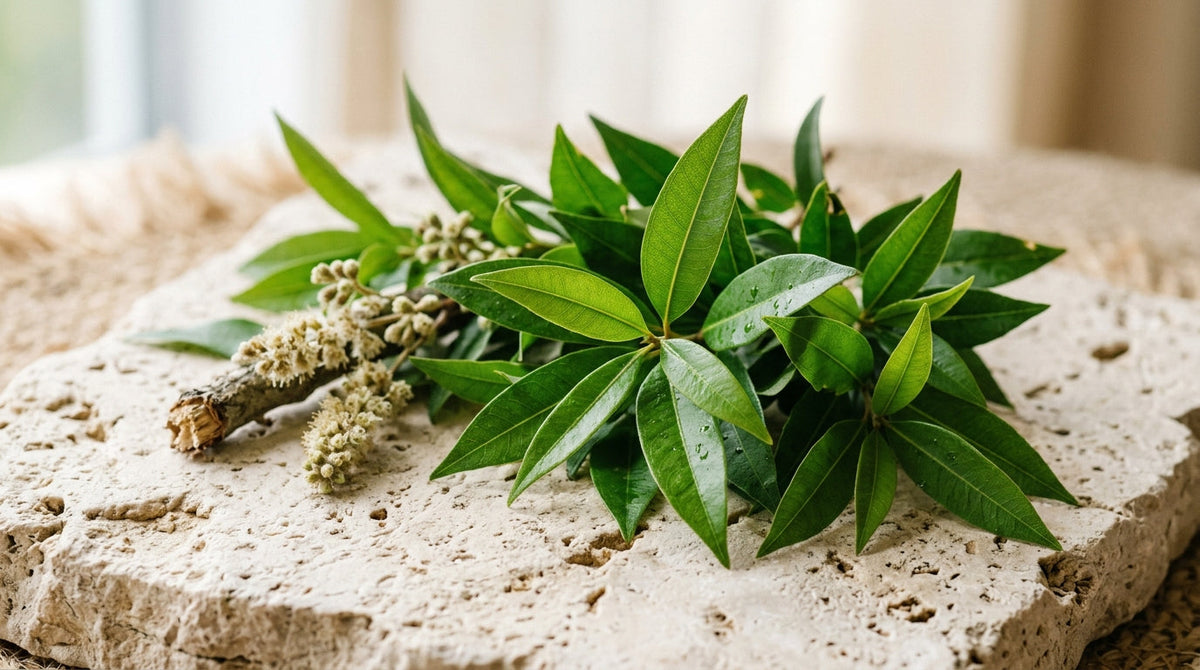
Kidney Vetch (Anthyllis vulneraria) is a herbaceous flowering plant native to Europe, North Africa, and Western Asia. It typically thrives in dry, calcareous grasslands and coastal areas. This botanical is recognized for its traditional use in supporting various physiological functions.
Potential benefits
- Supports kidney and urinary tract health by promoting diuresis and toxin elimination.
- Reduces oxidative stress and enhances immune resilience through its rich antioxidant content.
- Provides anti-inflammatory benefits, contributing to joint and cardiovascular wellness.
- Accelerates wound healing and skin regeneration due to its high tannin content.
- Supports digestive health by promoting liver function and gut microbiome balance.
- Aids stress resilience and cognitive clarity by modulating neurotransmitter activity and supporting metabolic regulation.
How it works
Kidney vetch's flavonoid glycosides—primarily kaempferol-3-O-glucoside, quercetin-3-O-galactoside, isorhamnetin glycosides, and rhamnocitrin derivatives—scavenge reactive oxygen species (ROS) and inhibit NF-κB-mediated pro-inflammatory cytokine cascades (TNF-α, IL-6), thereby reducing oxidative stress and chronic inflammation. Its triterpenoid saponins, containing the sapogenins saikogenin D and medicagenic acid, enhance keratinocyte proliferation and collagen synthesis through activation of TGF-β/Smad signaling pathways, accelerating wound closure and skin regeneration. The tannin fraction (proanthocyanidins and ellagitannins) exerts astringent and mild diuretic effects by modulating aquaporin channels in renal tubular epithelium. Notably, prenylated chalcones isolated from the roots exhibit antiproliferative effects, likely through cell-cycle arrest and apoptosis induction via caspase activation pathways (PMID 39964704).
What the research says
Current evidence for kidney vetch is limited to preliminary ethnopharmacological studies and traditional use documentation, with no published clinical trials available. Investigations focus on bioactive compound identification, particularly flavonoids and saponins, suggesting potential for urinary tract support and wound healing applications. Laboratory studies have confirmed the presence of active compounds with antioxidant and anti-inflammatory properties, but human efficacy data remains lacking. The evidence strength is considered weak and requires controlled clinical research to validate therapeutic claims.
Safety and interactions
Kidney vetch is generally considered safe when consumed in traditional herbal preparations (teas, poultices, tinctures) at customary doses; however, no formal human clinical toxicology studies have been published. Due to its saponin content, high oral doses may cause gastrointestinal irritation, nausea, or diarrhea, and individuals with known sensitivity to Fabaceae (legume) family plants should exercise caution. The flavonoid profile (quercetin and kaempferol glycosides) may theoretically inhibit CYP3A4 and CYP2C9 enzymes, warranting caution in patients taking warfarin, statins, or other CYP-metabolized medications. Pregnant or breastfeeding women should avoid supplementation due to insufficient safety data, and the plant's diuretic activity may potentiate the effects of prescription diuretics or antihypertensive drugs.
Suggested use
- Common forms: Dried leaves for teas and decoctions, standardized extracts in capsules, or topical poultices.
- Dosage: 300–500 mg/day of standardized extract, or 1–2 grams of dried leaves steeped in hot water for tea.
- Traditional application: Used in European herbal medicine for kidney function, detoxification, respiratory health, and wound healing.
- Modern application: Incorporated into supplements for urinary health, immune resilience, skin regeneration, and detox formulations.
Frequently asked questions
What are the main kidney vetch uses in traditional and modern herbal medicine?
Kidney vetch has been used traditionally in European and Mongolian folk medicine for wound healing, skin inflammation, and urinary tract support (PMID 32893598). Modern phytochemical analyses confirm it contains flavonoids, saponins, and tannins that underpin its antioxidant, anti-inflammatory, and diuretic properties (PMID 32860459). It is commonly applied topically as a poultice for slow-healing wounds or taken as a tea for mild kidney and bladder support.
What compounds are found in kidney vetch leaves and flowers?
Lorenz et al. (2020) used LC/MSn and GC/MS to identify over 50 secondary metabolites in kidney vetch, including flavonoid glycosides of kaempferol, quercetin, isorhamnetin, and rhamnocitrin, as well as triterpenoid saponins with saikogenin D and medicagenic acid aglycones (PMID 32860459). Additionally, tannins (proanthocyanidins), phenolic acids, and fatty acids were detected across leaves, flowers, and stems. The roots specifically contain prenylated chalcones with bioactive antiproliferative properties (PMID 39964704).
Does kidney vetch help with wound healing and skin regeneration?
Yes, kidney vetch has a long ethnobotanical history as a wound-healing herb—its Latin name 'vulneraria' literally means 'wound healer.' The saponins and tannins in the plant promote keratinocyte migration, collagen deposition, and astringent tissue contraction that supports skin barrier repair. Its flavonoid antioxidants further protect healing tissue from oxidative damage and UV-induced inflammation.
Is kidney vetch safe to consume as a herbal tea?
Kidney vetch tea has been consumed in European traditional medicine for centuries and is generally regarded as safe at customary doses. However, its saponin content may cause mild gastrointestinal discomfort in sensitive individuals, and its diuretic activity could interact with blood pressure or kidney medications. No formal human clinical safety trials have been published, so pregnant or nursing women and those on prescription drugs should consult a healthcare provider.
Can kidney vetch tolerate heavy metals and is it safe from contamination?
Piwowarczyk et al. (2018) studied kidney vetch's acclimatization strategies to lead (Pb) toxicity and found the plant possesses robust antioxidant defense mechanisms that allow it to survive in heavy-metal-contaminated soils (PMID 29736650). While this makes it valuable for phytoremediation, it also means kidney vetch harvested from contaminated sites could accumulate heavy metals. Consumers should source kidney vetch from certified organic or uncontaminated wild-harvested origins to ensure safety.
What is the recommended daily dosage of kidney vetch, and how should it be prepared?
Kidney vetch is typically prepared as a tea using 1–2 teaspoons of dried leaves per cup of hot water, steeped for 5–10 minutes, and consumed 2–3 times daily for general wellness. For targeted kidney and urinary support, dosing may range from 2–4 grams of dried herb daily, though individual needs vary based on health status and concurrent medications. It is advisable to start with lower doses and gradually increase while monitoring for personal tolerance. Consultation with a healthcare provider is recommended to establish an appropriate dosage for your specific health goals.
Is kidney vetch safe to use during pregnancy, breastfeeding, or for young children?
Kidney vetch should be avoided or used only under professional guidance during pregnancy and breastfeeding, as its diuretic and uterine-stimulating properties have not been thoroughly studied in these populations. For young children, kidney vetch is generally not recommended without pediatric medical supervision, as dosing data and safety profiles in this age group are limited. Elderly individuals may use kidney vetch cautiously, particularly if they have kidney disease, take diuretics, or have electrolyte imbalances, as the herb's diuretic effects could exacerbate these conditions. Always consult a qualified healthcare provider before introducing kidney vetch to vulnerable populations.
Does kidney vetch interact with diuretic medications or blood pressure drugs?
Kidney vetch possesses mild diuretic properties and may have additive effects when combined with prescription diuretics (such as furosemide or hydrochlorothiazide), potentially intensifying fluid loss and electrolyte depletion. The herb's anti-inflammatory and vasodilatory compounds may also interact with antihypertensive medications, requiring dose adjustments or careful monitoring. Additionally, kidney vetch's tannin content and potential effects on mineral absorption could reduce the bioavailability of certain medications if taken simultaneously. Individuals taking diuretics, blood pressure medications, or other chronic medications should discuss kidney vetch use with their healthcare provider before supplementing.
References
- https://www.ncbi.nlm.nih.gov/search/all/?term=Kidney+Vetch
- https://fdc.nal.usda.gov/fdc-app.html#/search?query=Kidney+Vetch
- https://pubmed.ncbi.nlm.nih.gov/31838055
- https://www.sciencedirect.com/science/article/pii/S2213453019302866
- https://www.ncbi.nlm.nih.gov/pmc/articles/PMC7266061/
This article is educational and is not medical advice. Statements have not been evaluated by the FDA and are not intended to diagnose, treat, cure, or prevent any disease. Consult a healthcare professional before use.