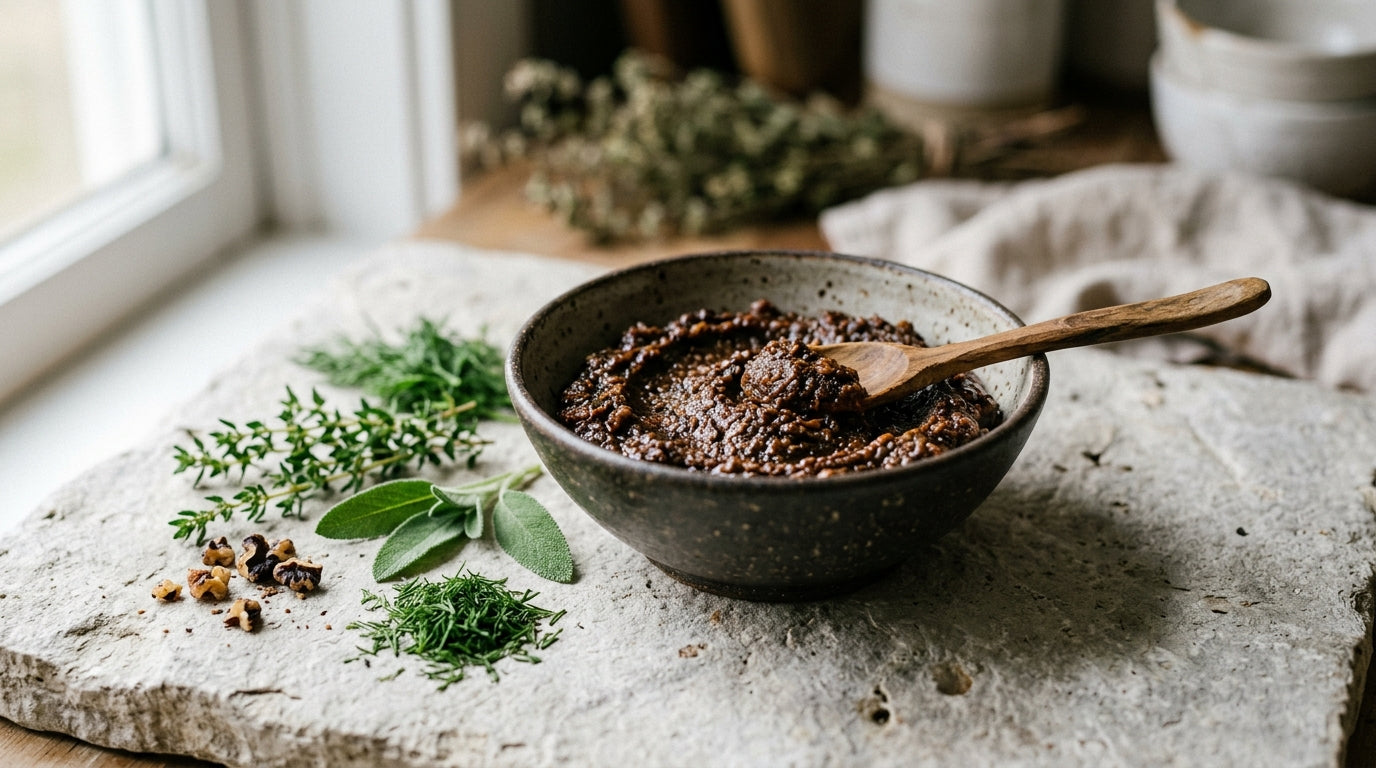
Blue fenugreek kale extract (BFKE) from Trigonella caerulea contains flavonoid glycosylates and saponins that provide potent antioxidant protection by reducing protein carbonylation. At concentrations as low as 0.001 mg/mL, BFKE prevents oxidative damage induced by hydrogen peroxide and urban pollution stressors.

Origin
Blue Fenugreek (Trigonella caerulea), also known as Utsko Suneli, is a distinctive culinary and medicinal herb native to the Caucasus region and Eastern Europe. Prized for its aromatic, nutty profile, it is a cornerstone in traditional Georgian cuisine and folk medicine. This powerful botanical supports digestive health, metabolic balance, and cardiovascular function, making it a valuable functional ingredient.
Potential benefits
- Supports digestive health by stimulating digestive enzymes and promoting gut microbiome balance.
- Enhances cardiovascular health by helping reduce cholesterol levels and improving blood circulation.
- Boosts immune function with its antimicrobial and antioxidant properties, protecting against infections and oxidative stress.
- Provides anti-inflammatory benefits, reducing chronic inflammation and supporting joint health.
- Improves respiratory health by soothing the respiratory tract and reducing symptoms of conditions like bronchitis and asthma.
How it works
BFKE's flavonoid glycosylates and saponins reduce protein carbonylation induced by hydrogen peroxide and UV-A radiation combined with particulate matter. The extract inhibits matrix metalloproteinase-9 (MMP-9) activity, preventing collagen degradation while lowering inflammatory cytokines including IL-1β, IL-6, IL-8, and TNF-α. Additionally, BFKE reduces malondialdehyde levels and restores skin barrier function through antioxidant mechanisms that match N-acetylcysteine efficacy.
What the research says
Current evidence for blue fenugreek is limited to in vitro studies using human dermal and epidermal fibroblasts, with no human clinical trials reported. Laboratory studies demonstrate dose-dependent antioxidant effects at concentrations ranging from 0.001-0.1 mg/mL, with complete restoration of oxidative markers to control levels at higher concentrations. While broader fenugreek research shows metabolic benefits in animal studies, these findings cannot be directly extrapolated to blue fenugreek extract. The therapeutic potential remains promising but requires human clinical validation.
Safety and interactions
In vitro testing up to 0.1 mg/mL showed no cytotoxicity or adverse effects for blue fenugreek kale extract. However, comprehensive safety data including drug interactions, contraindications, and effects during pregnancy are not established due to lack of human studies. Given that standard fenugreek can lower blood glucose levels, blue fenugreek may potentially interact with antidiabetic medications, though this interaction has not been specifically studied. Patients should consult healthcare providers before use, especially those on glucose-lowering medications.
Suggested use
- Traditionally used as a dried, ground herb in Georgian spice blends like khmeli suneli, added to breads, cheeses, stews, and sauces for its earthy, umami-rich profile.
- Prepared as a tea by steeping 1 teaspoon of dried herb in 1 cup of hot water for 10 minutes; consume 1–2 cups daily for digestive or metabolic support.
- Combines well with turmeric, garlic, and black pepper in anti-inflammatory and heart-supportive recipes.
Frequently asked questions
What is the difference between blue fenugreek and regular fenugreek?
Blue fenugreek (Trigonella caerulea) is a distinct species native to the Caucasus region, while regular fenugreek is Trigonella foenum-graecum. Blue fenugreek extract contains specific flavonoid glycosylates and saponins optimized for antioxidant activity, whereas regular fenugreek contains diosgenin, trigonelline, and 4-hydroxyisoleucine primarily studied for metabolic benefits.
How much blue fenugreek extract is effective for antioxidant benefits?
Laboratory studies show blue fenugreek kale extract provides significant antioxidant protection at concentrations as low as 0.001 mg/mL, matching N-acetylcysteine efficacy. At 0.1 mg/mL, BFKE completely restores oxidative markers to normal levels after stress exposure. However, these are in vitro concentrations and human dosing recommendations have not been established.
Can blue fenugreek help with skin aging and inflammation?
In vitro studies demonstrate blue fenugreek extract reduces inflammatory markers including IL-1β, IL-6, IL-8, and TNF-α while inhibiting collagen-degrading MMP-9 enzyme. The extract also restores skin barrier function and hydration in laboratory models. However, human clinical trials are needed to confirm these anti-aging effects on actual skin.
Is blue fenugreek safe to use with other supplements or medications?
Safety data for blue fenugreek is limited to laboratory studies showing no cytotoxicity up to 0.1 mg/mL. Comprehensive drug interaction profiles have not been established through human studies. Given fenugreek's potential glucose-lowering effects, caution is advised when combining with diabetes medications, though specific interactions with blue fenugreek remain unstudied.
What bioactive compounds make blue fenugreek effective?
Blue fenugreek kale extract's primary bioactive compounds are flavonoid glycosylates and saponins that provide potent antioxidant activity. These compounds work by reducing protein carbonylation and preventing oxidative damage from environmental stressors like UV radiation and pollution. This differs from regular fenugreek's key compounds like diosgenin and trigonelline.
How does blue fenugreek support digestive health?
Blue fenugreek stimulates the production of digestive enzymes that improve nutrient breakdown and absorption, while its soluble fiber content promotes the growth of beneficial gut bacteria. This dual mechanism helps optimize digestive function and may reduce bloating, gas, and digestive discomfort. The herb's prebiotic properties specifically support a balanced microbiome, which is essential for overall gastrointestinal wellness and immune function.
Can blue fenugreek help lower cholesterol and improve heart health?
Clinical research suggests blue fenugreek may help reduce total and LDL cholesterol levels while supporting healthy triglyceride balance, contributing to improved cardiovascular health. Its bioactive compounds enhance blood circulation and help maintain healthy blood pressure, reducing strain on the cardiovascular system. Regular use as part of a heart-healthy lifestyle may provide cumulative benefits for long-term cardiovascular support.
Who should avoid blue fenugreek supplementation?
Individuals with fenugreek allergies or those taking blood-thinning medications should consult a healthcare provider before use, as blue fenugreek may have mild anticoagulant properties. Pregnant women should exercise caution, as fenugreek compounds may stimulate uterine contractions, though blue fenugreek is sometimes used postpartum to support lactation under professional guidance. People with hormone-sensitive conditions should also seek medical advice due to potential estrogenic effects.
References
- https://www.frontiersin.org/articles/10.3389/fphar.2019.00978/full
- https://www.ncbi.nlm.nih.gov/pmc/articles/PMC6338480/
- https://pubmed.ncbi.nlm.nih.gov/31250124/
This article is educational and is not medical advice. Statements have not been evaluated by the FDA and are not intended to diagnose, treat, cure, or prevent any disease. Consult a healthcare professional before use.