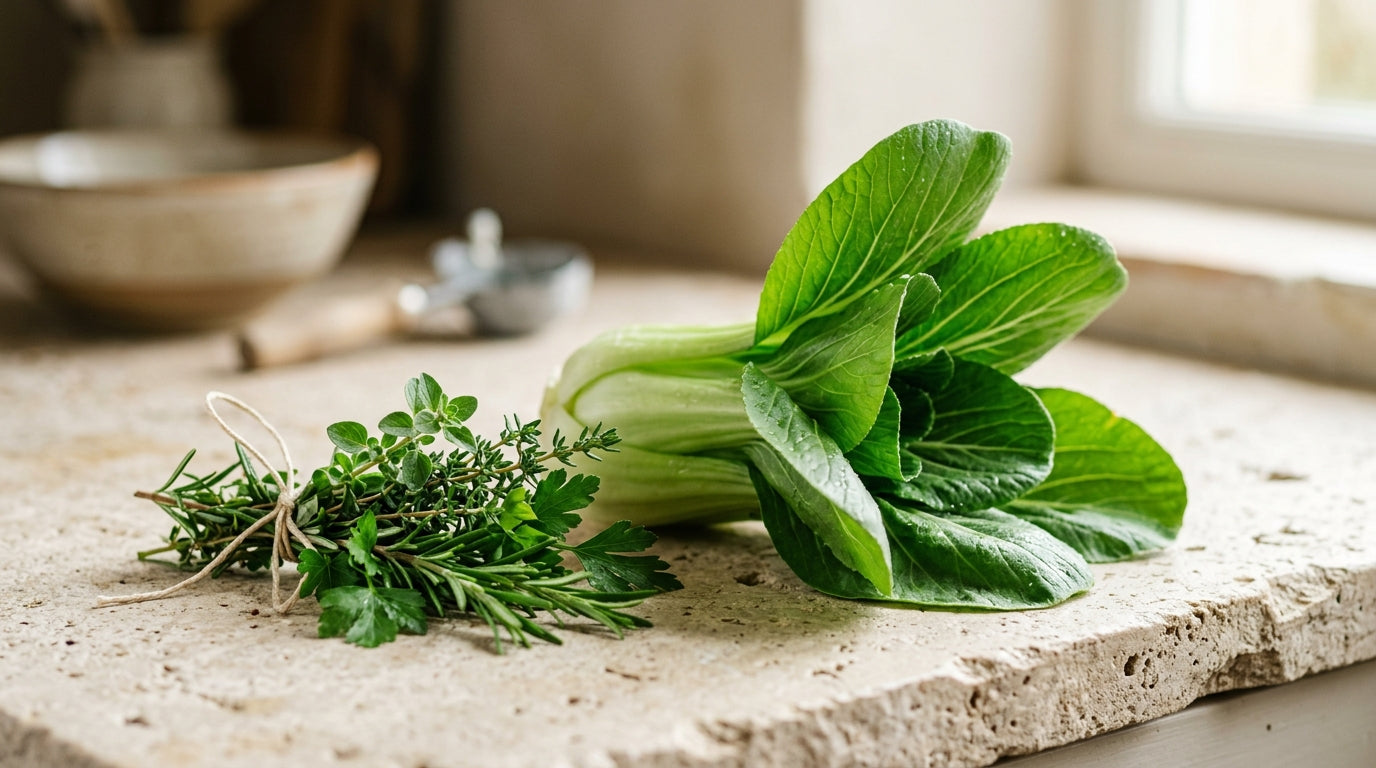
Oregano leaf (Origanum vulgare) delivers potent bioactivity through carvacrol (up to 85.70% of essential oil), thymol, rosmarinic acid, and quercetin, which disrupt bacterial cell membranes, inhibit biofilm formation, and modulate inflammatory pathways including NF-κB and PPARγ signaling. Chemical profiling studies confirm oregano's exceptionally high phenolic content and radical-scavenging capacity among medicinal plants (PMID 36364156), while molecular docking research demonstrates that oregano phytoconstituents such as rosmarinic acid exhibit strong binding affinity to SARS-CoV-2 nucleocapsid protein, suggesting antiviral nutraceutical potential (PMID 35796388).

Origin
Oregano (Origanum vulgare) is an aromatic perennial herb native to the Mediterranean region, particularly Southern Europe and Western Asia. Its leaves are rich in potent essential oils and phenolic compounds. It is highly valued in functional nutrition for its broad-spectrum antimicrobial and antioxidant properties.
Potential benefits
- Reduces inflammation and alleviates pain through carvacrol, rosmarinic acid, and thymol compounds.
- Provides powerful antiviral and antibacterial support by eliminating pathogens and enhancing immune resilience.
- Boosts immune function and protects against oxidative stress with flavonoids, polyphenols, vitamin C, and essential oils.
- Supports digestive health by promoting enzyme production, soothing the stomach lining, and improving gut motility.
- Improves respiratory health by relieving congestion and supporting healthy breathing.
- Enhances skin health and collagen regeneration by protecting against UV damage and promoting skin elasticity.
How it works
Carvacrol and thymol exert antimicrobial effects by integrating into bacterial phospholipid bilayers, increasing membrane permeability, disrupting proton motive force, and inducing autolysis at minimum inhibitory concentrations of 0.37–0.75 mg/mL; they also interfere with quorum sensing pathways (autoinducer-2 signaling) to inhibit biofilm formation. Rosmarinic acid and quercetin suppress the NF-κB and MAPK/ERK inflammatory cascades by inhibiting IκB kinase phosphorylation, reducing pro-inflammatory cytokines (TNF-α, IL-6, IL-1β), and scavenging reactive oxygen species via direct electron donation from their polyphenolic hydroxyl groups. Molecular docking analyses reveal that rosmarinic acid, luteolin, and apigenin bind with high affinity to SARS-CoV-2 nucleocapsid protein at the RNA-binding domain, potentially disrupting viral ribonucleoprotein assembly (PMID 35796388). Additionally, oregano phenolics including biochanin A act as PPARγ receptor modulators, while carvacrol upregulates endogenous antioxidant enzymes (SOD, GPx, CAT) through Nrf2/ARE pathway activation, as demonstrated in animal supplementation studies (PMID 39024691).
What the research says
Current evidence is limited to in vitro and ex vivo studies, with no published human clinical trials available. Laboratory studies demonstrate antimicrobial efficacy against MRSA strains (ATCC 43300/BAA-1707), E. coli, S. aureus, and P. aeruginosa through membrane integrity disruption. Antioxidant studies show oregano essential oils achieving 89.2% β-carotene bleaching protection at 20 µg/mL concentrations. Human clinical trials are needed to establish therapeutic efficacy, optimal dosing, and safety profiles for medicinal applications.
Safety and interactions
Oregano essential oil and concentrated supplements may inhibit CYP3A4 and CYP2C19 enzymes, potentially increasing plasma levels of drugs metabolized by these pathways, including certain statins, calcium channel blockers, and anticoagulants such as warfarin—patients on blood thinners should use oregano supplements with caution due to potential additive antiplatelet effects. High-dose oregano oil (>600 mg/day) may cause gastrointestinal irritation, nausea, or allergic contact dermatitis, particularly in individuals with Lamiaceae family allergies (mint, basil, sage). Oregano supplements are generally not recommended during pregnancy due to potential uterotonic effects of carvacrol and thymol at concentrated doses, and should be discontinued at least two weeks before scheduled surgery due to theoretical bleeding risk. Individuals taking lithium should exercise caution, as oregano's diuretic properties may alter lithium clearance and increase serum levels.
Suggested use
- Dried Leaf: Consume 1–2g daily for digestive and immune support, typically as a tea or culinary herb.
- Extract: Take 500–1,000mg of standardized extract for anti-inflammatory and respiratory benefits.
Frequently asked questions
What are the main health benefits of oregano leaf?
Oregano leaf provides antimicrobial, anti-inflammatory, antioxidant, digestive, and respiratory benefits primarily through its carvacrol, thymol, and rosmarinic acid content. Chemical profiling confirms its superior radical-scavenging capacity among medicinal herbs (PMID 36364156), while animal studies demonstrate it upregulates antioxidant genes (SOD, GPx, CAT), improves digestive enzyme activity, and strengthens intestinal tight junction proteins (PMID 39024691).
Is oregano antiviral and can it help fight COVID-19?
Molecular docking research published in the Journal of Food Biochemistry (2022) found that oregano phytoconstituents—rosmarinic acid, luteolin, and apigenin—demonstrate strong binding affinity to the SARS-CoV-2 nucleocapsid protein, suggesting potential as antiviral nutraceuticals (PMID 35796388). However, these are computational findings and no human clinical trials have yet confirmed oregano as a COVID-19 treatment. Oregano should not replace vaccination or standard medical care.
What is the difference between oregano leaf, oregano oil, and oregano tea?
Dried or fresh oregano leaf is used culinarily and contains moderate concentrations of bioactive compounds suitable for daily dietary intake. Oregano essential oil is a highly concentrated extract containing 60–85% carvacrol and is used therapeutically in capsule or diluted topical form at much lower volumes. Oregano tea, made by steeping fresh or dried leaves, provides a gentler extraction of water-soluble phenolics like rosmarinic acid and flavonoids with a somewhat bitter, peppery taste.
How does oregano support digestive health?
Oregano promotes digestive health by stimulating production of digestive enzymes (amylase, protease, lipase), enhancing beneficial gut bacteria such as Lactobacillus, and strengthening intestinal barrier integrity through upregulation of tight junction proteins including claudin-1, occludin, and ZO-1 (PMID 39024691). Carvacrol also demonstrates carminative and antispasmodic effects on gastrointestinal smooth muscle, reducing bloating and cramping. Its antimicrobial properties help suppress pathogenic bacteria in the gut while preserving commensal flora.
What compounds make oregano leaf medicinal and how much carvacrol does it contain?
Oregano's primary bioactive compounds are carvacrol (comprising up to 85.70% of essential oil in certain chemotypes), thymol, rosmarinic acid, quercetin, luteolin, apigenin, and biochanin A. Interspecific hybridization studies have shown significant genetic variation in terpene chemotype ratios, meaning carvacrol and thymol content varies substantially among oregano varieties (PMID 37108486). Rosmarinic acid, a major water-soluble phenolic, has been successfully produced in concentrated amounts from Origanum dictamnus root liquid cultures (PMID 36679010).
Is oregano leaf safe to take with blood thinners or anticoagulant medications?
Oregano leaf contains compounds like vitamin K that may have mild anticoagulant properties, so it's important to consult your healthcare provider before taking it alongside prescription blood thinners such as warfarin or apixaban. While culinary amounts of oregano are generally safe, therapeutic supplemental doses could potentially interact with these medications. Your doctor can advise on appropriate timing and dosing to avoid interference with your anticoagulant therapy.
What is the recommended daily dosage of oregano leaf supplement and when should I take it?
Typical oregano leaf supplements range from 500–1,000 mg daily, though dosage varies by product concentration and intended use; follow the manufacturer's label for specific guidance. Oregano leaf is best taken with meals to minimize potential digestive upset and to support optimal absorption of its active compounds. For therapeutic benefits, consistent daily use over several weeks is often recommended, though you should consult a healthcare provider for personalized dosing.
Who should avoid oregano leaf supplements, and is it safe during pregnancy or breastfeeding?
Oregano leaf supplements are not recommended during pregnancy or breastfeeding due to limited safety data and the potential for carvacrol to stimulate uterine contractions or affect hormone levels. Additionally, individuals with oregano allergies or those sensitive to herbs in the mint family should avoid supplementation. Those taking blood thinners, diabetes medications, or with hormone-sensitive conditions should seek medical advice before use.
References
- https://www.frontiersin.org/articles/10.3389/fphar.2021.679195/full
- https://pubmed.ncbi.nlm.nih.gov/32099394
- https://doi.org/10.1016/j.foodchem.2020.128008
- https://www.sciencedirect.com/science/article/pii/S1756464619308656
- https://www.ncbi.nlm.nih.gov/pmc/articles/PMC7499086/
This article is educational and is not medical advice. Statements have not been evaluated by the FDA and are not intended to diagnose, treat, cure, or prevent any disease. Consult a healthcare professional before use.