Research, primarily from in vitro and animal models using Piper nigrum, supports piperine's role in enhancing nutrient absorption and its antioxidant and anti-inflammatory properties. Studies indicate its ability to inhibit biofilm formation in Candida albicans and modulate metabolism. However, specific human clinical trials focusing on "Colombian Wild Peppercorns" or large-scale trials for many general Piper nigrum health claims are still limited, necessitating further robust investigation.

Origin
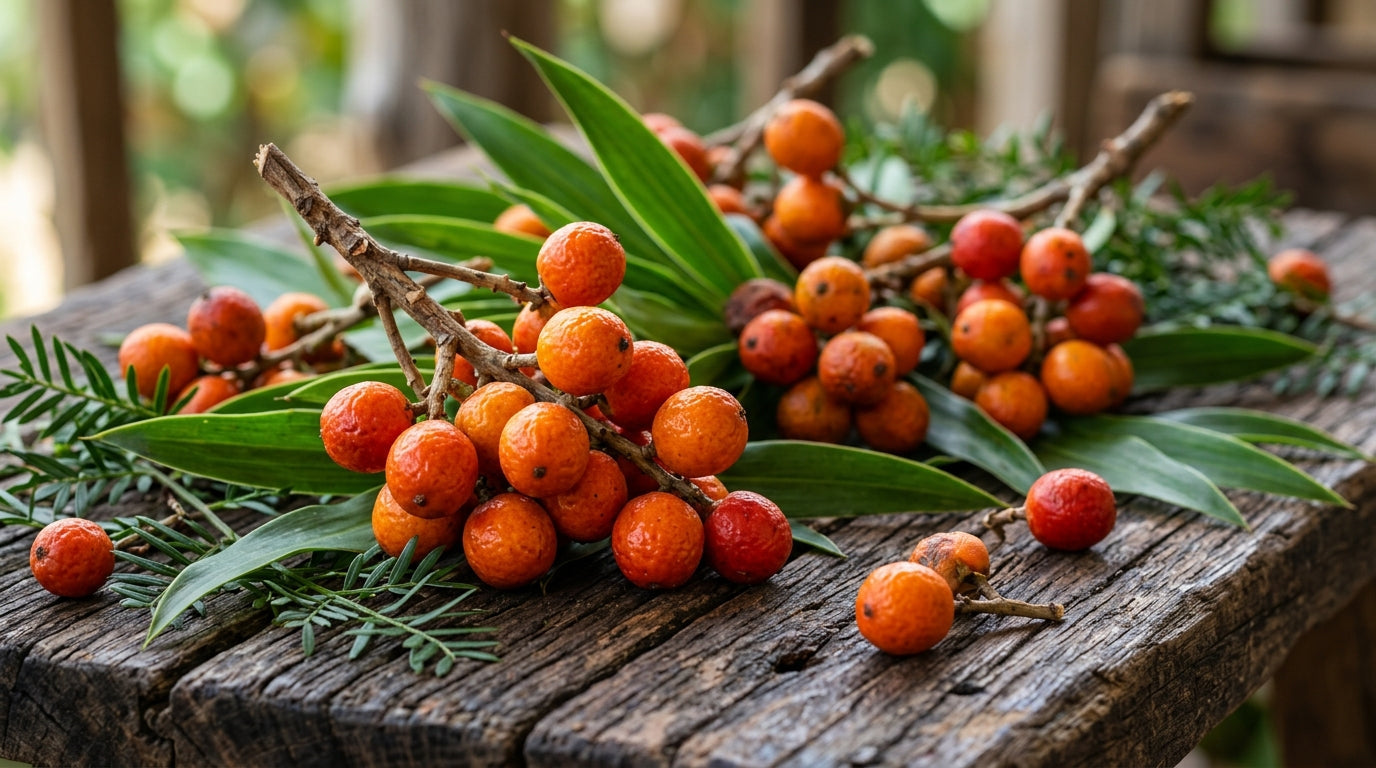
Colombian Wild Peppercorns (Piper nigrum) are small, aromatic berries sourced from wild vines thriving in the nutrient-rich rainforests of Colombia. Prized for their robust, spicy flavor and medicinal properties, they represent Colombia's rich biodiversity. In functional nutrition, they are valued for their digestive, anti-inflammatory, and bioavailability-enhancing compounds.
Potential benefits
- Enhances nutrient bioavailability by increasing the absorption of other compounds through piperine.
- Supports digestive health by stimulating digestive enzymes and promoting gut motility.
- Reduces inflammation through the action of piperine and various antioxidant compounds.
- Protects cells from oxidative damage due to a rich profile of flavonoids and other antioxidants.
- Boosts immune function by reducing oxidative stress and supporting overall cellular health.
- Modulates metabolism, potentially aiding in thermogenesis and fat utilization.
How it works
Piperine, the principal alkaloid in black pepper, enhances the bioavailability of other compounds by inhibiting drug-metabolizing enzymes like CYP3A4 and efflux transporters such as P-glycoprotein (P-gp) in the gut. It also exerts anti-inflammatory effects by modulating nuclear factor-kappa B (NF-κB) signaling and stimulating digestive enzymes for improved gut motility.
What the research says
Research, including in vitro and animal studies, supports the antioxidant properties of peppercorns and the role of piperine in enhancing nutrient absorption and modulating metabolism. While traditional uses are extensive, more human clinical trials are needed to fully establish specific health claims and optimal dosages for wild varieties.
Safety and interactions
Generally recognized as safe for consumption as a spice. However, due to piperine's ability to enhance absorption, it may increase the bioavailability of certain medications, potentially leading to elevated drug levels; caution is advised with narrow therapeutic index drugs. High doses may cause gastrointestinal irritation. Data on safety during pregnancy and breastfeeding is insufficient, so use should be avoided or medically supervised.
Suggested use
- Common forms: Whole berries, ground powder.
- Culinary use: Grind into savory dishes, soups, stews, marinades, or rubs.
- Therapeutic use: Steep 1/2 to 1 teaspoon of ground peppercorns in hot water for a warming tea.
- Dosage: 1/2 to 1 teaspoon of ground peppercorns daily for optimal health benefits.
Frequently asked questions
What is the primary bioactive compound in Colombian Wild Peppercorns?
The primary bioactive compound is piperine, an alkaloid found in Piper nigrum. It is responsible for black pepper's pungent flavor and many of its documented health benefits, including enhanced nutrient absorption and anti-inflammatory actions.
How does piperine from these peppercorns enhance nutrient absorption?
Piperine enhances nutrient absorption primarily by modulating drug-metabolizing enzymes (like CYP3A4) and efflux transporters (P-glycoprotein) in the gut. This mechanism reduces the metabolic breakdown and efflux of other compounds, allowing for greater absorption and bioavailability into the bloodstream.
Are there specific health benefits associated with Colombian Wild Peppercorns?
Based on its classification as Piper nigrum, benefits include supporting digestive health by stimulating digestive enzymes, reducing inflammation through antioxidant activity, and enhancing the bioavailability of other nutrients. However, specific research uniquely on "Colombian Wild Peppercorns" as a distinct variety is currently limited.
Have Colombian Wild Peppercorns been studied in human clinical trials?
While Piper nigrum in general has been the subject of various in vitro and animal studies, and some human trials for general health benefits, specific human clinical trials on "Colombian Wild Peppercorns" as a distinct variety are not widely documented. More targeted research is needed to validate specific claims for this designation.
What are the potential safety concerns or drug interactions?
As a potent bioavailability enhancer, piperine can increase the absorption and effectiveness of some medications, potentially leading to adverse effects. Individuals on medication, pregnant or breastfeeding women, and those with gastrointestinal sensitivities should consult a healthcare professional before consuming large quantities.
What is the difference between Colombian Wild Peppercorns and standard black pepper supplements?
Colombian Wild Peppercorns are harvested from uncultivated pepper plants in their native Colombian environment, typically containing higher concentrations of piperine and antioxidants compared to conventionally farmed black pepper. The wild harvesting process preserves more of the plant's naturally occurring phytonutrients, and these peppercorns often have a more complex flavor profile and bioactive compound profile. Standard black pepper supplements may be processed and standardized to specific piperine levels, while Colombian Wild Peppercorns offer a more concentrated whole-plant extract with variable but generally superior potency.
References
- https://fdc.nal.usda.gov/food-search?query=Colombian+Wild+Peppercorns
- https://pubmed.ncbi.nlm.nih.gov/?term=Colombian+Wild+Peppercorns
This article is educational and is not medical advice. Statements have not been evaluated by the FDA and are not intended to diagnose, treat, cure, or prevent any disease. Consult a healthcare professional before use.