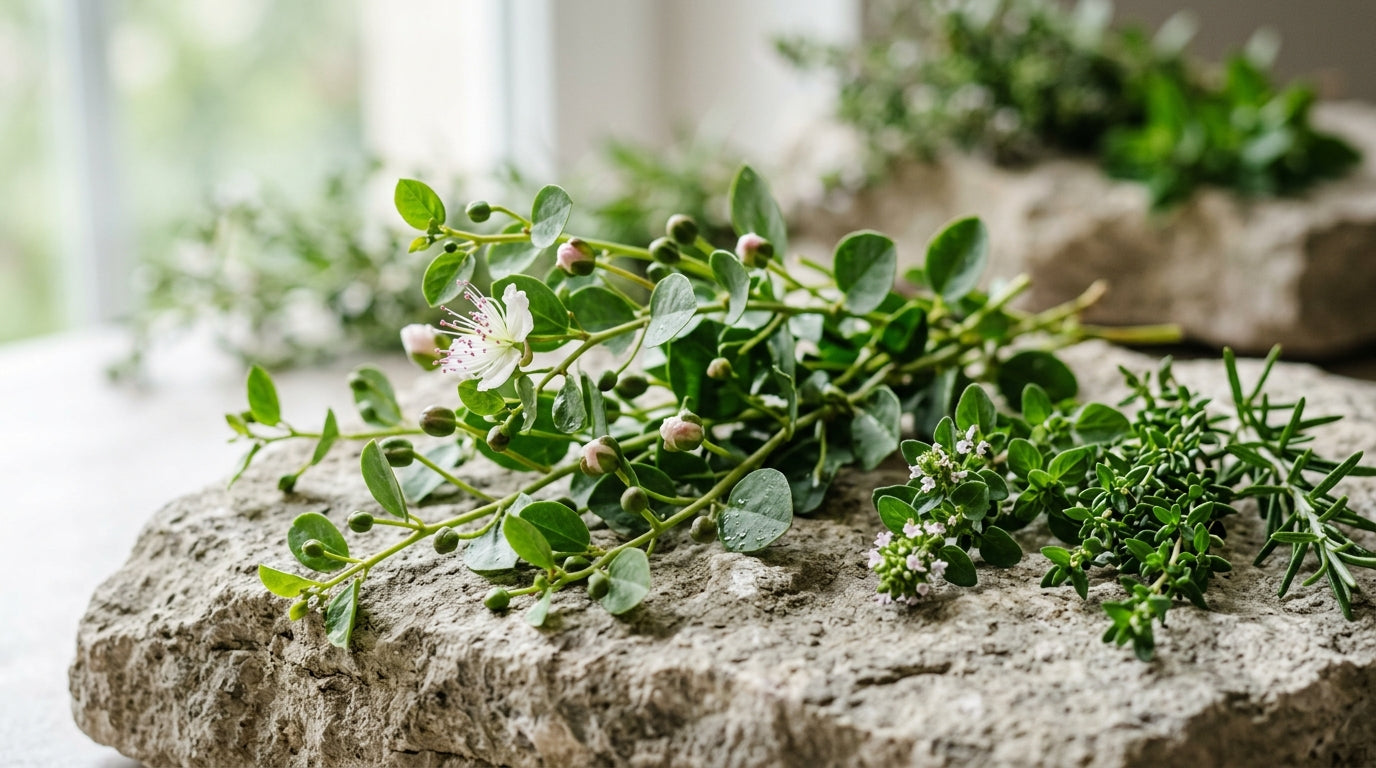
Cardamom pod tea contains volatile oils like cineole and α-terpinyl acetate that provide antioxidant and anti-inflammatory effects. The tea's vitamin C content supports collagen synthesis while its natural electrolytes aid cellular hydration.

Origin
Native to India, Sri Lanka, and other parts of Southeast Asia, now widely cultivated in tropical and subtropical regions worldwide Cardamom Pod Tea has been prepared and consumed across diverse cultures for centuries, with preparation methods refined over generations. Traditional tea masters and herbalists have developed specialized brewing techniques to maximize the extraction of beneficial compounds, antioxidants, and aromatic properties.
Potential benefits
- Cardamom Pod Tea, classified as a elettaria cardamomum, delivers specific wellness advantages.
- Supports skin health through vitamin C-mediated collagen synthesis and antioxidant protection.
- Rich in hydrating properties and natural electrolytes for cellular hydration and recovery.
- Rich in natural antioxidants, vitamins, and minerals that support overall health and immune resilience.
- Provides dietary fiber that promotes digestive regularity and supports a healthy gut microbiome.
How it works
Cardamom's volatile oils, particularly 1,8-cineole and α-terpinyl acetate, modulate inflammatory pathways by inhibiting cyclooxygenase and lipoxygenase enzymes. Vitamin C acts as a cofactor for prolyl 4-hydroxylase and lysyl hydroxylase, essential enzymes in collagen biosynthesis. The tea's natural potassium and magnesium content supports cellular osmotic balance and electrolyte homeostasis.
What the research says
Limited clinical research exists specifically on cardamom pod tea, with most studies focusing on cardamom extract or powder. A small study (n=20) showed cardamom supplementation improved antioxidant status markers after 8 weeks. Traditional use studies indicate potential digestive and respiratory benefits, but large-scale randomized controlled trials are lacking. Current evidence is primarily based on in vitro studies of cardamom's volatile oil components.
Safety and interactions
Cardamom pod tea is generally recognized as safe when consumed in typical food amounts (1-2 cups daily). High doses may cause gastrointestinal upset in sensitive individuals. Cardamom may interact with anticoagulant medications due to potential blood-thinning effects. Pregnant and breastfeeding women should limit intake to culinary amounts, as safety data for therapeutic doses is insufficient.
Suggested use
Dosage: Follow product label directions or consult a healthcare provider for appropriate dosing. General supplement dosage: 500-1000mg 1-2 times daily with food.
Recommended Dosage: Steep 1-2 teaspoons of loose tea (or 1 tea bag) in hot water (80-100°C depending on type) for 3-5 minutes. Drink 2-3 cups daily for health benefits. Avoid steeping too long to prevent bitterness.
Traditional Use & Preparation: - Contains essential oils (eucalyptol, terpinene), flavonoids, vitamin C, potassium, and magnesium.
General Guidance: Start with a lower dose and increase gradually. Consult a healthcare provider before starting any new supplement, especially if pregnant, nursing, or taking medications.
Frequently asked questions
How much cardamom pod tea should I drink daily?
Most people can safely consume 1-2 cups of cardamom pod tea daily. Each cup typically contains 3-5 cardamom pods, providing approximately 2-3mg of volatile oils including cineole and terpinyl acetate.
Does cardamom pod tea contain caffeine?
Pure cardamom pod tea is naturally caffeine-free, making it suitable for evening consumption. However, cardamom is often blended with black or green tea, which would contain 25-50mg caffeine per cup.
Can cardamom pod tea help with digestion?
Cardamom's volatile oils, particularly cineole, may support digestive function by stimulating gastric secretions and reducing intestinal spasms. Traditional use suggests benefits for bloating and indigestion, though clinical evidence is limited.
What does cardamom pod tea taste like?
Cardamom pod tea has a warm, aromatic flavor with sweet and spicy notes, featuring prominent eucalyptus-like qualities from cineole content. The taste is often described as citrusy with hints of mint and ginger.
Should I crush cardamom pods before brewing tea?
Lightly crushing cardamom pods before brewing releases more volatile oils, increasing the concentration of bioactive compounds like cineole and α-terpinyl acetate. This enhances both flavor intensity and potential therapeutic benefits.
Is cardamom pod tea safe during pregnancy and breastfeeding?
Cardamom pod tea is generally recognized as safe during pregnancy and breastfeeding in moderate amounts, as it has been used traditionally in culinary applications for centuries. However, pregnant and nursing women should consult their healthcare provider before making it a regular supplement, as individual sensitivities may vary. It's best to consume it as a mild tea rather than concentrated extracts during these periods.
Does cardamom pod tea interact with common medications?
Cardamom pod tea is unlikely to cause significant interactions with most common medications due to its mild nature and traditional food use. However, if you take blood-thinning medications, diabetes medications, or have specific health conditions, it's advisable to consult your healthcare provider before regular consumption. The antioxidant compounds in cardamom may theoretically affect how certain medications are metabolized.
Which food sources contain cardamom and can I get the same benefits from whole pods in cooking?
Cardamom pods are naturally present in Indian curries, Middle Eastern coffee, Scandinavian baked goods, and chai blends, making it easy to incorporate into your diet through whole pod cooking. While culinary use provides antioxidants and digestive benefits, the concentration in tea infusions is typically higher than in typical food dishes. Brewing whole pods as tea allows for better extraction of the beneficial compounds compared to brief cooking in recipes.
References
This article is educational and is not medical advice. Statements have not been evaluated by the FDA and are not intended to diagnose, treat, cure, or prevent any disease. Consult a healthcare professional before use.