Caper bush (Capparis spinosa) contains potent bioactive compounds including glucocapparin, N-butyl-glucosinolate, and flavonoids like rutin that exhibit antioxidant activity through DPPH radical scavenging with IC50 values as low as 5.90 μg/mL. These compounds provide cardiovascular protection, anti-inflammatory effects, and antimicrobial activity against bacterial biofilms at concentrations of 0.5-2 mg/mL.

Origin
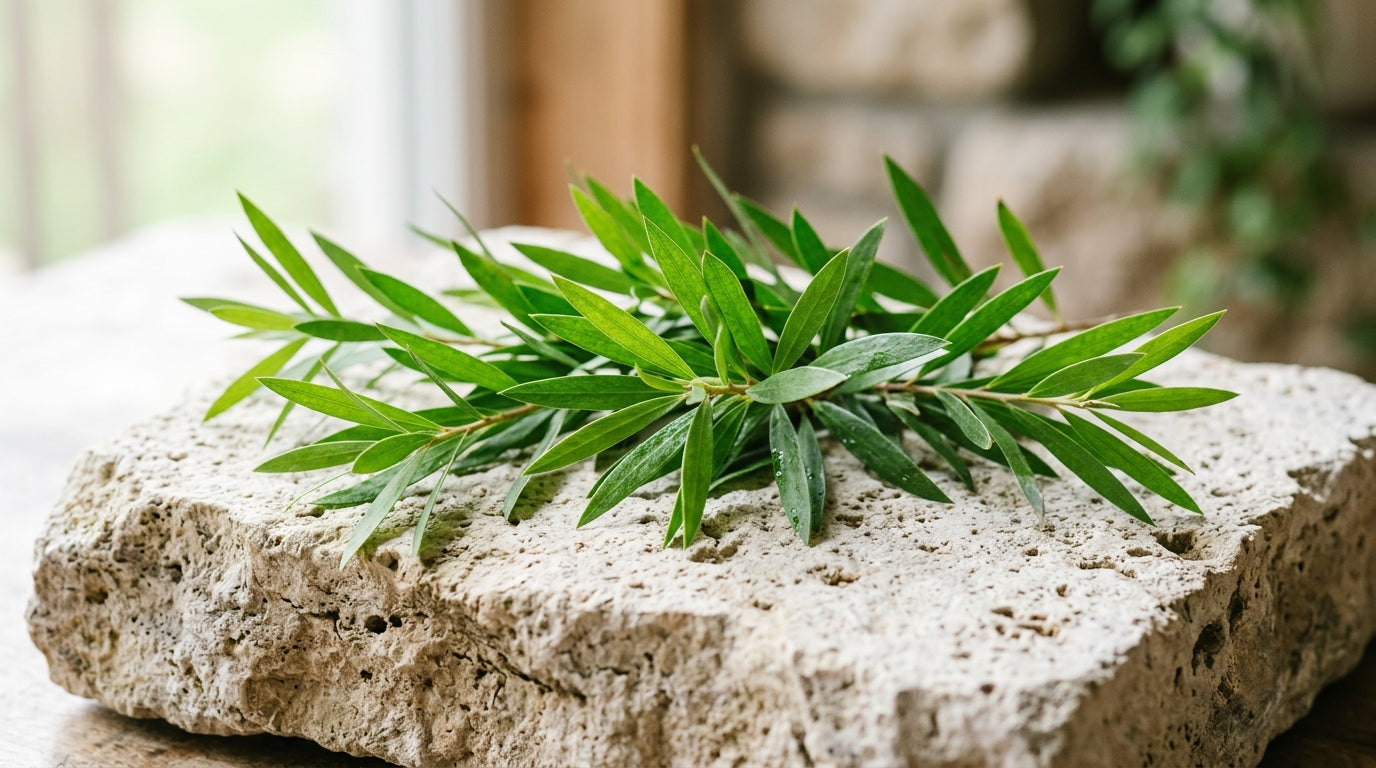
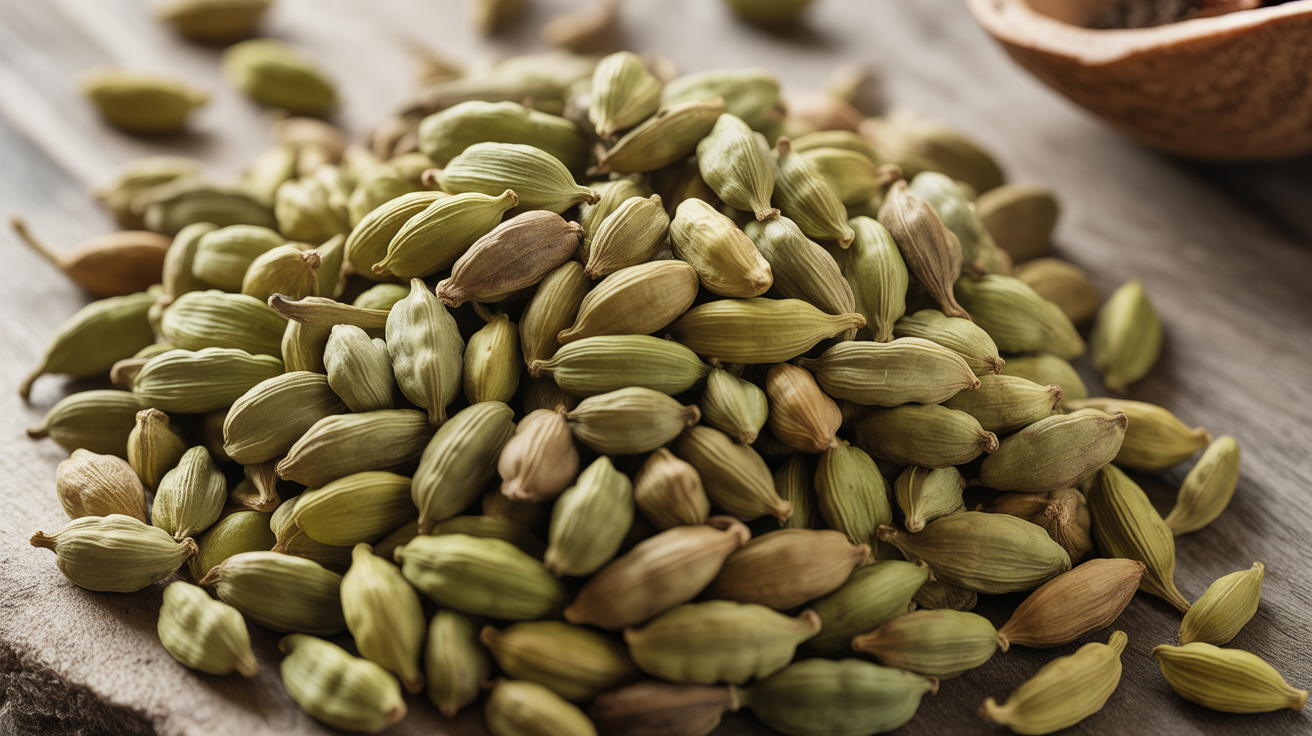
The Caper Bush (Capparis spinosa) is a perennial shrub native to the Mediterranean basin, North Africa, and parts of Central Asia. It thrives in arid and semi-arid climates, particularly on rocky hillsides and coastal areas. Valued for its edible flower buds and fruits, it is a functional food rich in bioactive compounds.
Potential benefits
- Supports cardiovascular health by modulating cholesterol levels and enhancing circulation.
- Combats oxidative stress through its potent antioxidant compounds, protecting cellular integrity.
- Promotes digestive wellness by providing dietary fiber and stimulating digestive enzymes.
- Supports liver detoxification processes and maintains metabolic balance.
- Benefits joint and bone health via its anti-inflammatory actions and essential mineral content.
- Enhances immune resilience and promotes skin vitality.
How it works
Caper bush exerts its effects primarily through glucocapparin and N-butyl-glucosinolate compounds that demonstrate potent DPPH radical scavenging activity and ABTS antioxidant capacity up to 258.77 mg ascorbic acid equivalent per gram. The flavonoids rutin and quercetin modulate inflammatory pathways by suppressing cytokine production, while glucosinolates provide antimicrobial effects through bacterial biofilm inhibition. These mechanisms collectively support cardiovascular health through ferryl-myoglobin reduction and peroxyl radical scavenging pathways.
What the research says
Current evidence for caper bush is limited to in vitro, ex vivo, and animal studies, with no published human clinical trials identified. Laboratory studies demonstrate antimicrobial zones of inhibition ranging 15-24 mm for various extracts and significant antioxidant activity with FRAP EC50 values of 120.2 mg/mL in leaf extracts. Animal studies in mice show anti-inflammatory effects through reduced cellular infiltration, and rat studies confirm analgesic properties without adverse effects. The lack of human clinical data represents a significant evidence gap requiring further research to establish therapeutic efficacy and optimal dosing protocols.
Safety and interactions
Safety data for caper bush is extremely limited, with only one rat study on defatted methanol extracts showing no adverse effects during analgesic testing. The high glucosinolate content (up to 2.97 μmol/g dry weight) may potentially affect thyroid function, though this concern requires confirmation through human studies. No specific drug interactions or contraindications have been documented, but caution is advised due to insufficient safety data. Pregnant and breastfeeding women should avoid use due to lack of safety studies in these populations.
Suggested use
- Common forms: Pickled flower buds, dried leaves, standardized extracts (capsules, tinctures).
- Preparation: Pickled capers are typically rinsed and added to dishes. Extracts are consumed orally.
- Dosage: 10-15 grams of pickled caper buds daily in meals. For standardized extracts, 500-1000 mg per day, or as directed by a healthcare professional.
Frequently asked questions
What are the main bioactive compounds in caper bush?
Caper bush contains glucocapparin and N-butyl-glucosinolate as primary glucosinolates, along with flavonoids like rutin and quercetin. Concentrations reach 2.97 μmol/g dry weight in pistils, with polyphenolic content varying by plant part and growing conditions.
How strong is the antioxidant activity of caper bush extracts?
Caper bush demonstrates potent antioxidant activity with DPPH radical scavenging IC50 values as low as 5.90 μg/mL in acetone bud extracts. ABTS scavenging capacity reaches up to 258.77 mg ascorbic acid equivalent per gram in ultrasound-assisted leaf extracts.
Are there any human clinical studies on caper bush?
No human clinical trials on caper bush have been published to date. Current evidence comes exclusively from laboratory in vitro studies and animal experiments, representing a significant gap in clinical evidence for therapeutic applications.
Can caper bush extracts fight bacterial infections?
Laboratory studies show caper bush methanol extracts inhibit bacterial biofilm formation by 70-79% at concentrations of 0.5-2 mg/mL against Serratia marcescens. Antimicrobial zones of inhibition range 15-24 mm for various solvent extracts, though human applications remain unproven.
Is caper bush safe for long-term use?
Safety data for caper bush is extremely limited, with only one rat study showing no adverse effects from fruit and root bark extracts. The high glucosinolate content may potentially affect thyroid function, but comprehensive human safety studies are lacking.
What foods contain caper bush and can I get its benefits from diet alone?
Caper bush fruits (capers) and leaves are used in Mediterranean cuisine, particularly in Greek, Italian, and Spanish dishes, adding flavor to salads, pasta, and seafood preparations. While culinary portions provide some bioactive compounds, obtaining therapeutic levels of the specific antioxidants and active constituents requires concentrated extracts or supplements, as typical food servings are relatively small. A supplement-based approach ensures consistent dosing of the beneficial compounds like quercetin and rutin.
Does caper bush interact with blood pressure or cholesterol medications?
Caper bush may enhance the effects of antihypertensive and statin medications due to its cholesterol-modulating and circulatory properties, potentially requiring dose adjustments. Individuals taking medications for blood pressure or cholesterol should consult their healthcare provider before supplementing with caper bush extracts. This precaution helps prevent additive effects that could lower blood pressure or cholesterol levels excessively.
Which form of caper bush supplement is most effective—whole fruit, leaf extract, or standardized capsules?
Standardized extracts and capsules typically provide concentrated, consistent levels of bioactive compounds (such as flavonoids and alkaloids) compared to whole fruit preparations. Leaf extracts are often preferred for cardiovascular and liver support benefits, while whole fruit offers dietary fiber benefits for digestive health. The choice depends on your specific health goal, though standardized extracts generally offer superior bioavailability and predictable potency.
References
- https://www.ncbi.nlm.nih.gov/search/all/?term=Caper+Bush
- https://pubmed.ncbi.nlm.nih.gov/31761284
- https://www.sciencedirect.com/science/article/pii/S2213453019302067
- https://www.ncbi.nlm.nih.gov/pmc/articles/PMC7265168/
This article is educational and is not medical advice. Statements have not been evaluated by the FDA and are not intended to diagnose, treat, cure, or prevent any disease. Consult a healthcare professional before use.