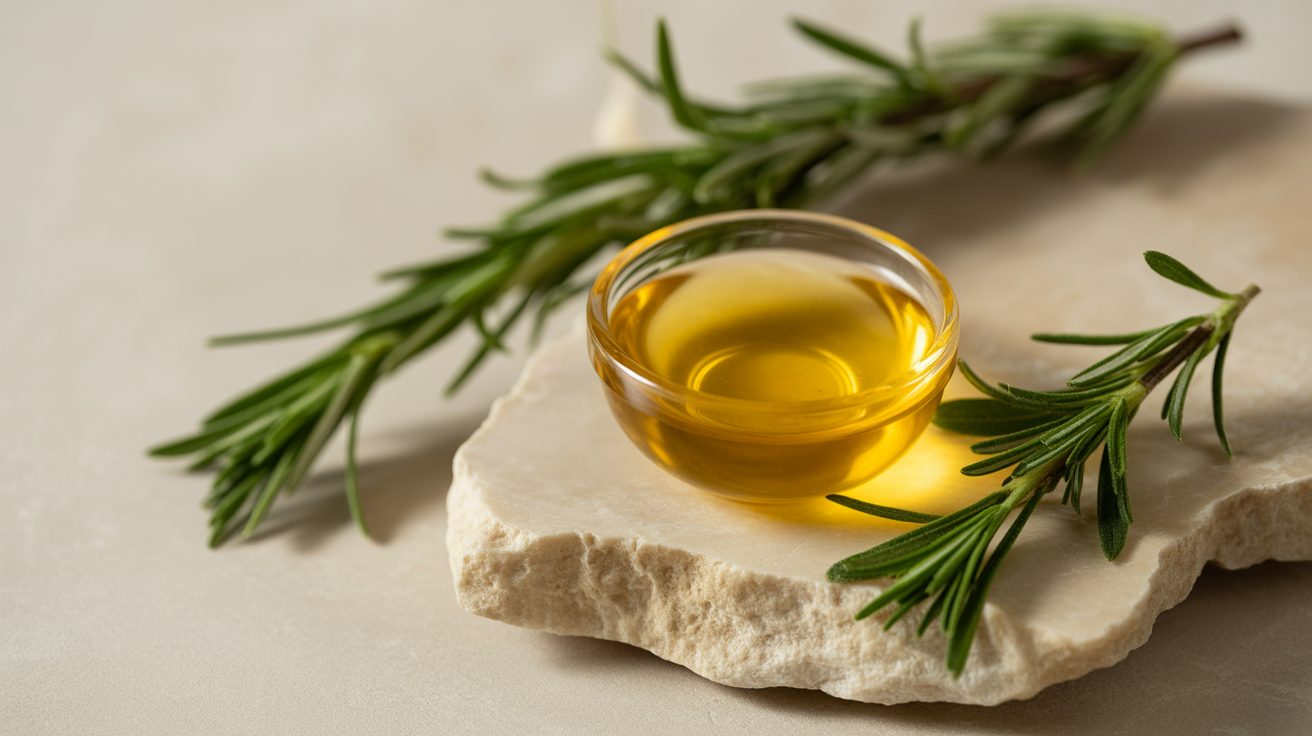
Preliminary studies suggest cedarwood essential oil's potential for respiratory benefits, skin health, and anti-inflammatory effects. While traditional use is extensive, current research primarily consists of in vitro and animal models, with limited human clinical trials. Specific sample sizes and robust efficacy data from large-scale human studies are currently lacking, emphasizing the need for further rigorous investigation to fully elucidate its therapeutic profile.

Origin
Cedar Cone Oil is an essential oil typically extracted from the cones and wood of *Cedrus spp.* trees. Native to temperate and mountainous regions across North America, Europe, and Asia, this oil is valued for its distinctive woody aroma and therapeutic properties that support relaxation and respiratory health.
Potential benefits
- Promotes relaxation and reduces stress through its calming aromatic compounds, supporting a tranquil state.
- Enhances skin health by providing antiseptic and anti-inflammatory effects, soothing irritation.
- Supports respiratory function by acting as an expectorant and decongestant, easing breathing.
- Reduces inflammation, contributing to overall comfort and skin health.
- Exhibits antimicrobial properties, helping to protect against various pathogens.
How it works
Cedarwood essential oil's therapeutic actions are largely attributed to sesquiterpenes such as cedrol, α-cedrene, and thujopsene. These compounds exert their effects by attenuating oxidative stress and downregulating redox-sensitive inflammatory pathways, including NF-κB and inducible nitric oxide synthase (iNOS), thereby modulating the inflammatory response at a cellular level.
What the research says
Preliminary studies suggest Cedar Cone Oil's potential for respiratory benefits, skin health, and anti-inflammatory effects, largely attributed to its volatile compounds like cedrol and beta-pinene. While traditional use is extensive, further clinical research is required to fully elucidate its therapeutic mechanisms and efficacy.
Safety and interactions
Cedarwood essential oil is generally considered safe for topical use when properly diluted; however, a patch test is recommended to check for skin sensitivity. It should not be ingested without professional guidance. Pregnant or nursing individuals, children, and those on medication should consult a healthcare provider before use due to potential contraindications or drug interactions, which are not extensively studied for this specific oil.
Suggested use
- Common Forms: Essential oil for aromatic and topical use.
- Topical Use: Dilute 2-3 drops with a carrier oil (e.g., jojoba, almond) and apply to skin for hydration or soothing.
- Aromatic Use: Add 3-5 drops to a diffuser for relaxation and respiratory support.
- Dosage: Use as needed; avoid direct internal consumption without expert guidance.
Frequently asked questions
Is Cedar Cone Oil the same as Cedarwood Essential Oil?
No, 'Cedar Cone Oil' is not a widely recognized or specifically researched product. The existing scientific and traditional knowledge, including the benefits listed, almost exclusively refers to 'cedarwood essential oil,' which is typically extracted from the wood of *Cedrus spp.* or *Juniperus spp.* trees, not primarily from cones.
What are the primary active compounds in cedarwood essential oil?
Cedarwood essential oil's bioactivity is primarily attributed to sesquiterpenes and alcohols. Key compounds include cedrol, α-cedrene, β-cedrene, thujopsene, and widdrol, which collectively contribute to its diverse therapeutic properties.
How does cedarwood essential oil help with inflammation?
It helps by attenuating oxidative stress and downregulating specific redox-sensitive inflammatory pathways. Notably, it impacts NF-κB (Nuclear Factor-kappa B) and inducible nitric oxide synthase (iNOS), which are crucial mediators in the body's inflammatory response at a cellular level.
What types of studies support the benefits of cedarwood essential oil?
Preliminary studies, mainly conducted in vitro (cell culture) and in animal models, indicate potential benefits for respiratory function, skin health, and anti-inflammatory effects. While promising, extensive human clinical trials with robust methodologies are still needed to confirm these findings and establish definitive therapeutic efficacy.
How should cedarwood essential oil be used safely?
For topical application, always dilute cedarwood essential oil with a carrier oil, and perform a patch test on a small skin area first. Avoid ingesting the oil unless under the strict guidance of a qualified healthcare professional. Consult a doctor before use if pregnant, nursing, or taking medications, as potential interactions or contraindications are not fully established.
Is Cedar Cone Oil safe to use during pregnancy and breastfeeding?
Cedar Cone Oil should be avoided or used only under professional guidance during pregnancy and breastfeeding, as certain compounds in cedarwood essential oils may stimulate uterine contractions or pass into breast milk. Pregnant and nursing women should consult with a healthcare provider before using cedarwood products in any form. Topical dilution with carrier oils may be safer than internal or aromatic use during these periods.
References
This article is educational and is not medical advice. Statements have not been evaluated by the FDA and are not intended to diagnose, treat, cure, or prevent any disease. Consult a healthcare professional before use.