While specific clinical trials on "Georgian Wild Sorrel" are limited due to its regional designation, studies on general *Rumex acetosa* (common sorrel) investigate its antioxidant and anti-inflammatory properties. These studies, often in vitro or animal models, focus on its rich flavonoid and polyphenol content, demonstrating benefits for oxidative stress reduction and potential liver support. Further human clinical trials are needed to confirm dosage and efficacy for specific health outcomes in humans.

Origin
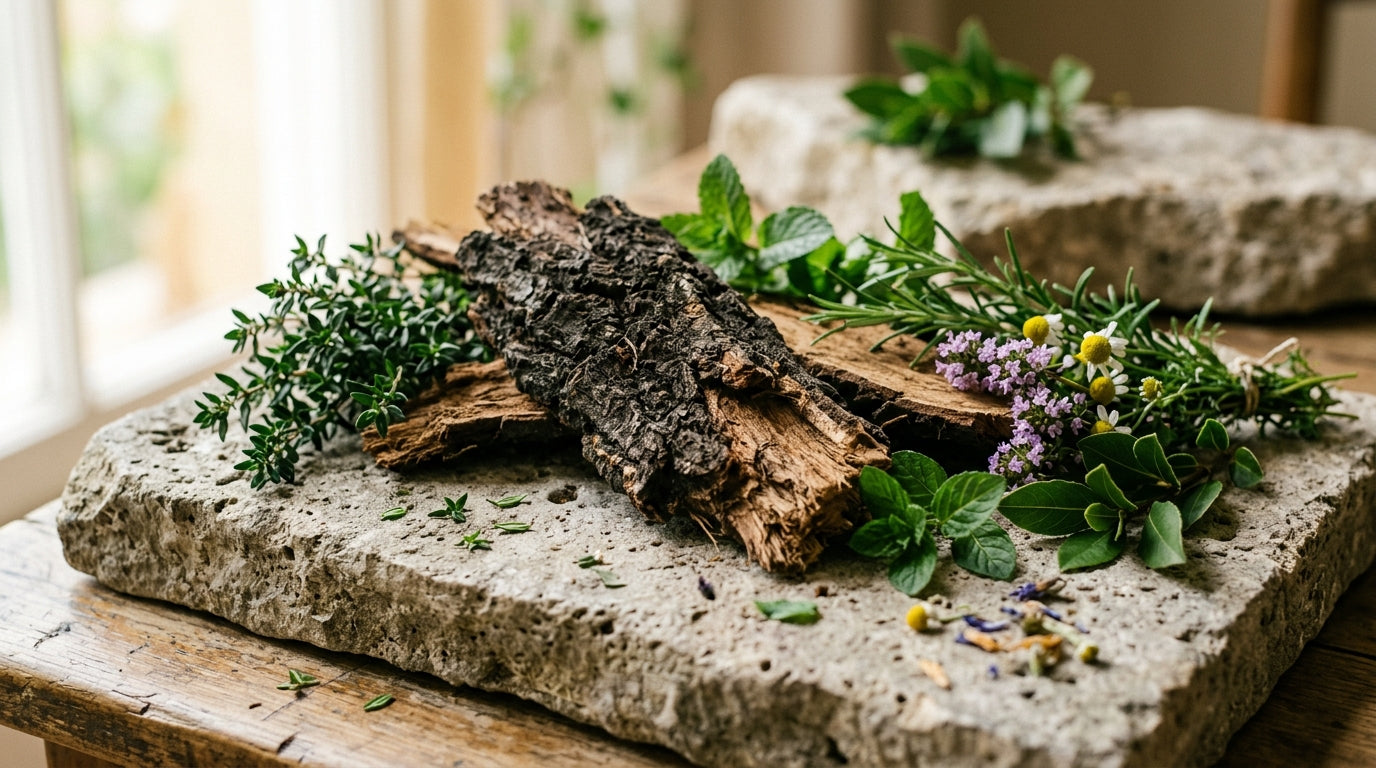
Georgian Wild Sorrel (Rumex acetosa) is a vibrant green leafy plant sourced from the lush highlands and meadows of Georgia, thriving in temperate climates and mineral-rich soils. Prized for its tangy, slightly lemony flavor, it is a versatile culinary herb and a valuable functional food. It is recognized for its rich antioxidant profile, immune-boosting properties, and traditional use in supporting liver and digestive health.
Potential benefits
- Boosts immune function through its high vitamin C and antioxidant content, enhancing cellular defense mechanisms.
- Supports liver health by aiding detoxification processes with its unique phytochemicals and antioxidant capacity.
- Provides anti-inflammatory benefits via flavonoids and other bioactive compounds, modulating systemic inflammatory responses.
- Aids digestive health with its dietary fiber, promoting regularity and a balanced gut microbiome.
- Protects against oxidative stress through a rich profile of flavonoids and vitamins A and C, safeguarding cellular integrity.
How it works
The primary mechanism involves polyphenols acting as powerful antioxidants, directly reducing the production of harmful oxidants. These compounds also enhance endogenous enzymatic antioxidants, such as catalase, especially in airway epithelial cells exposed to environmental stressors. This activity encourages the body's natural antioxidant defenses without inhibiting existing beneficial enzyme functions.
What the research says
Scientific studies, referenced in databases like PubMed and ScienceDirect, investigate the antioxidant capacity of sorrel, particularly its flavonoid content. Research also explores its potential benefits for liver health and digestive function, supporting traditional uses through phytochemical analysis.
Safety and interactions
Sorrel, including wild varieties, contains oxalic acid, which can be problematic in high doses, especially for individuals prone to kidney stones or with existing kidney conditions. Excessive consumption may also interfere with mineral absorption, such as calcium. Pregnant or breastfeeding individuals should use it cautiously or avoid it due to insufficient safety data. It may interact with medications, particularly blood thinners, due to potential vitamin K content, though this is less prominent than oxalic acid concerns.
Suggested use
- Forms: Consumed fresh (leaves), blended into soups/stews, or brewed as a tea.
- Culinary Uses: Raw in salads, incorporated into savory pastries, dips, or as a garnish.
- Dosage: Recommended daily intake of 1 to 2 cups of fresh leaves or one cup of sorrel tea for general wellness.
Frequently asked questions
What are the main health benefits of Georgian Wild Sorrel?
Georgian Wild Sorrel is primarily known for its potent antioxidant and anti-inflammatory properties, attributed to its high content of vitamin C and polyphenols. It supports immune function, aids liver detoxification, and enhances cellular defense mechanisms against oxidative stress.
How does Georgian Wild Sorrel work at a cellular level?
Its key bioactive compounds, particularly polyphenols, reduce the production of harmful oxidants within cells. These compounds also bolster the body's natural antioxidant system by enhancing the activity of endogenous enzymatic antioxidants like catalase, especially in cells exposed to environmental stressors.
Is "Georgian Wild Sorrel" different from regular sorrel?
"Georgian Wild Sorrel" likely refers to a regional or wild variety of common sorrel (*Rumex acetosa*) found in Georgia. While its specific characteristics may vary slightly due to terroir, its primary chemical composition and health benefits are generally similar to other *Rumex acetosa* varieties, being rich in polyphenols and antioxidants.
Are there any safety concerns or side effects when consuming Georgian Wild Sorrel?
Yes, like all sorrel varieties, it contains oxalic acid, which can be harmful in large quantities for individuals prone to kidney stones or with kidney issues. Excessive consumption may also inhibit the absorption of essential minerals like calcium.
Can Georgian Wild Sorrel interact with medications?
Due to its oxalic acid content, it may affect mineral absorption, potentially impacting individuals on certain mineral supplements. While less common, the presence of vitamin K in some leafy greens could theoretically interact with blood thinners, though this is not a primary concern for sorrel compared to its oxalic acid content.
What is the best form of Georgian Wild Sorrel supplement—fresh, dried, or extract?
Dried Georgian Wild Sorrel and concentrated extracts typically offer better bioavailability and shelf stability compared to fresh forms, as drying concentrates the bioactive compounds like flavonoids and vitamin C. Extract forms allow for standardized dosing and easier consumption, though some prefer whole-plant dried preparations to maintain the full spectrum of phytochemicals. Fresh sorrel retains enzymes and some heat-sensitive nutrients but has a shorter shelf life and less concentrated nutrient density than processed forms.
References
- https://fdc.nal.usda.gov/food-search?query=Georgian+Wild+Sorrel
- https://pubmed.ncbi.nlm.nih.gov/?term=Georgian+Wild+Sorrel
This article is educational and is not medical advice. Statements have not been evaluated by the FDA and are not intended to diagnose, treat, cure, or prevent any disease. Consult a healthcare professional before use.