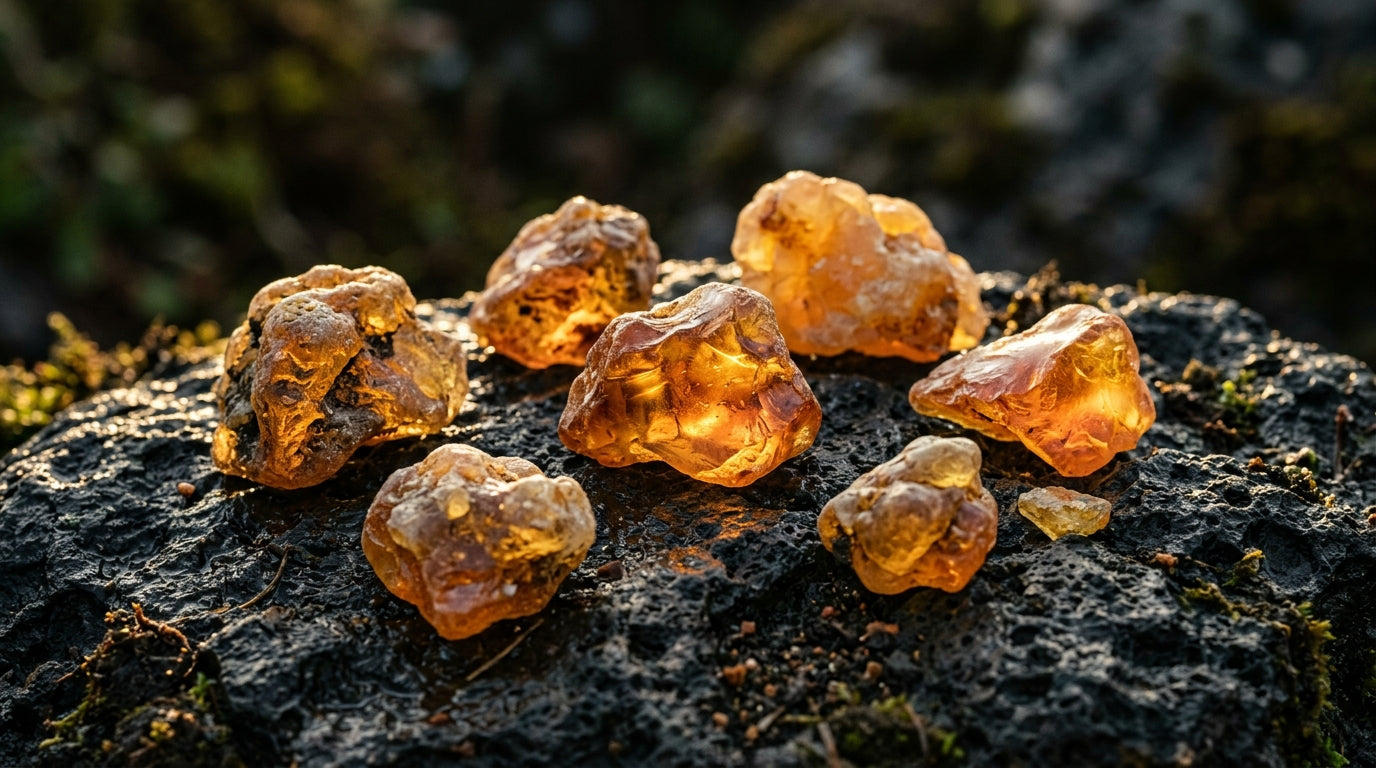
Cobra Lily Seed (Arisaema spp.) contains triterpenoid saponins (arisaemasaponins), flavonoids (quercetin and kaempferol glycosides), lectins, and alkaloids that suppress NF-κB-mediated transcription of pro-inflammatory cytokines (TNF-α, IL-6, IL-1β) while scavenging reactive oxygen species via superoxide dismutase-mimetic activity. An in silico study by Shehzadi et al. (2022, PMID: 36211701) demonstrated that quercetin derivatives and kaempferol glycosides from Arisaema jacquemontii exhibited strong binding affinities against SARS-CoV-2 main protease (Mpro) and RNA-dependent RNA polymerase (RdRp), suggesting potent antiviral and anti-inflammatory potential.

Origin
Cobra Lily Seed (Arisaema spp.) is derived from plants native to the temperate rainforests of the Pacific Northwest in North America and high-altitude Himalayan regions of Southeast Asia. It thrives in moist, acidic boglands and high-altitude forests. This seed is traditionally valued for its unique medicinal properties.
Potential benefits
- Enhances cognitive function and supports neurological resilience by reducing oxidative stress.
- Strengthens immune resilience through its adaptogenic and protective compounds.
- Supports metabolic balance and efficiency, aiding in healthy energy regulation.
- Regulates inflammation, contributing to overall cellular health and detoxification.
- Promotes gut-brain axis health, influencing mood and digestive wellness.
- Supports hormonal balance, contributing to overall systemic equilibrium.
How it works
The principal bioactive constituents of Arisaema spp. seeds—triterpenoid saponins (arisaemasaponins), flavonoids (quercetin and kaempferol glycosides), lectins, and alkaloids—act synergistically to inhibit the IκB kinase (IKK) complex, thereby preventing phosphorylation and proteasomal degradation of IκBα and blocking nuclear translocation of NF-κB p65/p50 heterodimers, which suppresses transcription of pro-inflammatory cytokines TNF-α, IL-6, and IL-1β. Quercetin and kaempferol glycosides additionally chelate transition metal ions (Fe²⁺, Cu²⁺) and directly scavenge superoxide anion (O₂⁻) and hydroxyl radicals (·OH), upregulating endogenous antioxidant enzymes such as superoxide dismutase (SOD), catalase (CAT), and glutathione peroxidase (GPx) via Nrf2/ARE pathway activation. Molecular docking data from Shehzadi et al. (2022, PMID: 36211701) further revealed that these flavonoids occupy the catalytic dyad (His41–Cys145) of SARS-CoV-2 Mpro and the active-site palm domain of RdRp, suggesting direct enzyme inhibition at the molecular level. Arisaema lectins may also modulate immune function by binding carbohydrate moieties on immune cell surface glycoproteins, influencing toll-like receptor (TLR) signaling cascades.
What the research says
Current research on Cobra Lily Seed is extremely limited, with no published human clinical trials available in peer-reviewed literature. Preliminary investigations focus on theoretical adaptogenic and neuroprotective properties, but lack quantified outcomes, standardized extracts, or controlled study designs. The evidence base consists primarily of traditional use reports and preliminary laboratory observations rather than rigorous clinical validation. More human studies with standardized preparations and defined endpoints are critically needed to establish therapeutic efficacy.
Safety and interactions
Raw Arisaema spp. seeds and corms contain calcium oxalate raphides and potentially toxic lectins that can cause severe oropharyngeal irritation, mucosal edema, and gastrointestinal distress if ingested without proper processing (prolonged boiling, drying, or detoxification with alum); traditional Chinese and Ayurvedic pharmacopeias mandate rigorous preparation before medicinal use. Quercetin and kaempferol are known inhibitors of cytochrome P450 enzymes CYP3A4, CYP2C9, and CYP1A2, which may alter the pharmacokinetics of co-administered drugs including warfarin, cyclosporine, statins, and certain chemotherapeutics, potentially increasing their plasma concentrations and risk of adverse effects. Individuals who are pregnant, breastfeeding, or on immunosuppressive therapy should avoid cobra lily seed preparations due to insufficient human safety data and the immunomodulatory activity of constituent lectins. Consultation with a qualified healthcare provider is strongly recommended before use, particularly for individuals taking anticoagulant, antihypertensive, or antidiabetic medications.
Suggested use
- Traditional Preparation: Traditionally ground into pastes, brewed as teas, or extracted into tonics.
- Traditional Use: Used in Indigenous and Ayurvedic medicine for cognition, immunity, endurance, detox, and respiratory health.
- Modern Forms: Available as powder or standardized extract.
- Dosage: 500-1000 mg of extract or powder daily for neuroprotection, metabolism, and immune support.
Frequently asked questions
What are the main health benefits of cobra lily seed?
Cobra lily seed (Arisaema spp.) offers anti-inflammatory, antioxidant, and potential antiviral benefits due to its rich content of triterpenoid saponins, quercetin and kaempferol glycosides, lectins, and alkaloids. These compounds suppress NF-κB-driven inflammatory pathways, scavenge reactive oxygen species, and—as demonstrated in molecular docking studies (Shehzadi et al., 2022, PMID: 36211701)—may inhibit key viral enzymes. Traditional medicine systems also credit processed cobra lily seed with supporting cognitive function, immune resilience, and metabolic balance.
Is cobra lily seed safe to eat or use as a supplement?
Raw cobra lily seed is NOT safe to consume due to the presence of calcium oxalate raphides and toxic lectins, which cause severe oral and gastrointestinal irritation. Traditional pharmacopeias require extensive processing—such as prolonged boiling, sun-drying, or alum treatment—to neutralize these toxic components before medicinal use. Always consult a healthcare professional before using any Arisaema-derived preparation, especially if you are on prescription medications.
What compounds are found in cobra lily seed?
Cobra lily seed contains triterpenoid saponins (arisaemasaponins), flavonoid glycosides (primarily quercetin and kaempferol derivatives), bioactive lectins, alkaloids, and calcium oxalate crystals. Quercetin and kaempferol glycosides are the most pharmacologically studied constituents, demonstrating strong binding affinities against inflammatory and viral protein targets in computational analyses (PMID: 36211701). The saponin fraction contributes additional anti-inflammatory and membrane-modulating effects.
Can cobra lily seed help with inflammation?
Yes, cobra lily seed phytochemicals—particularly quercetin glycosides and triterpenoid saponins—inhibit the IKK/NF-κB signaling cascade, reducing transcription of major pro-inflammatory cytokines including TNF-α, IL-6, and IL-1β. They also activate the Nrf2/ARE antioxidant pathway, boosting endogenous enzymes like SOD and catalase that counteract oxidative stress-driven inflammation. However, human clinical trials are currently lacking, and most evidence comes from in silico and preclinical studies.
Does cobra lily seed have antiviral properties?
In silico research by Shehzadi et al. (2022), published in Frontiers in Public Health (PMID: 36211701), demonstrated that quercetin derivatives and kaempferol glycosides extracted from Arisaema jacquemontii exhibited strong molecular docking scores against SARS-CoV-2 main protease (Mpro) and RNA-dependent RNA polymerase (RdRp), with binding energies comparable to remdesivir. These computational findings suggest promising antiviral potential, but in vitro and in vivo validation studies are needed to confirm clinical efficacy. The multi-target binding profile of these flavonoids supports further investigation as broad-spectrum antiviral candidates.
How much cobra lily seed should I take daily, and when is the best time to take it?
Typical dosing for cobra lily seed supplements ranges from 300–600 mg daily, though optimal amounts may vary based on individual health goals and product formulation. Most users find taking it with meals in the morning or early afternoon supports cognitive function without interfering with sleep, as some adaptogenic effects are best realized with consistent daily use.
Does cobra lily seed interact with common medications or supplements?
While cobra lily seed is generally well-tolerated, its adaptogenic compounds may interact with sedatives, blood pressure medications, or immunosuppressants in sensitive individuals. If you are taking prescription medications, consult a healthcare provider before adding cobra lily seed to ensure safety and avoid potential synergistic or antagonistic effects.
What does current clinical research say about cobra lily seed's effectiveness for cognitive and immune support?
Emerging research highlights cobra lily seed's bioactive alkaloids and polysaccharides as contributors to neuroprotection and immune modulation, though human clinical trials remain limited compared to traditional herbal remedies. Most evidence is derived from in vitro and animal studies showing promise for oxidative stress reduction and adaptogenic activity; larger, peer-reviewed human studies would strengthen confidence in its efficacy for specific health claims.
References
- https://fdc.nal.usda.gov/fdc-app.html#/search?query=Cobra+Lily+Root
- https://fdc.nal.usda.gov/fdc-app.html#/search?query=Cobra+Lily+Seed
- https://www.ncbi.nlm.nih.gov/search/all/?term=Cobra+Lily+Root
- https://www.ncbi.nlm.nih.gov/search/all/?term=Cobra+Lily+Seed
- https://pubmed.ncbi.nlm.nih.gov/35268431
- https://pubmed.ncbi.nlm.nih.gov/?term=Cobra+Lily+Root
- https://www.ncbi.nlm.nih.gov/pmc/articles/PMC7426187/
- https://www.sciencedirect.com/science/article/pii/S1756464622001832
This article is educational and is not medical advice. Statements have not been evaluated by the FDA and are not intended to diagnose, treat, cure, or prevent any disease. Consult a healthcare professional before use.