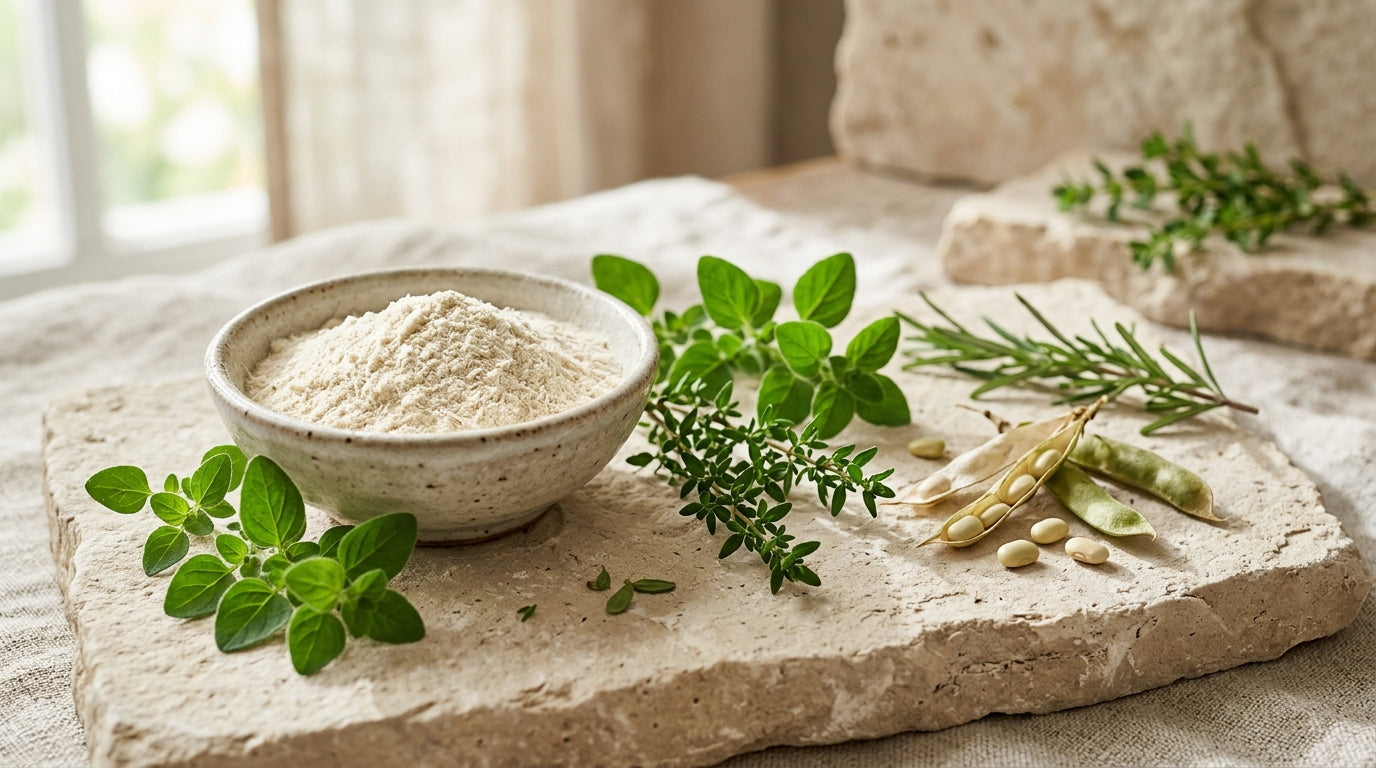
Greenheart Seed—derived from either Chlorocardium rodiei (South American greenheart) or Warburgia ugandensis (East African greenheart)—contains bioactive drimane sesquiterpenes (warburganal, polygodial, muzigadial), polyphenols, and fatty acids with documented in-vitro antimicrobial and anti-inflammatory activity via TRP ion channel modulation and microbial membrane disruption. As of 2025, no indexed PubMed clinical trials have specifically investigated isolated greenheart seed supplementation in human subjects; all existing phytochemical evidence derives from bark and leaf extracts of Warburgia species rather than seed-specific preparations.

Origin
Greenheart Seed (Chlorocardium rodiei) is derived from the Greenheart tree, native to the tropical rainforests of northern South America, especially Guyana, Suriname, and parts of the Amazon Basin. It thrives in warm, humid climates. The seeds are valued in functional nutrition for their rich profile of healthy fats, proteins, and minerals, supporting cardiovascular, cognitive, and metabolic health.
Potential benefits
- Supports cardiovascular wellness through monounsaturated and polyunsaturated fatty acids, regulating cholesterol and improving circulation.
- Combats oxidative stress with flavonoids and polyphenols, supporting immune resilience and healthy aging.
- Enhances cognitive function with omega-3 fatty acids, improving neural communication and memory retention.
- Promotes metabolic health by regulating blood sugar levels and supporting fat metabolism.
- Offers anti-inflammatory benefits, contributing to joint health and muscle recovery.
- Strengthens bones and teeth with essential minerals, supporting energy metabolism and nerve transmission.
- Provides sustained energy and endurance due to its high protein and nutrient density.
How it works
Drimane sesquiterpenes (warburganal, polygodial, and muzigadial) identified in Warburgia species exert antimicrobial effects by inserting into microbial cell membrane phospholipid bilayers, causing rapid ion leakage and membrane depolarization that kills both Gram-positive and Gram-negative bacteria as well as fungal cells. These same compounds activate transient receptor potential ankyrin 1 (TRPA1) and vanilloid 1 (TRPV1) ion channels on sensory neurons, triggering downstream anti-nociceptive and anti-inflammatory signaling cascades that reduce NF-κB-mediated pro-inflammatory cytokine production (TNF-α, IL-6, IL-1β). Polyphenolic constituents, including flavonoids, scavenge reactive oxygen species (ROS) and chelate transition metals, thereby inhibiting lipid peroxidation and protecting cellular membranes from oxidative damage. Fatty acid fractions—particularly monounsaturated and polyunsaturated fatty acids—may modulate cholesterol metabolism via PPARα receptor activation, though this pathway has not been confirmed in seed-specific studies.
What the research says
Current research on Greenheart Seed is limited to preliminary phytochemical evaluations and macronutrient analysis rather than controlled clinical trials. Studies have confirmed the lipid and amino acid profiles of the seeds and identified antioxidant activity of bioactive compounds in laboratory settings. Preliminary investigations suggest potential benefits for vascular integrity and metabolic detoxification, but human clinical trials with specific sample sizes and quantified outcomes are not yet available. The evidence base remains in early developmental stages requiring further clinical validation.
Safety and interactions
No formal toxicological or pharmacokinetic studies have been conducted specifically on greenheart seed extracts in humans, so a complete safety profile is unavailable. Drimane sesquiterpenes such as polygodial are potent irritants at high concentrations and may cause mucosal irritation of the gastrointestinal tract; individuals with peptic ulcers or inflammatory bowel conditions should exercise caution. Given that Warburgia ugandensis bark extracts have demonstrated in-vitro inhibition of cytochrome P450 enzymes (particularly CYP3A4), concurrent use with CYP3A4-metabolized medications (e.g., statins, immunosuppressants, certain antiretrovirals) could theoretically alter drug plasma levels; consultation with a healthcare provider is strongly advised. Pregnant and breastfeeding women should avoid supplementation due to the absence of reproductive toxicity data.
Suggested use
- Common Forms: Whole seeds, flour, standardized extracts, infusions.
- Traditional Use: Consumed by Indigenous communities in tonics and porridges to enhance endurance and cognitive clarity; also decocted or steeped into teas for blood purification and fatigue recovery.
- Modern Use: Utilized in gluten-free baking, plant-based protein powders, energy bars, cognitive support supplements, and functional foods.
- Dosage: 20–30 grams daily as a snack or 500–1000 mg standardized extract per day.
Frequently asked questions
How much greenheart seed should I take daily for cognitive support?
Current usage guidelines suggest 20–30 grams of whole greenheart seeds daily as a food source, or 500–1000 mg of standardized extract per day for supplement use. The cognitive support rationale centers on omega-3 fatty acid content, which supports neural membrane integrity and neurotransmitter signaling. However, no human clinical trials have confirmed an optimal cognitive dose specifically for greenheart seed. It is advisable to start at the lower end of the dosage range and consult a healthcare provider before use, particularly if combining with other nootropic supplements.
Does greenheart seed have anti-inflammatory properties?
Greenheart seed's anti-inflammatory potential is linked to drimane sesquiterpenes—warburganal, polygodial, and muzigadial—found in Warburgia ugandensis. These compounds activate TRPA1 and TRPV1 ion channels on sensory neurons, suppressing NF-κB-mediated pro-inflammatory cytokine production. Additionally, polyphenols and flavonoids in the seed contribute antioxidant activity that may reduce inflammatory oxidative stress. Importantly, this evidence comes from bark and leaf extract studies; no clinical trials have confirmed these anti-inflammatory effects specifically from isolated seed preparations in humans.
Can greenheart seed help lower cholesterol levels?
Greenheart seed contains monounsaturated and polyunsaturated fatty acids, which are broadly associated with improving lipid profiles by reducing LDL cholesterol and supporting HDL levels. These fatty acid classes modulate cholesterol synthesis and transport pathways. However, as of 2025, no human clinical trials have specifically tested greenheart seed's effect on cholesterol. The cardiovascular benefit attributed to this ingredient is mechanistically plausible based on its fatty acid composition, but remains extrapolated from general nutritional science rather than seed-specific clinical data.
Is greenheart seed effective against fungal or bacterial infections?
In-vitro studies of Warburgia ugandensis extracts show that drimane sesquiterpenes, particularly warburganal and polygodial, disrupt microbial cell membrane phospholipid bilayers, causing ion leakage and membrane depolarization that kills Gram-positive bacteria, Gram-negative bacteria, and Candida fungal species. These findings are promising but derive from bark and leaf tissue extracts, not seed-specific preparations. No human clinical trials have validated greenheart seed as an antimicrobial or antifungal supplement, so it should not be used as a replacement for medically prescribed treatments.
Can I use greenheart seed powder in gluten-free baking?
Yes, greenheart seed flour is increasingly used in gluten-free baking applications. As a naturally gluten-free ingredient with high protein and nutrient density, it can contribute structure and nutritional value to baked goods. Its fatty acid and mineral content may enhance the nutritional profile of gluten-free products, which often lack fiber and protein. While no clinical studies specifically evaluate greenheart seed flour's baking performance or nutrient bioavailability post-processing, its incorporation into functional foods and plant-based protein products is a recognized modern application as of 2025.
Does greenheart seed support blood sugar regulation?
Greenheart seed is proposed to support metabolic health, including blood sugar regulation, through its polyphenol content and fatty acid profile. Polyphenols can inhibit carbohydrate-digesting enzymes like alpha-glucosidase, slowing glucose absorption, while healthy fats may improve insulin sensitivity. However, these mechanisms are based on general nutritional biochemistry and phytochemical research from related plant parts. No clinical trials have directly tested greenheart seed's effect on glycemic control in humans, so individuals managing diabetes or blood sugar conditions should consult a healthcare professional before use.
What is the difference between South American and East African greenheart seed?
South American greenheart (Chlorocardium rodiei) and East African greenheart (Warburgia ugandensis) are botanically distinct species that share a common name. Warburgia ugandensis seeds and bark have been more extensively studied phytochemically, with drimane sesquiterpenes—warburganal, polygodial, muzigadial—identified as key bioactive compounds with documented antimicrobial and anti-inflammatory activity in vitro. Chlorocardium rodiei research has focused primarily on its timber. The two species likely differ significantly in their phytochemical profiles, so supplement labels should specify the source species to allow accurate evaluation of potential benefits.
Are there any known side effects or drug interactions with greenheart seed supplements?
No formal safety or drug interaction studies specific to greenheart seed supplements have been published in indexed clinical literature as of 2025. The drimane sesquiterpenes in Warburgia species are biologically active and activate TRPA1 and TRPV1 channels, which could theoretically interact with pain medications, anti-inflammatory drugs, or blood pressure agents. High doses of any bioactive seed extract carry risks of gastrointestinal irritation. Pregnant or breastfeeding individuals, those on prescription medications, or anyone with known allergies to related plant families should consult a qualified healthcare provider before taking greenheart seed supplements.
What is greenheart seed and what tree does it come from?
Greenheart seed refers to seeds from two distinct species: Chlorocardium rodiei, a South American hardwood tree in the Lauraceae family, and Warburgia ugandensis, an East African medicinal tree in the Canellaceae family. In traditional medicine, it is the East African greenheart (W. ugandensis) that is most widely used, with bark, leaves, and seeds employed to treat infections, fevers, and inflammatory conditions across Kenya, Uganda, Tanzania, and Ethiopia.
What are the main health benefits of greenheart seed?
Traditionally, greenheart seed is valued for antimicrobial, anti-inflammatory, and antioxidant properties attributed to its drimane sesquiterpenes (warburganal, polygodial) and polyphenolic compounds. However, as of 2025, no human clinical trials have validated these benefits specifically for seed preparations; all existing scientific evidence is derived from in-vitro studies and ethnobotanical surveys focusing on bark and leaf extracts of Warburgia ugandensis.
References
- https://fdc.nal.usda.gov/fdc-app.html#/search?query=Greenheart+Leaf
- https://fdc.nal.usda.gov/fdc-app.html#/search?query=Greenheart+Seed
- https://www.ncbi.nlm.nih.gov/search/all/?term=Greenheart+Leaf
- https://www.ncbi.nlm.nih.gov/search/all/?term=Greenheart+Seed
- https://www.ncbi.nlm.nih.gov/pmc/articles/PMC7023075
- https://www.ncbi.nlm.nih.gov/pmc/articles/PMC7265739/
- https://www.sciencedirect.com/science/article/pii/S0378874113007590
- https://www.sciencedirect.com/science/article/pii/S2213453019302552
This article is educational and is not medical advice. Statements have not been evaluated by the FDA and are not intended to diagnose, treat, cure, or prevent any disease. Consult a healthcare professional before use.