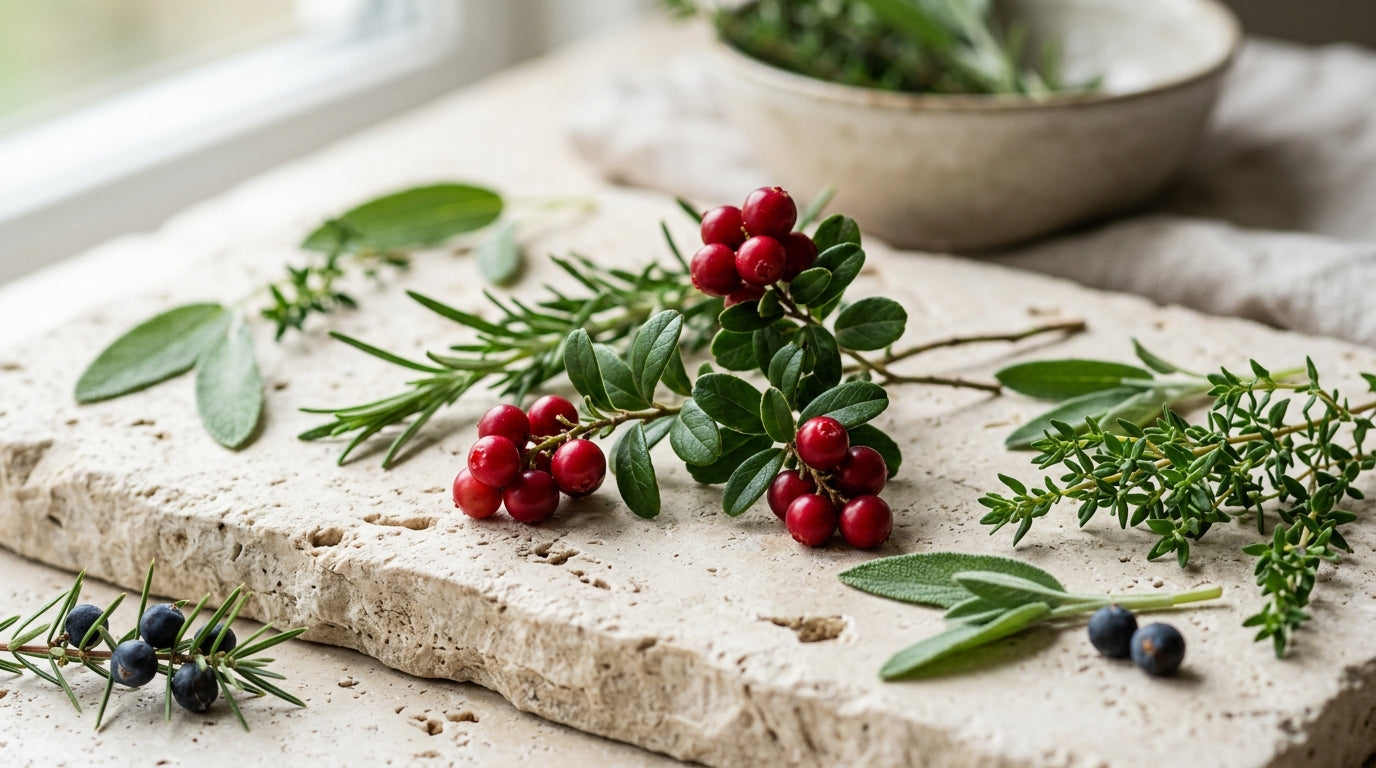
Lingonberry stem (Vaccinium vitis-idaea L.) contains 95 identified bioactive compounds including flavonoids and chlorogenic acid, though in lower concentrations than fruits and leaves. The flavonoids demonstrate antiproliferative activity against HeLa and HepG2 cancer cells through cell membrane penetration mechanisms.

Origin
Lingonberry Stem (Vaccinium vitis-idaea) is derived from the evergreen dwarf shrub thriving in the boreal forests and alpine tundra of Northern Europe, Russia, and North America. This hardy plant is valued in functional nutrition for its concentrated bioactive compounds found within its resilient stems.
Potential benefits
- Reduces systemic inflammation by modulating inflammatory pathways, supporting overall cellular health.
- Enhances antioxidant defense through its rich content of proanthocyanidins, protecting cells from oxidative stress.
- Supports urinary tract health by inhibiting bacterial adhesion to bladder walls.
- Modulates immune function, contributing to the body's natural defense mechanisms.
- Aids in liver detoxification processes, promoting the elimination of metabolic waste.
- Contributes to blood sugar balance by influencing glucose metabolism.
- Promotes skin healing and integrity through its astringent and antioxidant properties.
How it works
Lingonberry stem's flavonoids penetrate cell membranes to exert antiproliferative effects, showing negative correlation with IC50 values in cancer cell lines (r = −0.544 for HeLa cells, r = −0.448 for HepG2 cells). Chlorogenic acid contributes to antioxidant activity measured by absorbance differences, though specific molecular pathways remain undefined. The bioactive compounds are primarily concentrated in the bark portion of the stem.
What the research says
No human clinical trials have been conducted specifically on lingonberry stem extracts. Research is limited to phytochemical profiling studies using UPLC-Q-Exactive Orbitrap MS methodology and in vitro antiproliferative assays against cancer cell lines. While related lingonberry fruit studies show quantified antioxidant gene upregulation in adipocytes (SOD2 +568%, catalase +311%), stem-specific efficacy data remains insufficient. Current evidence consists entirely of preclinical laboratory studies without human safety or efficacy validation.
Safety and interactions
No safety data, drug interactions, or contraindications have been established specifically for lingonberry stem due to lack of human studies. The preclinical research focus indicates insufficient evaluation of human safety profiles, toxicity thresholds, or potential adverse effects. While related lingonberry leaf research notes arbutin as cytotoxic yet non-toxic, stems lack detailed toxicological assessment. Pregnant or nursing women and individuals on medications should consult healthcare providers before use due to absent safety data.
Suggested use
- Common forms: Air-dried stem powder, decoctions, tinctures, topical balms.
- Dosage: 500–1000 mg of stem powder daily.
- Preparation: For decoction, simmer 1 tsp of dried stem in water for 10–15 minutes.
- Timing: Can be consumed daily as part of a wellness routine.
Frequently asked questions
What bioactive compounds are found in lingonberry stems?
Lingonberry stems contain 95 identified bioactive compounds including flavonoids and chlorogenic acid, though in lower concentrations than fruits and leaves. The active compounds are primarily concentrated in the bark portion of the stem.
Are there any clinical studies on lingonberry stem benefits?
No human clinical trials have been conducted on lingonberry stem extracts. Current research is limited to phytochemical profiling and in vitro laboratory studies without human efficacy validation.
How do lingonberry stems compare to other plant parts?
Lingonberry stems contain fewer bioactive compounds overall compared to fruits and leaves. While stems have similar chlorogenic acid content, they have significantly lower flavonoid concentrations than other plant parts.
Is lingonberry stem safe to consume?
Safety data for lingonberry stem consumption has not been established due to lack of human studies. No toxicity assessments or drug interaction profiles are available for stems specifically.
What is the antioxidant activity of lingonberry stems?
Lingonberry stems demonstrate measurable antioxidant activity through absorbance difference assays, primarily attributed to flavonoids and chlorogenic acid. However, the antioxidant capacity is lower than that of lingonberry fruits and leaves.
What is the recommended daily dosage of lingonberry stem extract?
Typical dosages for lingonberry stem supplements range from 300–500 mg daily, though optimal amounts may vary based on individual health goals and product concentration. It is advisable to follow the manufacturer's recommendations or consult with a healthcare provider to determine the appropriate dose for your specific needs, as standardized clinical dosing guidelines are still being established.
Can lingonberry stem supplements interact with antibiotics or blood thinners?
While lingonberry stem is generally well-tolerated, its potential effects on bacterial adhesion and inflammatory pathways warrant caution when combined with antibiotics or anticoagulant medications. Individuals taking prescription medications, particularly blood thinners or antibiotics for UTI treatment, should consult their healthcare provider before adding lingonberry stem supplements to avoid potential interactions.
Who is most likely to benefit from lingonberry stem supplementation?
Lingonberry stem supplements may be particularly beneficial for individuals prone to recurrent urinary tract infections, those seeking enhanced antioxidant support, or people managing chronic inflammatory conditions. However, pregnant women, nursing mothers, and those with specific medication regimens should seek professional medical advice before use to ensure safety and appropriateness for their individual circumstances.
References
- https://www.ncbi.nlm.nih.gov/search/all/?term=Lingonberry+Stem
- https://www.ncbi.nlm.nih.gov/pmc/articles/PMC7518632
- https://www.sciencedirect.com/science/article/pii/S2221169118301977
- https://pubmed.ncbi.nlm.nih.gov/29780458
This article is educational and is not medical advice. Statements have not been evaluated by the FDA and are not intended to diagnose, treat, cure, or prevent any disease. Consult a healthcare professional before use.