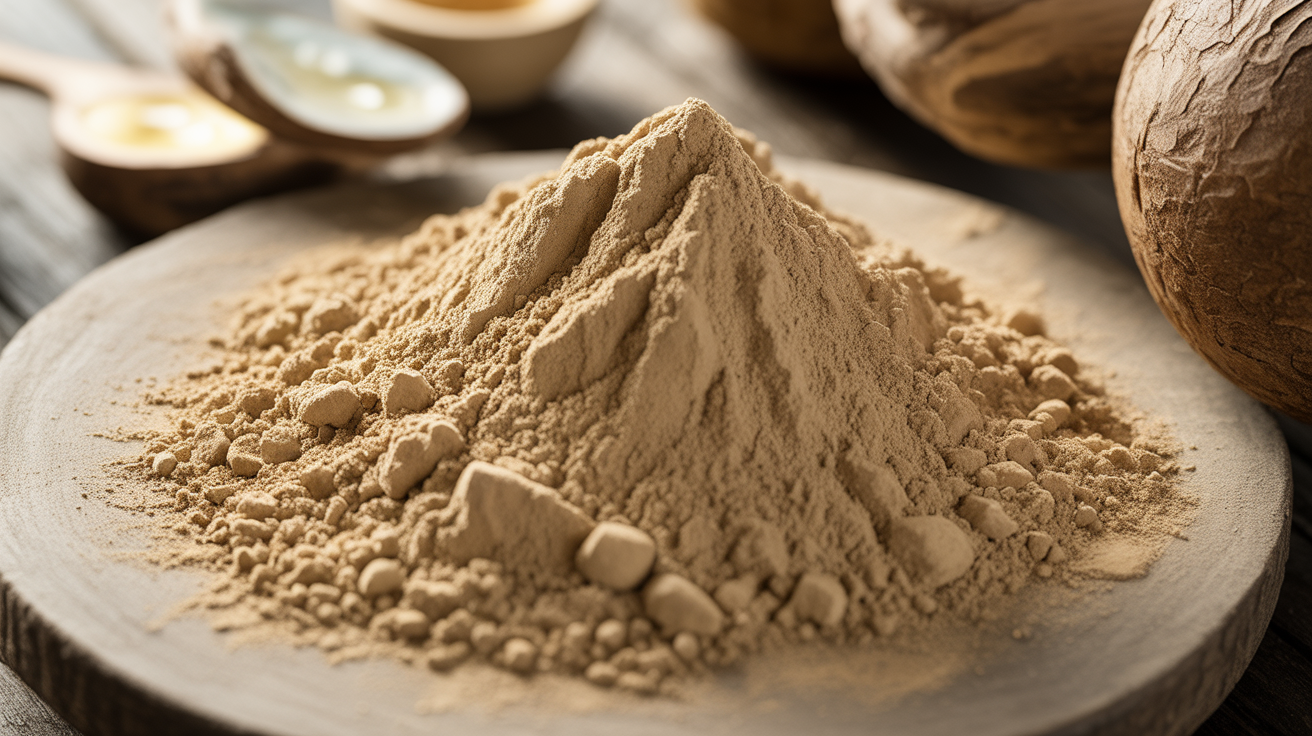
Fermented eggplant (Solanum melongena) undergoes brine fermentation that significantly increases total phenolic content and flavonoids while reducing anti-nutrients like tannins and phytates. The fermentation process enhances DPPH free radical scavenging activity and FRAP ferric reducing antioxidant power through biosynthesis of reduced phenolics.

Origin
Fermented eggplant is made by lacto-fermenting the fruit of Solanum melongena, a versatile vegetable native to South Asia. This traditional preparation enhances eggplant’s nutritional profile by introducing probiotics while preserving its tender texture and umami-rich flavor. Popular in Mediterranean and Middle Eastern cuisines, it supports digestive, cardiovascular, and skin health.
Potential benefits
- Balances gut microbiota and supports digestion by providing beneficial probiotics.
- Reduces oxidative stress through its rich content of nasunin and phenolic compounds.
- Supports heart health and blood pressure regulation due to its high potassium content.
- Supports liver function and aids in toxin elimination, facilitating detoxification.
- Reduces systemic inflammation, benefiting joint and immune health.
- Enhances satiety and supports weight management as it is low in calories and high in fiber.
- Promotes skin repair and protection from environmental stressors through its antioxidant properties.
How it works
Fermentation increases total phenolic content and flavonoids through biosynthesis of reduced phenolics facilitated by sugar supplementation. These compounds scavenge superoxide and hydroxyl radicals by blocking ferrous ions (Fe³⁺) and provide fiber-aided toxin reduction during digestion. The enhanced anthocyanins in fermented eggplant peels contribute additional antioxidant activity measured through DPPH and FRAP assays.
What the research says
No human clinical trials specifically testing fermented eggplant have been conducted to date. Laboratory studies demonstrate that 8-day brine fermentation significantly increases phenolic compounds and antioxidant capacity compared to raw eggplant, with optimal benefits achieved by day 6-8. Related fermented plant studies in C. elegans models show bioactive peptides can extend lifespan and improve oxidative stress resistance via Nrf2 pathway activation. Current evidence remains limited to in vitro and animal model research.
Safety and interactions
Fermentation significantly reduces anti-nutrients including tannins, phytates, oxalates, and steroidal glycoalkaloids, improving overall safety compared to raw eggplant. No specific drug interactions, contraindications, or adverse events have been reported for fermented eggplant in available literature. Bioactive peptides from fermented plants are described as low-risk alternatives to synthetic compounds. Pregnant and breastfeeding women should consult healthcare providers before consuming fermented eggplant due to limited safety data in these populations.
Suggested use
- Slice eggplant into strips or rounds.
- Prepare a brine with 2 tbsp sea salt and 4 cups water.
- Add garlic, dill, or spices and submerge eggplant in brine.
- Ferment for 5–7 days at room temperature, ensuring full submersion.
- Use in salads, wraps, or bowls for a tangy, probiotic-rich boost.
- Recommended intake: 2–3 tablespoons daily.
- Store refrigerated in an airtight container.
Frequently asked questions
How long does it take to ferment eggplant for maximum benefits?
Research shows that 8-day brine fermentation significantly increases phenolic compounds and antioxidant activity. Optimal benefits are achieved by day 6-8 of fermentation, with no significant differences in antioxidant properties between these timepoints.
What compounds make fermented eggplant more beneficial than raw eggplant?
Fermentation increases total phenolic content, flavonoids, and anthocyanins while reducing harmful anti-nutrients like tannins, phytates, and oxalates. The process also enhances DPPH free radical scavenging activity and FRAP ferric reducing antioxidant power compared to raw eggplant.
Is fermented eggplant safe to consume regularly?
Fermentation actually improves safety by significantly reducing anti-nutrients that can interfere with mineral absorption. No adverse events or drug interactions have been reported, though bioactive peptides from fermented plants are considered low-risk alternatives to synthetic compounds.
Can fermented eggplant help with digestive health?
The fermentation process introduces beneficial probiotics that support gut microbiota balance and digestion. The enhanced fiber content aids in toxin elimination, while reduced anti-nutrients improve nutrient bioavailability compared to raw eggplant.
What's the difference between fermented gboma eggplant and regular eggplant?
Gboma eggplant (Solanum macrocarpon) is a specific variety used in brine-pickling studies, while regular eggplant refers to Solanum melongena. Both species show similar increases in phenolic compounds and antioxidant activity when fermented through brine pickling processes.
Who benefits most from fermented eggplant supplementation?
Fermented eggplant is particularly beneficial for individuals with compromised gut health, those seeking natural anti-inflammatory support, and people looking to enhance cardiovascular function through dietary means. It's especially valuable for those with dietary restrictions who may struggle to obtain adequate probiotics and antioxidants from other sources, as well as individuals managing oxidative stress-related conditions.
What is the recommended daily dosage of fermented eggplant?
Typical fermented eggplant supplementation ranges from 500–1,500 mg daily, though optimal dosage depends on the product's probiotic CFU count and concentration of active compounds. It's advisable to start with lower doses to allow your digestive system to acclimate to the probiotics, then gradually increase as tolerated, or follow the manufacturer's specific recommendations on the product label.
Does fermented eggplant interact with blood pressure or heart medications?
Fermented eggplant contains significant potassium and compounds that support blood pressure regulation, which may have additive effects with antihypertensive medications. Individuals taking blood pressure or heart medications should consult with their healthcare provider before supplementing with fermented eggplant to avoid potential interactions or the need for medication adjustments.
References
- https://www.ncbi.nlm.nih.gov/search/all/?term=Fermented+Eggplant
- https://fdc.nal.usda.gov/fdc-app.html#/search?query=Fermented+Eggplant
This article is educational and is not medical advice. Statements have not been evaluated by the FDA and are not intended to diagnose, treat, cure, or prevent any disease. Consult a healthcare professional before use.