Guatemalan Pacaya Palm flower contains high concentrations of phenolic compounds (up to 14,851 μg EAG/g) and myo-inositol that enhance antioxidant enzyme activity and inhibit glucose metabolism enzymes. These bioactive compounds upregulate redox-related genes and scavenge reactive oxygen species through superoxide dismutase activation.

Origin
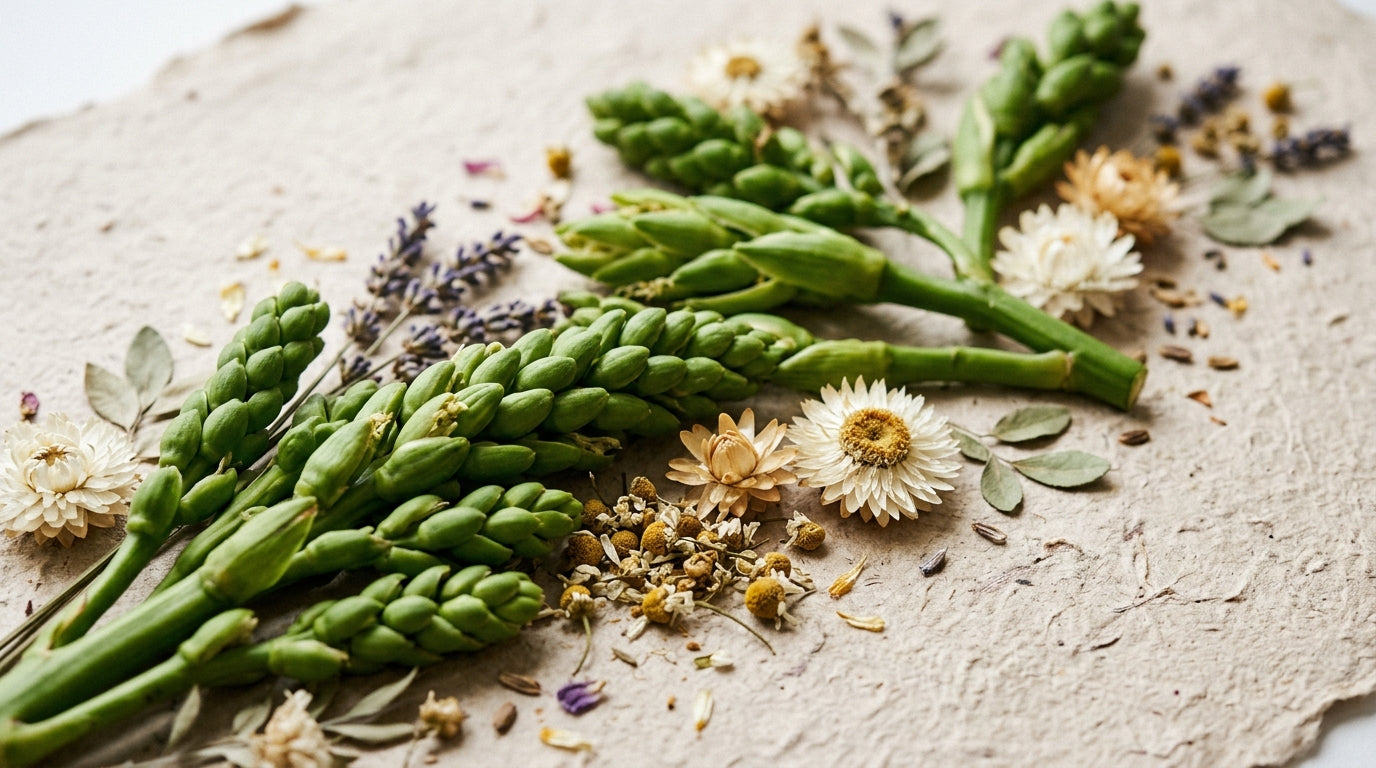
The Guatemalan Pacaya Palm (Chamaedorea tepejilote) is a species native to the tropical rainforests and volcanic highlands of Central America, particularly Guatemala, El Salvador, and Honduras. Its edible flower buds are a staple in indigenous cuisines and traditional medicine. This botanical is valued for its rich nutritional profile and diverse functional benefits.
Potential benefits
- Supports gut microbiome balance and promotes digestive regularity.
- Contributes to cholesterol regulation and cardiovascular function.
- Aids in liver detoxification processes.
- Reduces systemic inflammation.
- Modulates metabolism and supports healthy blood sugar levels.
- Contributes to hormonal balance and stress resilience.
How it works
The flower's phenolic compounds inhibit α-amylase and DPP-IV enzymes involved in glucose metabolism, while myo-inositol enhances reactive oxygen species scavenging by boosting superoxide dismutase activity and reducing H₂O₂ levels. These mechanisms involve upregulation of redox-related genes, particularly the NFXL2 orthologue, along with secondary metabolism and transport gene pathways.
What the research says
Current research is limited to in vitro enzyme inhibition studies and gene expression analysis showing 408 differentially expressed genes in cultivated forms. No human clinical trials have been conducted to validate therapeutic effects. Studies focus on compositional analysis demonstrating phenolic yields and sugar accumulation patterns, with antioxidant activity confirmed through laboratory enzyme assays. Further human clinical trials are essential to establish safety profiles and therapeutic efficacy.
Safety and interactions
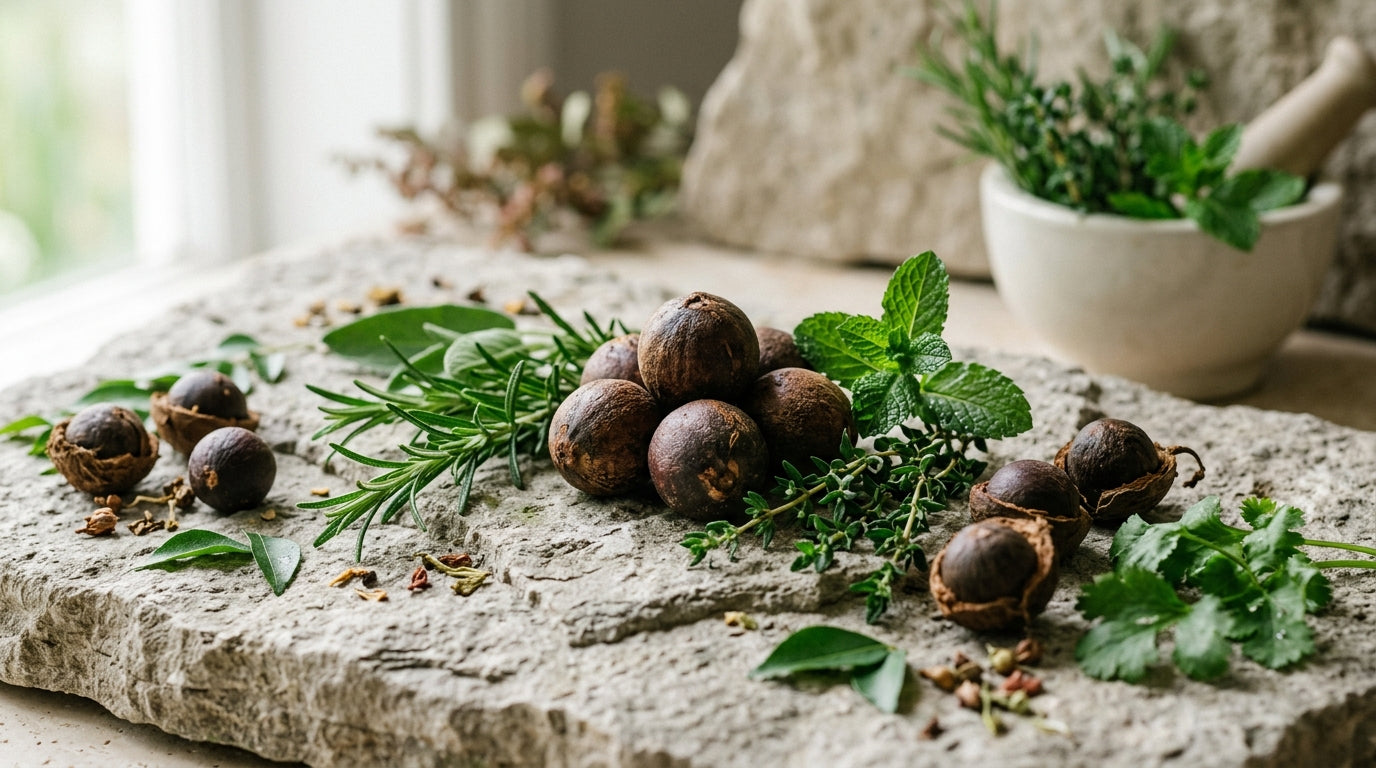
The edible flower clusters are safely consumed as food after brief boiling with no reported adverse effects in ethnographic studies. However, the small black fruits of the plant are probably toxic and should be avoided. No specific drug interactions or contraindications have been documented, though this may reflect limited clinical research rather than confirmed safety. Pregnant and nursing women should exercise caution due to insufficient safety data.
Suggested use
- Traditional: Steamed or roasted, used in nutrient-rich stews and tonics by Mayan and Indigenous cultures.
- Fresh Buds: Consume 1–2 servings daily.
- Standardized Extract: Take 500–1000 mg daily.
Frequently asked questions
What parts of the Guatemalan Pacaya Palm are safe to eat?
Only the unopened male inflorescences (flower clusters) are safe for consumption after brief boiling. The small black fruits are probably toxic and should never be eaten.
How much phenolic content is found in Pacaya palm flowers?
Water extracts contain 14,340-14,851 μg EAG/g of phenolic compounds, with the highest concentration (14,851.68 ± 94.36 μg EAG/g) achieved through hydrothermal processing. These phenolics are responsible for the plant's antioxidant activity.
What does Pacaya palm flower taste like?
The boiled flower clusters have a texture similar to baby corn and are commonly eaten as a vegetable in Central American cuisine. They require brief boiling before consumption to ensure safety.
Are there any clinical studies on Pacaya palm's health benefits?
No human clinical trials have been conducted on Pacaya palm flowers. Current research is limited to in vitro enzyme studies and gene expression analysis, making human clinical trials essential for validating therapeutic claims.
What is the scientific classification of Guatemalan Pacaya Palm?
The scientific name is Chamaedorea tepejilote, belonging to the Arecaceae family. It's a Neotropical palm species native from Mexico to Colombia, with Guatemala being a primary harvesting region.
Is Guatemalan Pacaya Palm flower safe to take with diabetes medications?
Guatemalan Pacaya Palm flower may interact with diabetes medications due to its blood sugar-modulating properties, potentially enhancing their effects and lowering glucose levels further. It is essential to consult with a healthcare provider before combining Pacaya palm supplements with metformin, sulfonylureas, or insulin to avoid hypoglycemic episodes. Blood sugar monitoring should be increased if both are used concurrently. Your doctor may need to adjust medication dosages based on your response.
What is the recommended daily dosage of Guatemalan Pacaya Palm flower supplement?
Standard dosing recommendations for Guatemalan Pacaya Palm flower extract typically range from 300–600 mg daily, though optimal doses vary based on extract concentration and individual health goals. Most clinical applications suggest dividing the dose into 2–3 servings taken with meals to support digestive regularity and nutrient absorption. Since standardized clinical guidelines are still emerging, starting with lower doses and gradually increasing is advisable. Always follow the manufacturer's recommended dosage on the product label or consult a healthcare practitioner for personalized dosing.
Who should avoid taking Guatemalan Pacaya Palm flower supplements?
Pregnant and breastfeeding women should avoid Guatemalan Pacaya Palm flower until more safety data is available, as its hormonal-balancing properties have not been thoroughly studied in these populations. Individuals taking anticoagulant medications, cholesterol-lowering drugs, or blood sugar regulators should consult a healthcare provider before supplementation due to potential interaction risks. Those with known allergies to palm species or the Arecaceae family should also avoid this ingredient. People with liver disease should exercise caution given the ingredient's liver-supporting function, which could alter detoxification pathways.
References
- https://www.ncbi.nlm.nih.gov/search/all/?term=Guatemalan+Pacaya+Palm
- https://fdc.nal.usda.gov/fdc-app.html#/search?query=Guatemalan+Pacaya+Palm
This article is educational and is not medical advice. Statements have not been evaluated by the FDA and are not intended to diagnose, treat, cure, or prevent any disease. Consult a healthcare professional before use.