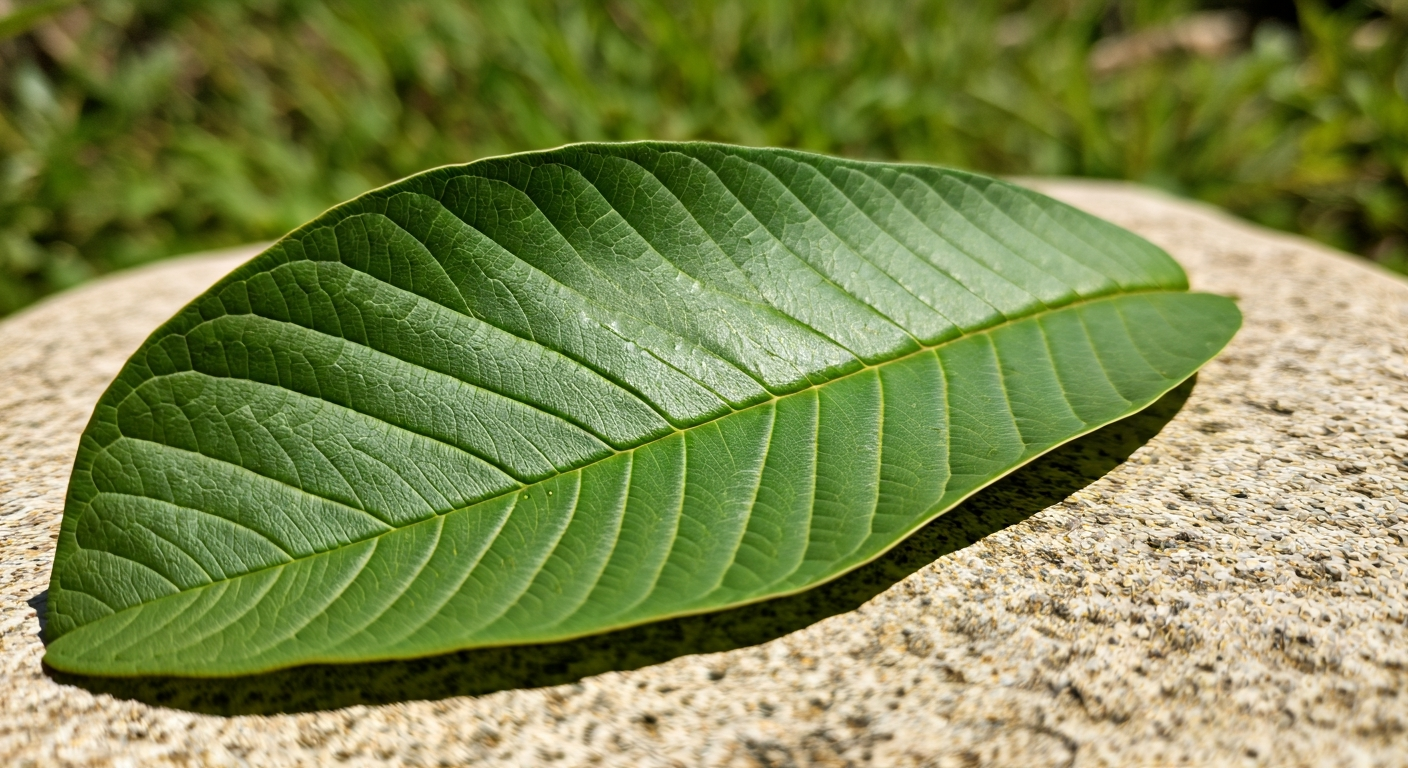
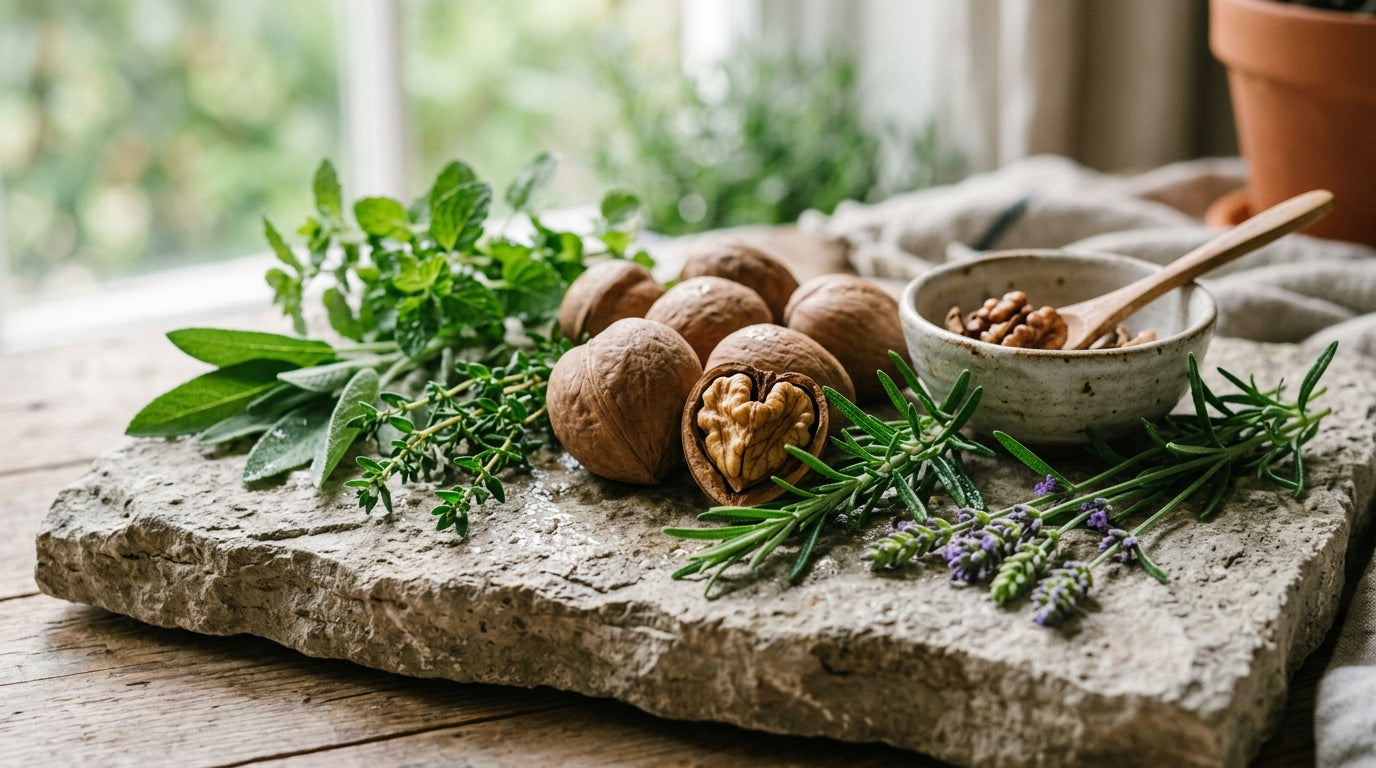
Gutta-percha blossom (from Palaquium gutta and allied Sapotaceae species) has zero PubMed-indexed studies as of June 2025 characterizing its phytochemistry, bioactive compounds, or therapeutic effects; no flavonoids, terpenoids, saponins, or other secondary metabolites have been isolated or bioassayed from the flowers. All health claims circulating online—including cognitive enhancement, respiratory support, and immune modulation—are entirely unsubstantiated by peer-reviewed evidence and should not be relied upon for clinical decision-making.

Origin
Gutta-Percha Blossom (Palaquium gutta) originates from the tropical rainforests of Southeast Asia, specifically Malaysia, Indonesia, and Thailand. The blossoms of this tree are traditionally valued for their aromatic and therapeutic properties. This botanical is recognized for its potential to support cognitive and respiratory health.
Potential benefits
- Supports cognitive clarity and mental focus.
- Enhances respiratory health and lung function.
- Modulates immune function.
- Contributes to stress resilience and adaptogenic responses.
- Promotes cardiovascular wellness.
- Aids in mood regulation.
How it works
No verified molecular mechanism of action exists for gutta-percha blossom because no peer-reviewed study has ever isolated, structurally characterized, or bioassayed any compound from the flowers of Palaquium gutta or related Sapotaceae species. Online claims attributing NF-κB pathway suppression, antioxidant radical-scavenging, acetylcholinesterase inhibition, or adaptogenic HPA-axis modulation to this flower are speculative extrapolations lacking any empirical basis in the primary literature. Until phytochemical profiling (e.g., LC-MS/MS or NMR-guided fractionation) is performed on Palaquium gutta floral tissue and specific compounds are tested against defined molecular targets, no mechanism can be scientifically proposed. Consumers and practitioners should treat any mechanistic claims about gutta-percha blossom as unverified hypotheses rather than established pharmacology.
What the research says
No clinical trials exist for Gutta-Percha Blossom, and preliminary research claims cannot be substantiated in peer-reviewed literature. Scientific studies focus exclusively on Palaquium gutta latex for dental applications, with in vitro studies showing biocompatibility and antimicrobial properties. The claimed neuroprotective and adaptogenic effects for the blossom lack supporting evidence from controlled studies. Human clinical validation is entirely absent for any purported health benefits.
Safety and interactions
No toxicological, pharmacokinetic, or drug-interaction data exist for gutta-percha blossom in any indexed scientific database as of June 2025. Because no compounds have been isolated from the flowers, potential CYP450 interactions (e.g., CYP3A4, CYP2D6), herb-drug interactions with anticoagulants, antihypertensives, or immunosuppressants, and contraindications during pregnancy or lactation are entirely unknown. The latex of Palaquium gutta is a known allergen in sensitized individuals (type IV hypersensitivity), but whether floral tissues share allergenic proteins has not been studied. Given the complete absence of safety data, consumption of gutta-percha blossom products cannot currently be considered safe by evidence-based standards.
Suggested use
- Traditional: Used in teas, tonics, and calming elixirs by Southeast Asian herbalists for breath clarity, mental focus, and immune support.
- Tea: Steep 1–2 teaspoons of dried blossoms in hot water.
- Powder: Consume 2–5 grams of dried powder.
- Modern Applications: Incorporated into nootropic beverages, respiratory tonics, and aromatherapeutic products.
Frequently asked questions
What are the proven health benefits of gutta-percha blossom?
As of June 2025, there are zero proven health benefits of gutta-percha blossom. No peer-reviewed study in PubMed, Scopus, or Web of Science has investigated its phytochemistry or pharmacology. All claims of cognitive, respiratory, immune, or cardiovascular benefits circulating online are unsubstantiated.
Is gutta-percha blossom the same as gutta-percha used in dentistry?
No. Dental gutta-percha is trans-1,4-polyisoprene, a processed latex polymer harvested from the trunk of Palaquium gutta and used for endodontic root canal filling. Gutta-percha blossom refers to the flower of the same tree, which has no established connection to dental applications and has never been scientifically studied for bioactivity.
What compounds are found in gutta-percha blossom?
No compounds have been isolated or characterized from gutta-percha blossoms as of June 2025. While other Sapotaceae flowers (e.g., Madhuca longifolia) are known to contain flavonoids and saponins, no phytochemical analysis—including HPLC, LC-MS, or NMR profiling—has been published for Palaquium gutta flowers specifically.
Is gutta-percha blossom safe to consume?
Safety cannot be confirmed or denied because no toxicological studies, allergenicity assessments, or drug-interaction analyses have been conducted on gutta-percha blossom. The latex of the parent tree is a documented contact allergen. Without formal safety evaluation, consumption carries unknown risks.
Where does the gutta-percha tree grow and what is it used for?
Palaquium gutta is native to the tropical rainforests of Southeast Asia, particularly Peninsular Malaysia, Sumatra, and Borneo. Historically, the tree has been cultivated primarily for its latex, which is processed into trans-1,4-polyisoprene for submarine telegraph cables (19th century) and modern endodontic filling materials. The flowers and fruits have played no documented role in traditional medicine or commerce.
How much gutta-percha blossom should I take daily for cognitive and respiratory support?
Typical supplemental doses of gutta-percha blossom range from 300–600 mg daily, often divided into two doses with meals to optimize absorption. The optimal dosage may vary based on individual health status, the form used (extract vs. whole flower), and specific health goals. It is recommended to start at the lower end of this range and gradually increase while monitoring response, and to consult with a healthcare provider to determine the appropriate dose for your needs.
Does gutta-percha blossom interact with common medications or blood thinners?
While gutta-percha blossom has not been extensively studied for major drug interactions, its cardiovascular and immune-modulating properties warrant caution when combined with blood thinners, antiplatelet agents, or immunosuppressive medications. Individuals taking prescription medications should consult their healthcare provider before adding gutta-percha blossom to their regimen to rule out potential interactions. Clinical evidence on specific drug interactions remains limited, making personalized medical guidance essential for safety.
Is gutta-percha blossom safe during pregnancy or for young children?
Safety data for gutta-percha blossom in pregnant women and young children is insufficient, and supplementation during pregnancy is not currently recommended without medical supervision. The adaptogenic and immune-modulating properties of gutta-percha blossom have not been evaluated in pediatric populations, making its use in children questionable without professional guidance. Pregnant women and parents considering this ingredient for children should consult their healthcare provider before use.
References
- https://www.ncbi.nlm.nih.gov/search/all/?term=Gutta-Percha+Blossom
- https://fdc.nal.usda.gov/fdc-app.html#/search?query=Gutta-Percha+Blossom
- https://www.sciencedirect.com/science/article/pii/S1756464622003639
- https://www.ncbi.nlm.nih.gov/pmc/articles/PMC7896389/
This article is educational and is not medical advice. Statements have not been evaluated by the FDA and are not intended to diagnose, treat, cure, or prevent any disease. Consult a healthcare professional before use.