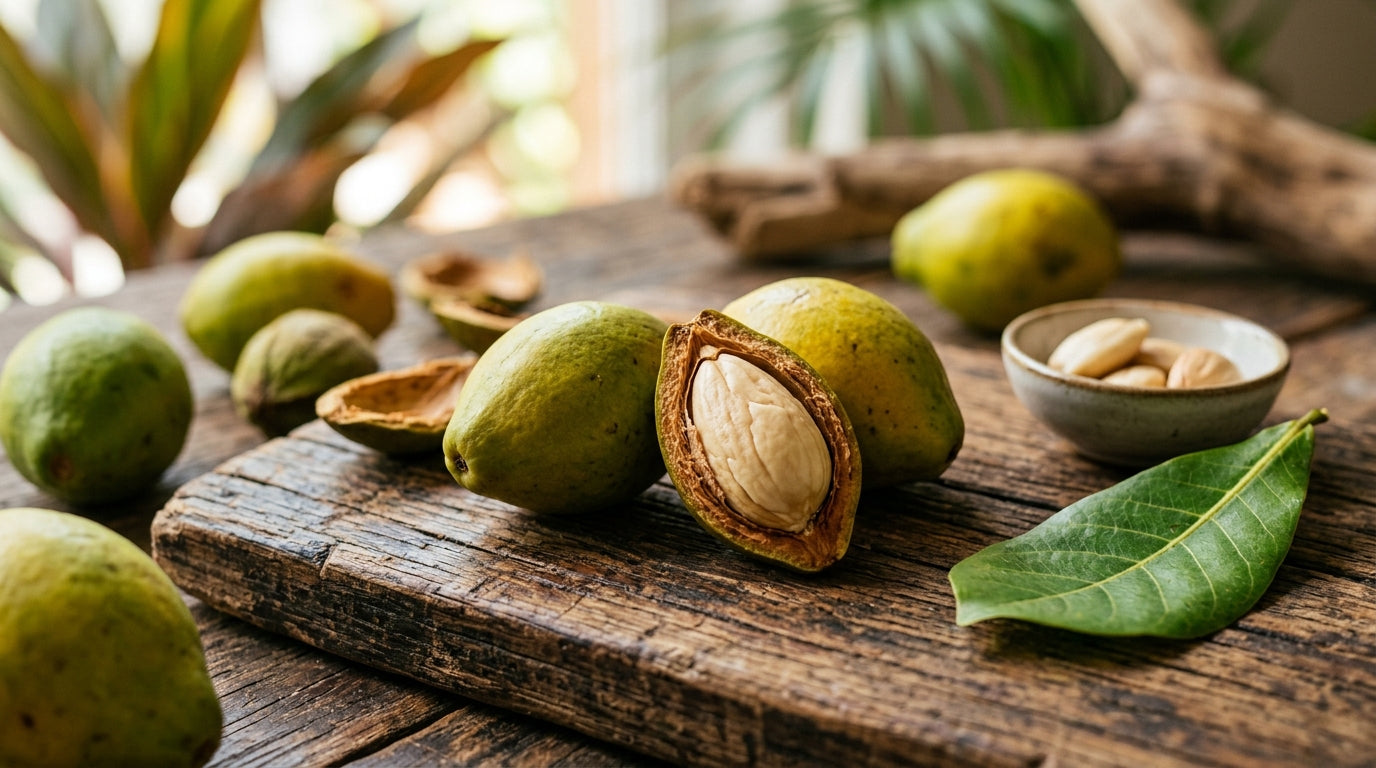
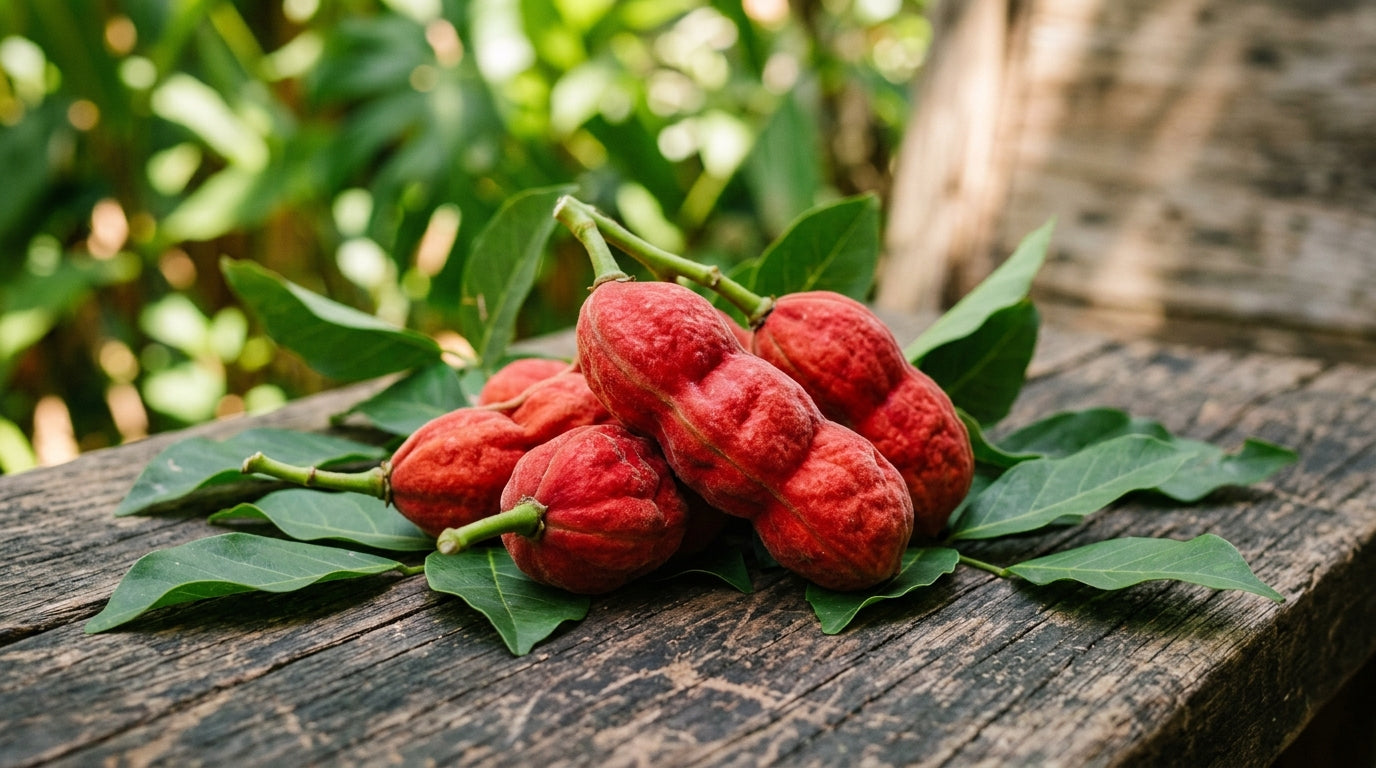
Indian Breadroot (Psoralea esculenta) delivers sustained energy through complex carbohydrates and resistant starches that support glucose regulation. Its dietary fiber content promotes digestive health by enhancing gut motility and supporting beneficial microbiota.

Origin
Indian Breadroot (Psoralea esculenta) is a perennial plant native to the Great Plains and Rocky Mountain regions of North America. It produces nutrient-dense, starchy tubers that have been a vital food source for Indigenous communities for centuries. This resilient root offers sustained energy and essential nutrients, making it valuable for functional nutrition and food security.
Potential benefits
- Provides sustained energy through complex carbohydrates and slow-releasing starches, supporting metabolic function.
- Supports digestive health by supplying dietary fiber, promoting gut motility and regularity.
- Aids immune resilience and tissue repair through its vitamin C content.
- Enhances electrolyte balance and muscle function with essential minerals like potassium and magnesium.
- Contributes to bone health with trace minerals, including calcium and phosphorus.
- Offers a nutrient-dense, shelf-stable food source, valuable for long-term sustenance.
How it works
Complex carbohydrates and resistant starches in Indian Breadroot undergo slow enzymatic breakdown by pancreatic amylase, resulting in gradual glucose release and sustained energy without rapid insulin spikes. Dietary fiber components stimulate mechanoreceptors in intestinal walls, promoting peristalsis and supporting beneficial gut bacteria through prebiotic fermentation. Potassium and magnesium content supports cellular membrane potential and muscle contraction through sodium-potassium ATPase pump regulation.
What the research says
Clinical evidence for Indian Breadroot remains limited to ethnobotanical documentation and nutritional composition studies rather than controlled trials. Historical records extensively document its use as a primary carbohydrate source among Great Plains Indigenous populations for centuries. Modern nutritional analysis confirms significant complex carbohydrate content (60-70% dry weight) and moderate fiber levels (8-12%), but no randomized controlled trials have evaluated specific therapeutic outcomes. Current research focuses primarily on food security applications and nutritional sustainability rather than clinical efficacy.
Safety and interactions
Indian Breadroot appears generally safe when consumed as a traditional food source, with centuries of documented use without significant adverse effects. No specific drug interactions or contraindications have been clinically documented, though individual allergic reactions to legume family plants remain possible. Pregnant and breastfeeding women should consult healthcare providers before use, as safety data during pregnancy is unavailable. Raw consumption should be avoided due to potential digestive irritation from unprocessed starches and naturally occurring plant compounds.
Suggested use
- Whole Tubers: Can be roasted, boiled, or steamed as a starchy base in meals.
- Dried & Ground: Dehydrate and grind into flour for gluten-free baking or thickening agents.
- Traditional Consumption: Historically consumed as a staple food, particularly during winter months or ceremonial gatherings.
- Dosage: As a whole food, consumed in quantities similar to other root vegetables; no specific medicinal dosage established for modern supplementation.
Frequently asked questions
How does Indian Breadroot compare nutritionally to potatoes?
Indian Breadroot contains higher levels of complex carbohydrates (60-70%) compared to potatoes and provides more sustained energy release. It also contains comparable potassium levels but offers superior drought resistance and storage capability when dried.
What is the traditional preparation method for Indian Breadroot?
Traditional preparation involves harvesting the tubers in late spring, followed by peeling and either roasting fresh or drying for long-term storage. Dried roots were often ground into flour for bread-making or rehydrated in stews.
Can Indian Breadroot help with blood sugar management?
The complex carbohydrates and resistant starches may support more stable blood glucose levels compared to simple carbohydrates, but no clinical trials have specifically evaluated its effects on diabetes management. Traditional use suggests sustained energy without rapid glucose spikes.
Is Indian Breadroot sustainable to harvest from the wild?
Wild harvesting requires careful sustainable practices as over-collection has contributed to population decline in some regions. The plant requires 2-4 years to develop harvestable tubers, making cultivation preferable to wild collection for regular consumption.
What are the main nutritional compounds in Indian Breadroot?
Primary compounds include complex carbohydrates (60-70% dry weight), dietary fiber (8-12%), moderate protein content, and essential minerals including potassium and magnesium. Vitamin C content varies seasonally and decreases significantly upon drying.
Is Indian Breadroot safe for people with digestive conditions like IBS or Crohn's disease?
Indian Breadroot's high fiber content and gentle digestion profile make it potentially beneficial for some with IBS, though individual tolerance varies significantly. Those with Crohn's disease or active inflammatory bowel conditions should introduce it gradually and consult their healthcare provider, as the fiber may need to be adjusted based on disease state. Cooking methods that soften the root thoroughly may improve tolerability for sensitive individuals.
How does Indian Breadroot's starch composition affect its suitability for low-carb or ketogenic diets?
Indian Breadroot is moderate to high in carbohydrates due to its complex starch content, making it less suitable for strict ketogenic protocols but appropriate for moderate or cyclical low-carb approaches. Its slow-releasing starch profile means it causes a gentler blood sugar rise compared to refined carbohydrates, though total carb count should still be tracked. Those following very restrictive carb limits (under 50g daily) would need to portion Indian Breadroot carefully or prioritize it over other starches.
What is the bioavailability difference between fresh, cooked, and dried forms of Indian Breadroot?
Cooking Indian Breadroot breaks down cell walls and gelatinizes starches, improving the accessibility of minerals like potassium and magnesium while making complex carbohydrates more digestible. Dried and powdered forms concentrate nutrients but may have reduced vitamin C retention due to oxidation during processing, though they offer improved shelf stability and convenience. Fresh preparations retain the highest vitamin C content but require proper storage, while all forms provide significant dietary fiber when prepared without excessive processing.
References
- https://fdc.nal.usda.gov/fdc-app.html#/search?query=Indian+Breadroot
- https://fdc.nal.usda.gov/fdc-app.html#/search?query=Indian+Breadroot+%28Pazaria+macroptera%29
- https://www.ncbi.nlm.nih.gov/search/all/?term=Indian+Breadroot
- https://www.ncbi.nlm.nih.gov/search/all/?term=Indian+Breadroot+%28Pazaria+macroptera%29
- https://www.jstor.org/stable/4252698
- https://www.ncbi.nlm.nih.gov/pmc/articles/PMC3775221/
- https://www.ncbi.nlm.nih.gov/pmc/articles/PMC7375725/
- https://www.sciencedirect.com/science/article/pii/S1878535219300815
This article is educational and is not medical advice. Statements have not been evaluated by the FDA and are not intended to diagnose, treat, cure, or prevent any disease. Consult a healthcare professional before use.