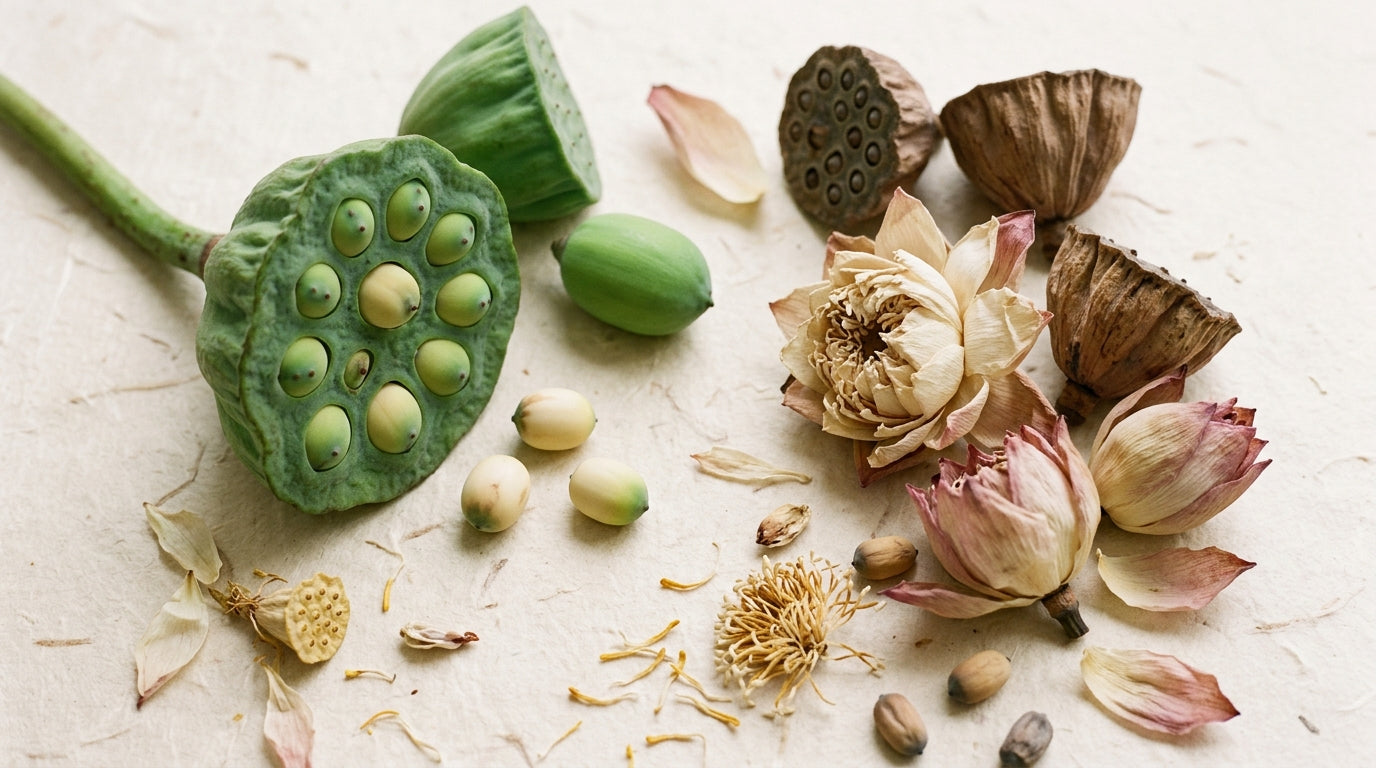
Indian Laburnum Pod contains anthraquinone glycosides and quercetin that inhibit digestive enzymes including α-glucuronidase by 60.66% while supporting hepatic detoxification pathways. The pods demonstrate measurable reductions in liver enzymes SGOT, SGPT, and alkaline phosphatase in preclinical studies.

Origin
Indian Laburnum Pod (Cassia fistula), also known as Golden Shower tree, is native to the tropical and subtropical regions of the Indian subcontinent and Southeast Asia, including India, Sri Lanka, Thailand, and Myanmar. Its pods are highly valued in traditional medicine for their significant role in digestive cleansing and detoxification.
Potential benefits
- Facilitates gentle digestive cleansing and promotes regular bowel movements through its anthraquinone glycosides.
- Supports liver detoxification processes, aiding in the elimination of metabolic waste.
- Contributes to blood purification by supporting the body's natural detox pathways.
- Enhances skin clarity by addressing internal imbalances and reducing inflammatory responses.
- Modulates the gut microbiome, fostering a healthy balance of beneficial bacteria.
- Provides antioxidant defense, protecting cells from oxidative damage.
- Reduces fever and inflammatory symptoms due to its antipyretic properties.
How it works
The pods' anthraquinone glycosides and quercetin work through enzyme inhibition, particularly targeting α-glucuronidase with 60.66% inhibitory activity, along with β-glucuronidase, α-glucosidase, and α-tyrosinase. Quercetin specifically upregulates IFN-γ and Th-2 gene expression, modulating NK cell function for enhanced immune response. Additional compounds including emodin and chrysophanic acid support hepatoprotective mechanisms by reducing liver enzyme markers.
What the research says
Preclinical studies demonstrate dose-dependent reductions in liver enzymes including SGOT, SGPT, AST, ALT, and alkaline phosphatase, with concurrent increases in total protein levels. One controlled study in rats showed significant antibody titer elevation compared to controls, indicating measurable immunomodulatory effects. However, human clinical trials are limited, and most evidence stems from pharmacological and preclinical investigations rather than large-scale human studies. The evidence base, while promising, requires additional human clinical validation.
Safety and interactions
Current research does not provide comprehensive safety data, drug interaction profiles, or established contraindications for Indian Laburnum Pod supplementation. As with all anthraquinone-containing botanicals, potential concerns may include electrolyte imbalances with prolonged use and possible interactions with cardiac medications or diuretics. Pregnant and nursing women should avoid use due to insufficient safety data and potential laxative effects. Consultation with healthcare providers is essential before use, particularly for individuals with liver conditions or those taking prescription medications.
Suggested use
- Traditional: Sun-dried pods prepared as kashayams (decoctions), pastes, or warm infusions, central to Ayurvedic Virechana purgation therapy.
- Topical: Applied as a paste for skin eruptions and inflammatory lesions.
- Modern Forms: Available in detox teas, capsules, and gentle laxative formulations.
- Dosage: 1-2 grams of dried pulp per day, typically under the guidance of a healthcare practitioner.
- Contraindications: Avoid during pregnancy, lactation, and prolonged use without professional supervision.
Frequently asked questions
What is the recommended dosage of Indian Laburnum Pod for adults?
The generally suggested dose of Indian Laburnum Pod is 1–2 grams of dried pulp per day, ideally under the guidance of a healthcare practitioner. Traditionally, it is prepared as a kashayam (decoction) or warm infusion in Ayurvedic Virechana purgation therapy. Modern formulations include capsules and detox teas. Dosage should not be exceeded without professional supervision, as the anthraquinone glycosides responsible for its laxative effect can cause griping or electrolyte imbalance if overused.
Can Indian Laburnum Pod help with blood sugar management?
Indian Laburnum Pod shows promising preclinical activity relevant to blood sugar regulation. Its key compounds — anthraquinone glycosides and quercetin — inhibit α-glucosidase and α-glucuronidase enzymes, with α-glucuronidase inhibition measured at 60.66%. These enzymes are involved in carbohydrate digestion and glucose release, and their inhibition may help moderate postprandial blood sugar spikes. However, current evidence is largely preclinical, and it should not replace prescribed diabetes management without medical guidance.
Is Indian Laburnum Pod safe to take during pregnancy?
No, Indian Laburnum Pod is contraindicated during pregnancy. Its anthraquinone glycosides exert a stimulant laxative effect that can induce strong intestinal contractions, potentially posing a risk to pregnancy. It is also advised to avoid use during lactation, as bioactive compounds may transfer through breast milk. Women who are pregnant or breastfeeding should consult a qualified healthcare provider before considering any formulation containing Indian Laburnum Pod, including detox teas or herbal capsules.
Does Indian Laburnum Pod improve skin health?
Indian Laburnum Pod may support skin health through two mechanisms. Internally, its antioxidant compounds — particularly quercetin — reduce oxidative stress and inflammatory responses that can manifest as skin breakouts or dullness. Externally, the pod pulp is traditionally applied as a paste for skin eruptions, inflammatory lesions, and other dermatological concerns. Additionally, α-tyrosinase inhibition by its phytochemicals may contribute to skin tone evenness. While traditional use is well-documented, robust clinical trials in humans are still limited.
What are the side effects of taking Indian Laburnum Pod?
The most commonly reported side effects of Indian Laburnum Pod relate to its anthraquinone glycoside content, which drives its laxative action. Excessive or prolonged use may cause abdominal cramping, diarrhoea, nausea, and electrolyte imbalances — particularly low potassium. Chronic overuse of anthraquinone-based laxatives is also associated with a risk of laxative dependence. Use should be short-term and at the recommended 1–2 gram daily dose, avoiding self-dosing beyond established guidelines without professional supervision.
How does Indian Laburnum Pod support gut microbiome health?
Indian Laburnum Pod modulates the gut microbiome by promoting regular bowel transit, which helps reduce the dwell time of harmful metabolites and pathogenic bacteria in the colon. Its anthraquinone glycosides support intestinal motility, while quercetin has documented prebiotic-like properties that foster the growth of beneficial bacteria. By inhibiting β-glucuronidase, a bacterial enzyme linked to increased intestinal toxin reabsorption, the pod may further protect the gut environment and contribute to a healthier microbial balance.
Can I use Indian Laburnum Pod as a natural laxative for constipation relief?
Yes, Indian Laburnum Pod is one of the key herbs in Ayurvedic Virechana therapy specifically for its gentle purgative action. The anthraquinone glycosides stimulate peristalsis in the large intestine, promoting bowel movement without harsh straining. The standard approach is 1–2 grams of dried pod pulp as a decoction or in capsule form. However, it should be used short-term only, as prolonged reliance on stimulant laxatives — including natural anthraquinone sources — can lead to dependence and electrolyte disruption.
How does Indian Laburnum Pod reduce fever and inflammation?
Indian Laburnum Pod contains bioactive compounds including quercetin and emodin that contribute to its antipyretic and anti-inflammatory properties. Quercetin inhibits pro-inflammatory signalling pathways and reduces the production of inflammatory mediators, while emodin has demonstrated fever-reducing and anti-inflammatory activity in preclinical studies. Traditionally, the pod has been used in decoction form to reduce fever. Its antioxidant capacity also helps limit oxidative stress, which can amplify the inflammatory response during illness.
How do Indian Laburnum Pods work for digestive cleansing?
The pods contain anthraquinone glycosides that promote gentle bowel movements through natural laxative mechanisms. These compounds inhibit digestive enzymes like α-glucuronidase by over 60%, supporting regular elimination and digestive tract cleansing.
What liver benefits does Indian Laburnum Pod provide?
Preclinical studies show dose-dependent reductions in liver enzymes SGOT, SGPT, AST, ALT, and alkaline phosphatase, indicating hepatoprotective effects. The pods support liver detoxification processes through their anthraquinone and phenolic compound content.
References
- https://www.ncbi.nlm.nih.gov/search/all/?term=Indian+Laburnum+Pod
- https://www.ncbi.nlm.nih.gov/pmc/articles/PMC5758354
- https://pubmed.ncbi.nlm.nih.gov/24374447
- https://www.sciencedirect.com/science/article/pii/S2225411014000559
This article is educational and is not medical advice. Statements have not been evaluated by the FDA and are not intended to diagnose, treat, cure, or prevent any disease. Consult a healthcare professional before use.