Rainforest Star Apple (Chrysophyllum cainito) contains beta-amyrin acetate, epicatechin, and eleagine that inhibit α-amylase and α-glucosidase enzymes for antidiabetic effects. The fruit's bioactive compounds demonstrate hydroxyl radical scavenging activity with pulp coat showing IC50 values of 3.69 mg/mL.

Origin
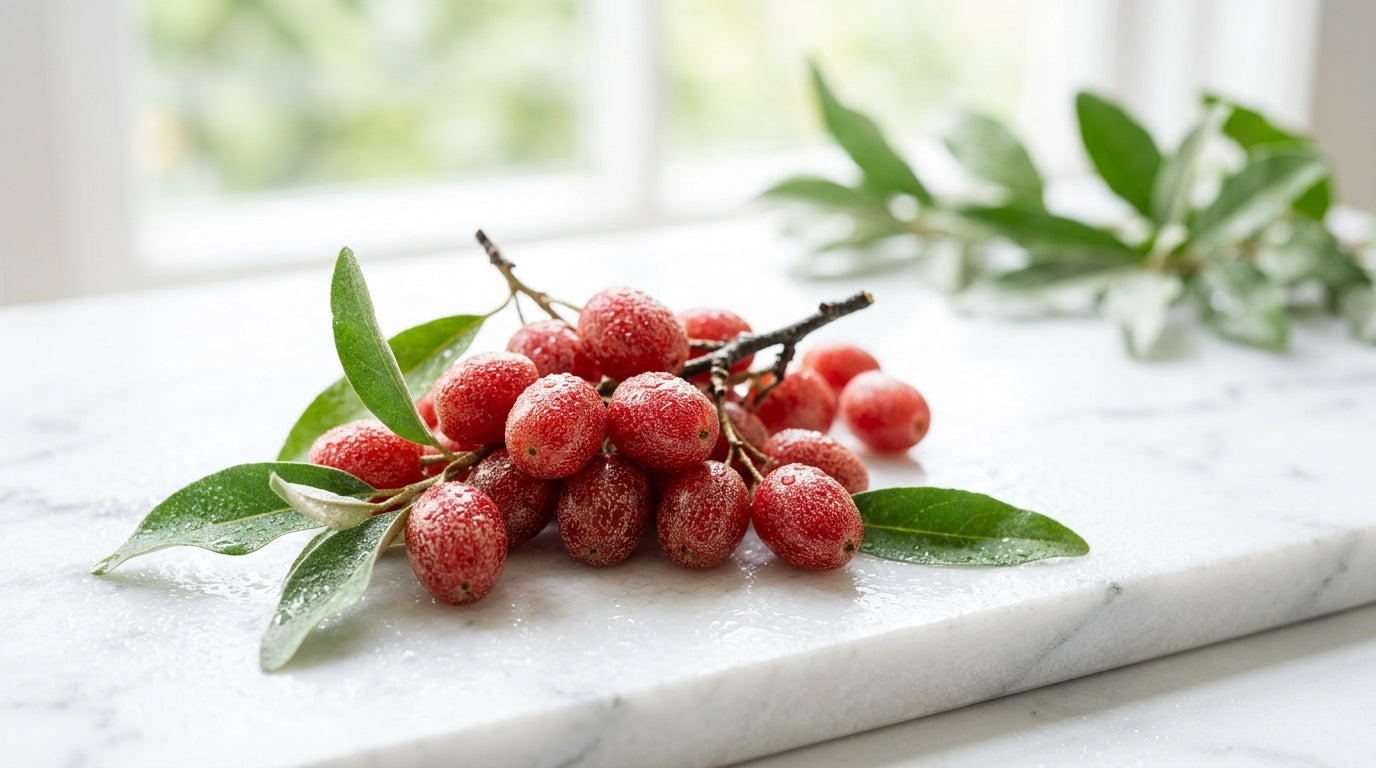
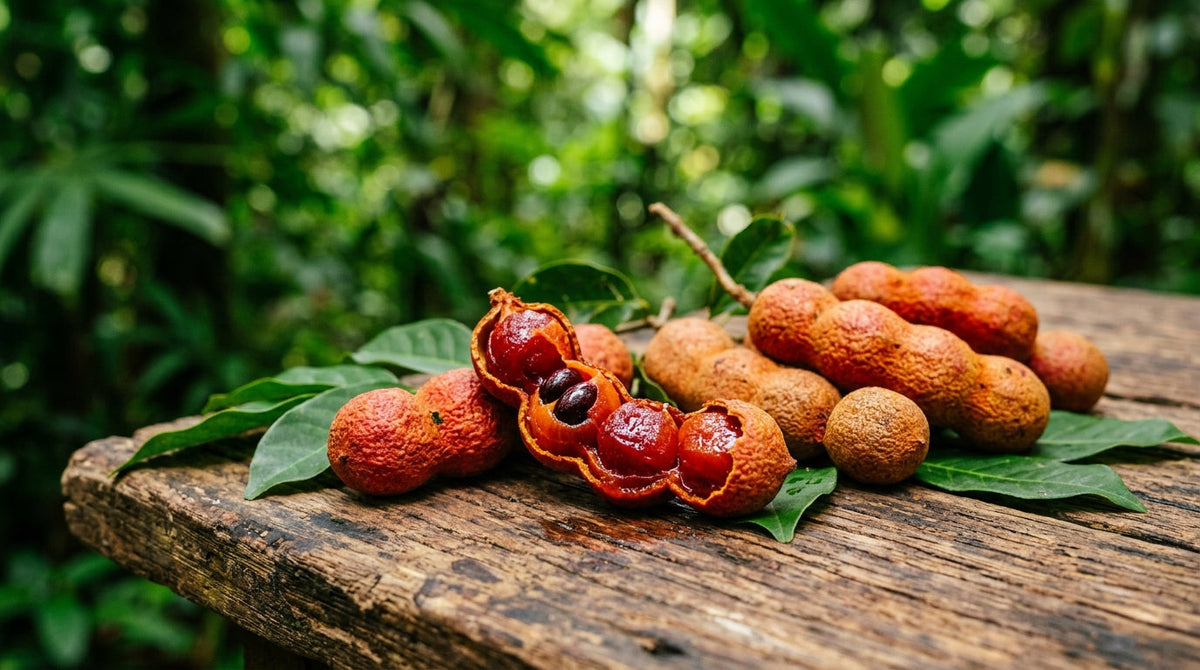
Rainforest Star Apple (Chrysophyllum cainito) is a tropical fruit native to the Amazon Basin and Caribbean rainforests. This vibrant fruit is characterized by its unique star-shaped core and rich nutrient profile. It is prized in functional nutrition for its comprehensive support of immune, digestive, and cardiovascular health.
Potential benefits
- Supports immune resilience by providing antioxidant and anti-inflammatory compounds.
- Enhances digestive health through its rich fiber content and prebiotic effects.
- Improves cardiovascular function by modulating lipid profiles and blood pressure.
- Regulates blood sugar levels by enhancing glucose metabolism and insulin sensitivity.
- Promotes skin hydration and elasticity via its vitamin and mineral content.
- Boosts cognitive function by protecting neural cells from oxidative stress.
How it works
Beta-amyrin acetate, epicatechin, and eleagine in Chrysophyllum cainito inhibit α-amylase (IC50 = 1.39 mg/mL for pulp coat) and α-glucosidase enzymes, reducing carbohydrate digestion and glucose absorption. The phenolic compounds scavenge hydroxyl radicals and boost endogenous antioxidant enzymes including glutathione, superoxide dismutase, and catalase while reducing lipid peroxidation markers. Saponins modulate enterohepatic cholesterol circulation, contributing to hypolipidemic effects.
What the research says
Current evidence is limited to in vitro assays and animal studies, with no human clinical trials reported. In high-fat diet rats, star apple juice (3-9 mL doses) reversed oxidative stress markers and lowered serum cholesterol levels. Leaf extracts demonstrated DPPH scavenging (0.34 mg AAE/mL), FRAP activity (1.36 mg AAE/mL), and enzyme inhibition properties including 67% tyrosinase and 70% collagenase inhibition. Antimicrobial testing showed activity against Staphylococcus, Pseudomonas, and Salmonella with inhibition zones of 1-10 mm at concentrations of 31.25-250 mg/mL.
Safety and interactions
No specific safety data, drug interactions, or contraindications have been established through clinical research. The presence of saponins, tannins, and alkaloids may potentially cause gastrointestinal irritation at high doses, though no quantitative safety thresholds or adverse event reports are documented. Safety during pregnancy and lactation has not been evaluated. Patients taking antidiabetic medications should exercise caution due to potential additive glucose-lowering effects based on enzyme inhibition mechanisms.
Suggested use
- Traditionally consumed fresh, dried, or infused, often in Amazonian tonics.
- Modern forms include superfruit powders, gut-health blends, and longevity supplements.
- Recommended dosage is 1–2 servings daily or 500–1000 mg of extract daily.
Frequently asked questions
What are the main bioactive compounds in Rainforest Star Apple?
Key compounds include beta-amyrin acetate, eleagine, epicatechin, epigallocatechin, skatole, stigmasterol, and tetrahydro-2-methylharman identified via HPLC analysis. The fruit also contains phenols, flavonoids, alkaloids, steroids, saponins, tannins, and cardiac glycosides across different plant parts.
How does Rainforest Star Apple help with blood sugar control?
The fruit inhibits α-amylase and α-glucosidase enzymes that break down carbohydrates, with the pulp coat showing an IC50 of 1.39 mg/mL for α-amylase inhibition. This enzyme inhibition reduces carbohydrate digestion and glucose absorption, leading to better blood sugar management.
Are there any clinical studies on Rainforest Star Apple in humans?
No human clinical trials have been conducted on Chrysophyllum cainito. Current evidence comes from in vitro studies and animal models, particularly rats fed high-fat diets showing improved antioxidant status and cholesterol levels.
What is the antioxidant capacity of Rainforest Star Apple?
The pulp coat demonstrates hydroxyl radical scavenging with an IC50 of 3.69 mg/mL, while pulp shows IC50 of 6.12 mg/mL. Leaf extracts show DPPH scavenging activity of 0.34 mg ascorbic acid equivalents per mL and FRAP activity of 1.36 mg AAE/mL.
Does Rainforest Star Apple have antimicrobial properties?
Yes, extracts show antimicrobial activity against Staphylococcus, Pseudomonas, and Salmonella bacteria with inhibition zones of 1-10 mm at concentrations ranging from 31.25-250 mg/mL. The fruit also demonstrates antifungal properties, though specific fungal species and potency data are limited.
Is Rainforest Star Apple safe to take with blood pressure or diabetes medications?
Rainforest Star Apple may interact with antidiabetic and antihypertensive medications due to its effects on blood sugar and blood pressure regulation. Individuals taking medications for diabetes or hypertension should consult their healthcare provider before supplementing, as concurrent use may potentiate drug effects and require dose adjustments. Monitor blood glucose and blood pressure levels closely if combining with pharmaceutical treatments.
Who would benefit most from taking Rainforest Star Apple supplements?
Rainforest Star Apple supplementation is particularly beneficial for individuals with metabolic syndrome, prediabetes, or cardiovascular concerns, as well as those seeking enhanced antioxidant support and digestive health. People with compromised immune function or chronic inflammatory conditions may also benefit from its immune-modulating and anti-inflammatory properties. Those struggling with skin hydration and elasticity concerns may see dermatological benefits from its vitamin A content and antioxidant profile.
What is the most effective form of Rainforest Star Apple supplement—powder, extract, or whole fruit?
Standardized extracts typically concentrate bioactive compounds and offer superior bioavailability compared to whole fruit powders, making them more efficient for therapeutic dosing. However, whole fruit powders retain fiber content crucial for prebiotic effects and digestive benefits, whereas extracts may remove some fiber during processing. The optimal choice depends on whether your priority is maximum antioxidant potency (extract) or comprehensive digestive and fiber support (whole fruit powder).
References
- https://www.ncbi.nlm.nih.gov/search/all/?term=Rainforest+Star+Apple
- https://fdc.nal.usda.gov/fdc-app.html#/search?query=Rainforest+Star+Apple
- https://www.ncbi.nlm.nih.gov/pmc/articles/PMC7278386/
- https://www.sciencedirect.com/science/article/pii/S1756464621002471
This article is educational and is not medical advice. Statements have not been evaluated by the FDA and are not intended to diagnose, treat, cure, or prevent any disease. Consult a healthcare professional before use.