Guar gum seed contains galactomannan—a high-molecular-weight polysaccharide with a β-1,4-linked D-mannopyranose backbone and α-1,6-linked D-galactopyranose side chains (~2:1 mannose-to-galactose ratio)—that forms highly viscous gel matrices upon hydration, physically impeding glucose absorption and attenuating the postprandial glycemic response as demonstrated by Jenkins et al. (1985, PMID 3001740). Beyond glycemic control, guar gum acts as a prebiotic fiber that modulates gut microbiota composition, supports cardiovascular health by lowering LDL cholesterol, and its partially hydrolyzed form has been shown to suppress sarcopenic obesity development in preclinical models (Okamura et al., 2022, PMID 35334814).

Origin
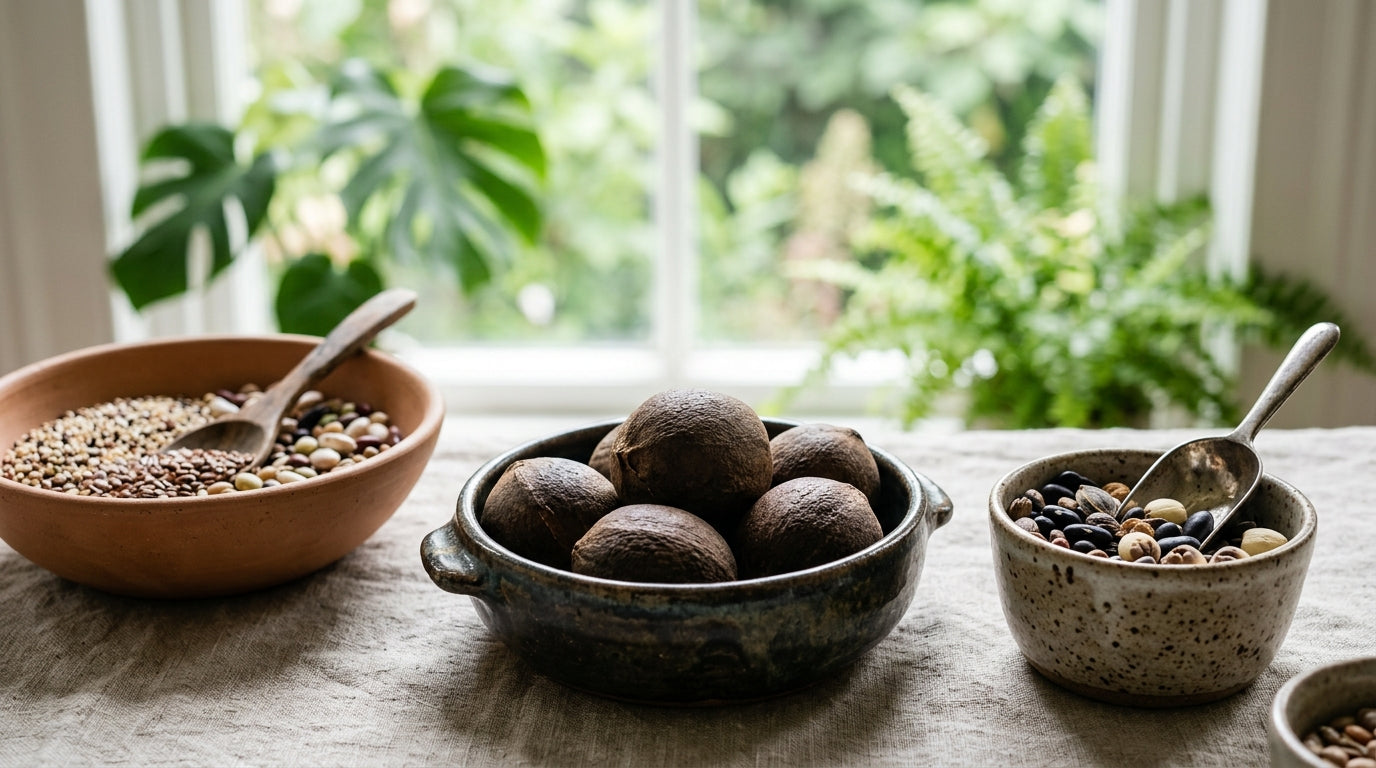
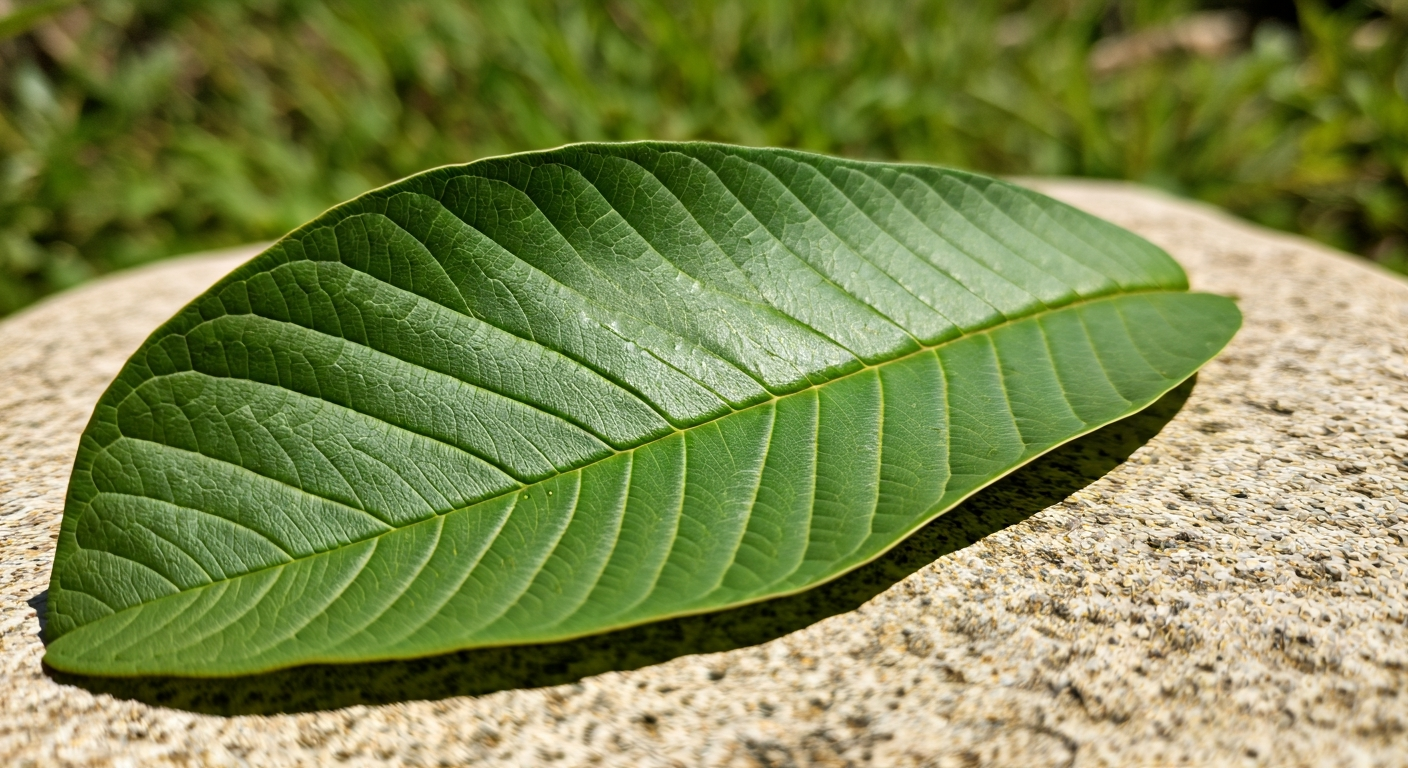
Guar Gum Seed (Cyamopsis tetragonoloba) is derived from the guar plant, a leguminous crop native to the arid and semi-arid regions of India and Pakistan. This water-soluble dietary fiber is known for its high viscosity and prebiotic properties. It is a valuable ingredient in functional nutrition for supporting digestive health, weight management, and blood sugar regulation.
Potential benefits
- Enhances gut microbiota balance by acting as a prebiotic, nourishing beneficial gut bacteria.
- Promotes satiety by forming a gel in the stomach, which can reduce overall calorie intake and support weight management.
- Regulates blood sugar levels by slowing the absorption of glucose, contributing to metabolic stability.
- Supports cardiovascular wellness by helping to lower LDL cholesterol.
- Aids in detoxification processes through improved digestive regularity and elimination of toxins.
How it works
Upon hydration, guar gum's galactomannan polysaccharide undergoes extensive intermolecular hydrogen bonding between hydroxyl groups on its β-1,4-linked D-mannopyranose backbone and α-1,6-linked D-galactopyranose branches, forming a highly viscous gel matrix that physically delays gastric emptying and creates an unstirred water layer along the intestinal mucosa, thereby impeding glucose and cholesterol absorption at the brush border membrane (PMID 3001740). This gel-mediated viscosity also slows the diffusion of pancreatic α-amylase and lipase to their substrates, attenuating starch hydrolysis and lipid emulsification, which contributes to reduced postprandial glycemia and lipemia. As a fermentable fiber, intact and partially hydrolyzed guar gum resists digestion in the upper gastrointestinal tract and is selectively fermented by colonic Bifidobacterium and Lactobacillus species, producing short-chain fatty acids (SCFAs)—particularly butyrate, propionate, and acetate—that activate free fatty acid receptors (FFAR2/GPR43 and FFAR3/GPR41), enhancing GLP-1 and PYY secretion from enteroendocrine L-cells, thus promoting satiety and improving insulin sensitivity (PMID 35334814). Geng et al. (2023, PMID 37257966) further demonstrated guar gum's capacity to interact with α-glucosidase activity detection systems, supporting its relevance in screening anti-diabetic mechanisms linked to carbohydrate metabolism inhibition.
What the research says
Clinical trials demonstrate guar gum monotherapy reduces total cholesterol by 10-15% in hypercholesterolemia patients, with an additional 10% reduction when used as adjunct therapy with bezafibrate, lovastatin, or gemfibrozil. Glucose tolerance studies show significantly reduced post-oral glucose load plasma glucose and insulin responses. Jejunal perfusion trials confirm reduced glucose absorption that returns to baseline post-perfusion, though some trials show no effect and long-term attenuation is possible.
Safety and interactions
Guar gum is generally recognized as safe (GRAS) by the FDA at typical dietary and supplemental doses (up to ~15 g/day), though gastrointestinal side effects including bloating, flatulence, and abdominal cramps may occur, particularly at high doses or with inadequate fluid intake, due to rapid fermentation and gas production. Due to its viscosity-mediated delay of gastric emptying and nutrient absorption, guar gum may reduce or delay the bioavailability of co-administered oral medications—including metformin, penicillin, digoxin, and certain oral hypoglycemics—necessitating a minimum 1–2 hour dosing separation. While no direct CYP450 enzyme interactions have been documented, guar gum's physical gel matrix can entrap fat-soluble vitamins (A, D, E, K) and minerals, potentially reducing their absorption with chronic high-dose use. Patients with esophageal or gastrointestinal strictures should avoid guar gum supplements due to the risk of obstruction, and individuals on anticoagulant therapy should monitor vitamin K status given potential malabsorption effects.
Suggested use
- Common Forms: Powder, functional foods, supplements.
- Traditional Use: Utilized in Indian cuisine and Ayurvedic medicine for digestive health, weight management, and blood sugar control, often ground into flour for thickening.
- Modern Use: Incorporated into functional foods, supplements, and food processing as a thickening agent and health-boosting ingredient.
- Dosage: 5–10 grams daily, depending on dietary needs and health goals, typically mixed with water or juice.
Frequently asked questions
What are the main health benefits of guar gum seed fiber?
Guar gum seed fiber provides clinically documented benefits including postprandial blood sugar regulation by forming viscous gels that slow glucose absorption (PMID 3001740), LDL cholesterol reduction via bile acid binding, and prebiotic support for beneficial gut bacteria such as Bifidobacterium. Partially hydrolyzed guar gum has also been shown to suppress sarcopenic obesity development by modulating gut microbiota composition and reducing systemic inflammation (PMID 35334814).
How does guar gum help lower blood sugar levels?
Guar gum's galactomannan polysaccharide hydrates to form a viscous gel in the gastrointestinal tract that delays gastric emptying and creates an unstirred water layer along the intestinal mucosa, physically slowing glucose diffusion and absorption. Jenkins et al. (1985) demonstrated in the Proceedings of the Society for Experimental Biology and Medicine (PMID 3001740) that this mechanism significantly attenuates the postprandial glycemic response by impeding carbohydrate digestion.
Is partially hydrolyzed guar gum different from regular guar gum?
Yes—partially hydrolyzed guar gum (PHGG) is enzymatically cleaved to reduce molecular weight and viscosity, making it more tolerable and less likely to cause bloating while retaining its prebiotic fermentation properties. Okamura et al. (2022, PMID 35334814) showed PHGG suppresses sarcopenic obesity development by selectively promoting beneficial SCFA-producing bacteria, and Salvatore et al. (2024, PMID 38337634) highlighted PHGG's efficacy in managing pediatric gut-brain interaction pain disorders.
Can guar gum interact with medications?
Guar gum's viscous gel matrix can physically entrap and delay absorption of co-administered oral medications, including metformin, digoxin, penicillin, and oral hypoglycemics, potentially reducing their efficacy. To avoid this interaction, medications should be taken at least 1–2 hours before or after guar gum supplementation. No direct CYP450 enzyme inhibition has been documented, but chronic high-dose use may also impair absorption of fat-soluble vitamins.
Does guar gum act as a prebiotic for gut health?
Guar gum and its partially hydrolyzed form resist upper gastrointestinal digestion and are selectively fermented by colonic Bifidobacterium and Lactobacillus species, generating short-chain fatty acids (butyrate, propionate, acetate) that nourish colonocytes and activate FFAR2/FFAR3 receptors to enhance GLP-1 secretion. Tahmouzi et al. (2023, PMID 37701200) confirmed guar gum's prebiotic properties in a comprehensive review, and Salvatore et al. (2024, PMID 38337634) documented its beneficial role in pediatric gut microbiota modulation.
What is the recommended daily dosage of guar gum seed, and when should I take it?
Most clinical studies use guar gum doses ranging from 5–15 grams daily, typically divided into smaller amounts taken with meals. It's best to take guar gum seed with adequate water (at least 8 oz per serving) to allow proper gel formation in the stomach and minimize digestive discomfort. Starting with a lower dose and gradually increasing helps your digestive system adapt, and consistency with meals enhances its blood sugar-regulating effects.
Is guar gum seed safe for pregnant women, children, and elderly individuals?
Guar gum is generally recognized as safe (GRAS) by the FDA, but pregnant women should consult their healthcare provider before supplementing, as excessive fiber intake may affect nutrient absorption. Children can tolerate guar gum in food forms, though supplemental doses should be determined by a pediatrician based on age and health status. Elderly individuals may benefit from guar gum's cholesterol and blood sugar support, but should ensure adequate hydration and monitor for any interactions with existing medications or digestive conditions.
What does clinical research show about guar gum seed's effectiveness for weight management and satiety?
Multiple peer-reviewed studies demonstrate that guar gum increases gastric viscosity and slows gastric emptying, promoting prolonged satiety and reducing subsequent food intake by 10–15% in controlled settings. Research published in nutrition journals shows that the prebiotic fiber component supports weight management by feeding beneficial gut bacteria, which produce short-chain fatty acids that regulate appetite hormones. Evidence quality is moderate to strong, with consistent results across randomized controlled trials, though individual responses vary based on baseline diet and lifestyle factors.
References
- https://fdc.nal.usda.gov/fdc-app.html#/search?query=Guar+Gum+Seed
- https://fdc.nal.usda.gov/food-search?query=Guar+Gum+Fiber
- https://www.ncbi.nlm.nih.gov/search/all/?term=Guar+Gum+Seed
- https://pubmed.ncbi.nlm.nih.gov/33243582
- https://pubmed.ncbi.nlm.nih.gov/?term=Guar+Gum+Fiber
- https://www.ncbi.nlm.nih.gov/pmc/articles/PMC7365887/
- https://www.sciencedirect.com/science/article/pii/S1756464620300651
This article is educational and is not medical advice. Statements have not been evaluated by the FDA and are not intended to diagnose, treat, cure, or prevent any disease. Consult a healthcare professional before use.