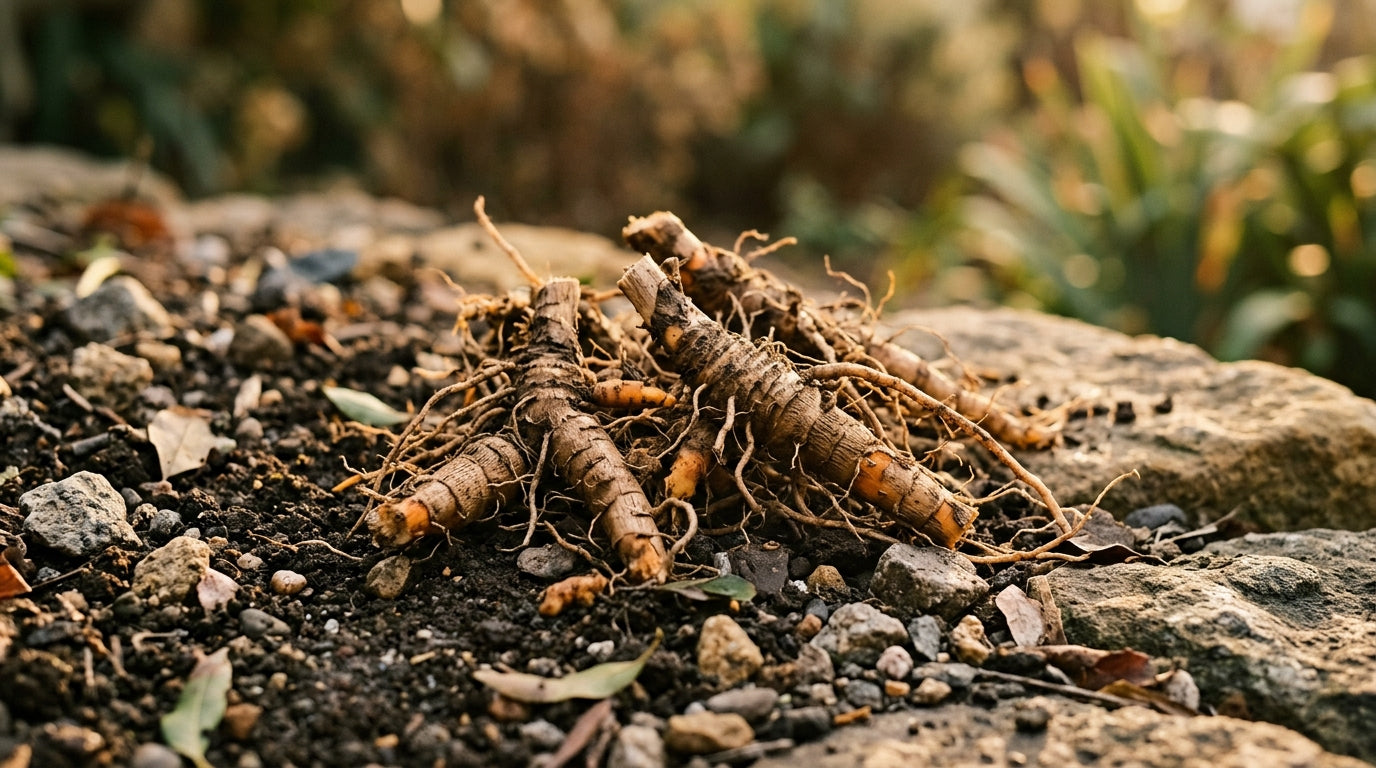
Blood orange (Citrus sinensis) contains high concentrations of anthocyanins and vitamin C, which contribute 60-87% of total antioxidant activity and reduce inflammatory markers including C-reactive protein and interleukin-6. The anthocyanin metabolite protocatechuic acid accounts for 74% of absorbed compounds and inhibits LDL oxidation through peroxyl radical scavenging.

Origin
Citrus sinensis 'Blood Orange' is a distinctive variety of orange, primarily cultivated in the Mediterranean region, particularly Italy and Spain. It thrives in subtropical climates with significant temperature variations between day and night, which are crucial for developing its characteristic deep red pigmentation. Valued for its unique flavor and vibrant color, it is a potent source of antioxidants and vitamins.
Potential benefits
- Supports cardiovascular health by lowering LDL cholesterol, reducing arterial inflammation, and improving blood circulation.
- Boosts collagen production and protects against UV damage, enhancing overall skin health.
- Enhances immune resilience through its high vitamin C content and potent antioxidant protection.
- Aids digestion, supports gut motility, and helps balance the gut microbiome through dietary fiber.
- Contributes to metabolic health by regulating blood sugar levels and supporting weight management.
- Improves memory, focus, and provides neuroprotection through its rich profile of polyphenols.
How it works
Vitamin C reduces LDL oxidation and quenches reactive oxygen species, while anthocyanins protect biomembranes by trapping peroxyl radicals and chelating metal ions like Cu²⁺. Hydroxycinnamic acids suppress cyclooxygenase-2 and inducible nitric oxide synthase via p38/ERK and NF-κB pathway inhibition. The major metabolite protocatechuic acid provides sustained antioxidant protection after absorption.
What the research says
A controlled study found 500 ml daily blood orange juice consumption for one week significantly reduced plasma C-reactive protein, interleukin-6, and TNF-α in non-diabetic individuals with cardiovascular risk. Orange juice completely prevented post-prandial elevation of inflammatory marker p38 MAPK compared to glucose controls and modulated expression of 3,422 genes involved in immune cell infiltration. However, clinical evidence remains limited to small short-term studies, requiring larger long-term trials to establish definitive therapeutic benefits.
Safety and interactions
Current research does not provide comprehensive safety data, drug interactions, or contraindications for blood orange consumption, representing a significant knowledge gap for clinical guidance. Vitamin C absorption decreases substantially at higher doses, dropping from 100% bioavailability at low doses to only 16% at 12g doses. Standard dietary consumption appears generally safe for healthy individuals, but specific safety profiles during pregnancy, lactation, or concurrent medication use require further investigation. Patients with citrus allergies or acid-sensitive conditions should exercise caution.
Suggested use
- Culinary Use: Traditionally consumed fresh, juiced, or incorporated into Mediterranean dishes like salads, desserts, and savory recipes.
- Forms: Available as fresh fruit, cold-pressed juice, and standardized extracts.
- Dosage: Consume 250–500 ml of fresh juice daily, or 500–1,000 mg of standardized extract for antioxidant and cardiovascular support.
Frequently asked questions
How much blood orange juice should I drink daily for health benefits?
Clinical studies used 500 ml daily for one week to achieve measurable reductions in inflammatory markers. However, optimal long-term dosing remains undetermined, and vitamin C absorption significantly decreases at higher intakes.
What makes blood oranges different from regular oranges?
Blood oranges contain anthocyanins, water-soluble pigments that create the red color and provide additional antioxidant activity beyond regular oranges. These anthocyanins metabolize into protocatechuic acid, accounting for 74% of absorbed compounds with enhanced anti-inflammatory effects.
Can blood oranges help lower cholesterol naturally?
Blood orange compounds reduce LDL oxidation and arterial inflammation through vitamin C and anthocyanin mechanisms. While preliminary research shows cardiovascular benefits, specific cholesterol-lowering effects require larger clinical trials for definitive evidence.
Are there any side effects from consuming blood oranges?
Current research lacks comprehensive safety data on blood orange consumption. Standard dietary amounts appear safe for healthy individuals, but high vitamin C doses show dramatically reduced absorption efficiency, potentially limiting excessive intake benefits.
When is the best time to eat blood oranges for maximum benefits?
Research shows blood orange juice prevents post-meal inflammatory spikes when consumed with meals, particularly compared to high-glucose foods. The timing may optimize the anti-inflammatory benefits, though more research is needed to establish optimal consumption patterns.
Is blood orange safe to consume during pregnancy and breastfeeding?
Blood oranges are generally safe for pregnant and breastfeeding women, as they are whole fruits with well-established safety profiles in food consumption. Their high vitamin C content (approximately 53mg per 100g) and folate support fetal development and maternal health. However, pregnant women should consume them as part of a balanced diet and consult their healthcare provider if they have specific concerns about citrus intake or medication interactions.
Can blood orange interact with blood thinners or heart medications?
Blood oranges contain compounds that may have mild anticoagulant properties, so individuals taking warfarin or other blood-thinning medications should maintain consistent consumption rather than dramatically increasing intake. The vitamin C in blood oranges can affect the absorption of certain medications, and their potassium content may interact with ACE inhibitors or potassium-sparing diuretics. It is advisable to discuss regular blood orange consumption with a healthcare provider if you are on cardiovascular medications.
What is the difference between fresh blood orange juice and concentrated blood orange supplements?
Fresh blood orange juice retains the full fiber content and broader spectrum of phytonutrients found in the whole fruit, including anthocyanins and hesperidin, which support both digestive and cardiovascular health. Concentrated supplements may isolate specific compounds like anthocyanins but often lack the synergistic fiber and whole-food matrix that enhances nutrient bioavailability and digestive benefits. Fresh juice is generally preferred for digestive support, while concentrates may offer higher anthocyanin dosing for specific antioxidant applications.
References
- https://www.ncbi.nlm.nih.gov/search/all/?term=Blood+Orange
- https://fdc.nal.usda.gov/fdc-app.html#/search?query=Blood+Orange
- https://pubmed.ncbi.nlm.nih.gov/38911304
- https://www.sciencedirect.com/science/article/pii/S0963996919303884
- https://www.ncbi.nlm.nih.gov/pmc/articles/PMC7861151/
This article is educational and is not medical advice. Statements have not been evaluated by the FDA and are not intended to diagnose, treat, cure, or prevent any disease. Consult a healthcare professional before use.