Suma root (Pfaffia paniculata) contains pfaffic acids, pfaffosides A–F, and beta-ecdysterone within a saponin-rich matrix (up to 11%) that modulates apoptotic, hormonal, and immune pathways. Methanolic extract of the closely related Hebanthe eriantha demonstrated significant antiproliferative activity against HCT116 colorectal and 4T1 breast cancer cell lines in vitro (PMID 37337697), while a comprehensive review in the American Journal of Clinical Nutrition noted the limited but promising ergogenic evidence for suma root's beta-ecdysterone in human exercise performance (PMID 10919969).

Origin
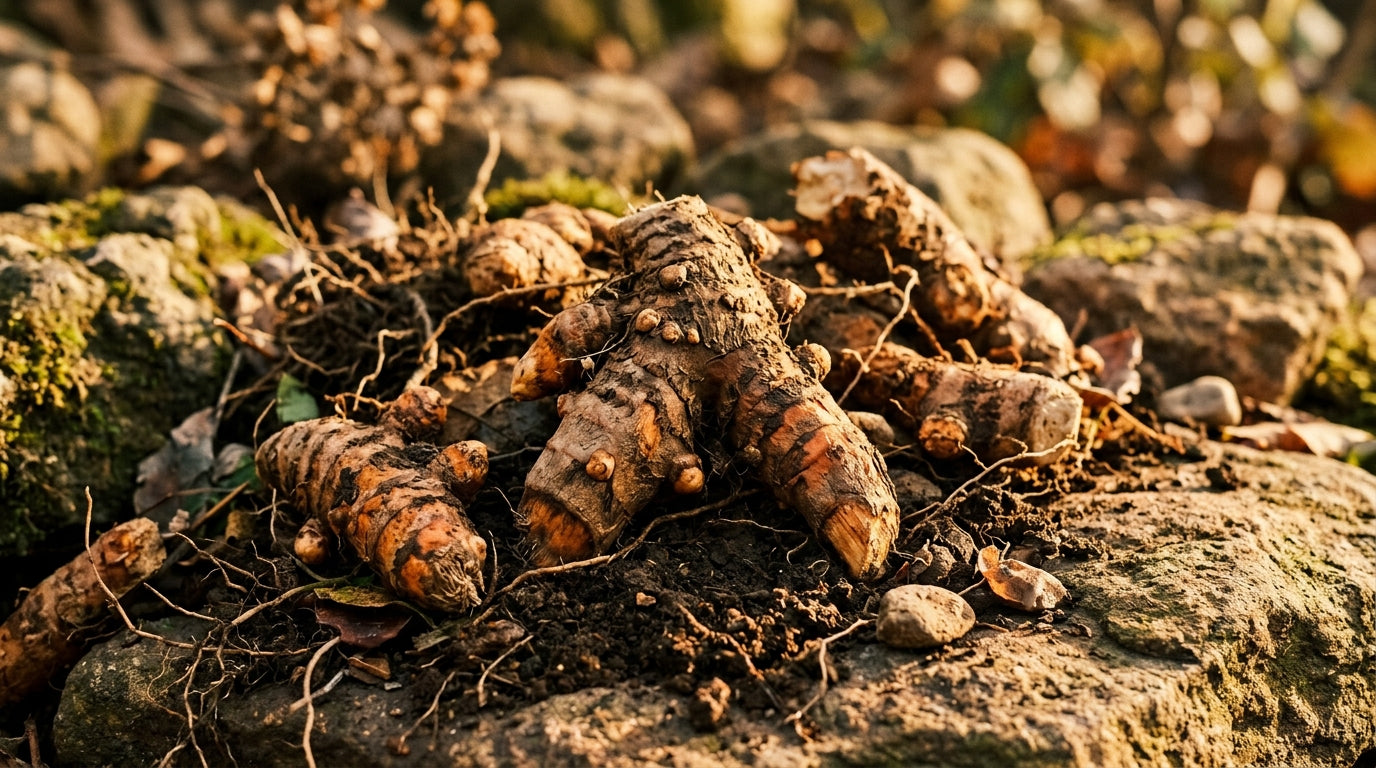
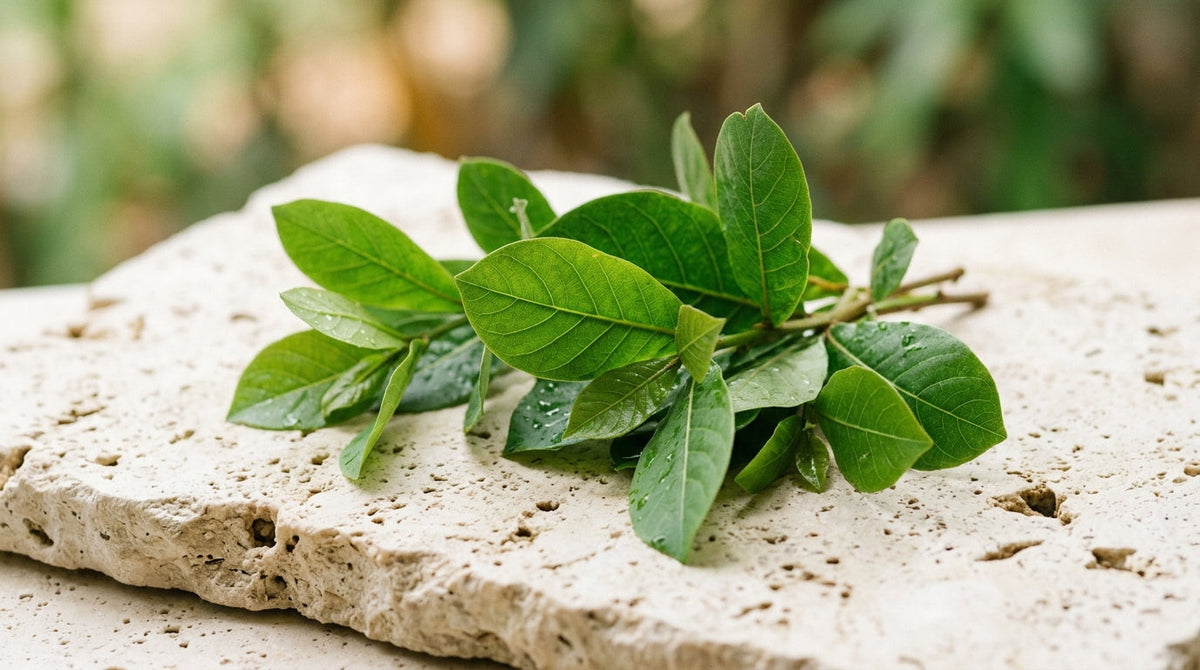
Suma Root (Pfaffia paniculata) is a sprawling ground vine native to the Amazon Basin regions of Brazil, Ecuador, and Peru. Its deep-growing root is revered as "para tudo" (for everything) in traditional medicine for its adaptogenic and revitalizing properties. This makes it a significant botanical for hormonal balance and immune function in functional nutrition.
Potential benefits
- Supports hormonal balance and enhances libido through adaptogenic sterols.
- Enhances adaptogenic resilience, helping the body cope with various stressors.
- Boosts immune function by modulating immune cell activity.
- Aids athletic recovery and supports muscle integrity, particularly through beta-ecdysterone.
- Promotes blood building and oxygenation, enhancing vitality.
- Reduces systemic inflammation through its saponin and pfaffic acid content.
- Protects cells from oxidative stress with its rich antioxidant compounds.
How it works
Pfaffic acids and pfaffosides (A–F) induce apoptosis through caspase-3 activation and promote S-phase cell cycle arrest by downregulating CDK2/cyclin E complexes while upregulating the cyclin-dependent kinase inhibitor p27Kip1. The high saponin content (up to 11% dry weight) modulates the hypothalamic-pituitary-adrenal (HPA) axis by influencing corticotropin-releasing hormone and cortisol signaling, conferring adaptogenic stress resilience. Beta-ecdysterone, a phytoecdysteroid, binds estrogen receptor-beta (ERβ) and activates PI3K/Akt-mediated protein synthesis pathways, promoting muscle protein accretion without androgenic receptor stimulation. Additionally, triterpenoid saponins sequester bile acids in the gastrointestinal tract and modulate NF-κB-driven inflammatory cascades, contributing to systemic anti-inflammatory and immunomodulatory activity.
What the research says
Evidence is limited to in vitro and animal studies with no published human clinical trials. In vitro studies show pfaffosides inhibited cultured melanoma tumor cells and demonstrated antisickling effects on sickled blood cells. Animal studies indicate pfaffic acid derivatives can slow tumor growth in breast and liver cancer models through cell cycle arrest and apoptosis induction. The lack of human clinical data significantly limits conclusions about therapeutic efficacy and optimal dosing.
Safety and interactions
Suma root is generally considered well-tolerated at traditional dosages (500–1500 mg/day of dried root), though systematic human safety trials are limited. Due to its phytoecdysteroid content, suma may theoretically interact with hormone-sensitive conditions or medications including estrogen-modulating therapies and oral contraceptives; individuals with estrogen receptor-positive cancers should consult a healthcare provider before use. No direct CYP450 inhibition data are available for suma root, but its saponin-rich profile may alter absorption of co-administered drugs by modifying intestinal bile acid metabolism and membrane permeability. Pregnant or breastfeeding women should avoid suma root due to insufficient safety data, and concurrent use with anticoagulants warrants caution as saponins may potentiate platelet inhibition.
Suggested use
- Traditionally prepared as a decoction or macerated tonic.
- Modern uses include adaptogenic blends, hormone-supporting formulas, and recovery supplements.
- Recommended dosage is 500–1500 mg of extract (standardized to ≥2.5% beta-ecdysterone) or 1–2 teaspoons of dried powder daily.
Frequently asked questions
What are the main suma root benefits?
Suma root benefits include adaptogenic stress resilience through HPA axis modulation, immune system support via saponin-mediated immune cell activation, and anabolic support through beta-ecdysterone's activation of PI3K/Akt protein synthesis pathways. It also contains pfaffic acids that exhibit anti-inflammatory and antiproliferative properties, as demonstrated in vitro against cancer cell lines (PMID 37337697).
Does suma root actually boost athletic performance?
A review in the American Journal of Clinical Nutrition (PMID 10919969) noted that beta-ecdysterone in suma root showed anabolic potential in preclinical models, but rigorous human clinical trials are still insufficient to confirm definitive ergogenic claims. Animal studies suggest improvements in endurance and muscle protein synthesis, making it a promising but not yet fully validated sports supplement.
Is suma root safe to take daily?
Suma root is generally considered safe at traditional dosages of 500–1500 mg per day of dried root powder. However, systematic long-term human safety studies are lacking, and individuals on hormonal medications, anticoagulants, or those with hormone-sensitive conditions should consult a healthcare provider before daily use.
How does suma root compare to other adaptogens like ashwagandha?
While ashwagandha primarily modulates cortisol through withanolide compounds, suma root's adaptogenic action derives from a distinct saponin and pfaffic acid profile that targets both the HPA axis and NF-κB inflammatory pathways. Suma root additionally provides beta-ecdysterone, a phytoecdysteroid with anabolic properties not found in ashwagandha, offering a complementary mechanism for those seeking muscle recovery alongside stress resilience.
Can suma root help fight cancer?
In vitro research by Rahamouz-Haghighi et al. (2024, PMID 37337697) demonstrated that suma methanolic extract exhibited dose-dependent antiproliferative activity against HCT116 colorectal and 4T1 breast cancer cell lines, with mechanisms linked to pfaffic acid-induced caspase-3 apoptosis and cell cycle arrest. However, these are laboratory findings only, and no human clinical trials currently support suma root as a cancer treatment; it should not replace conventional oncology care.
Does suma root interact with blood thinners or anticoagulant medications?
Suma root may have mild blood-thinning properties due to its active compounds, so it's advisable to consult with a healthcare provider before combining it with prescription anticoagulants like warfarin or aspirin. While suma root is generally considered safe at typical supplement doses, combining it with blood-thinning medications could theoretically increase bleeding risk. Your doctor can assess your individual situation and adjust dosing accordingly.
What is the most effective form of suma root—powder, extract, or capsules?
Standardized extracts of suma root typically offer superior bioavailability compared to raw powder, as they concentrate the active compounds like beta-ecdysterone and adaptogenic sterols. Capsules containing standardized extracts (often 500–1000 mg) provide consistent dosing and easier absorption than bulk powder. However, the form matters less than choosing a quality product from a reputable manufacturer that tests for purity and potency.
Who benefits most from suma root supplementation—athletes, stressed individuals, or both?
Both athletes and chronically stressed individuals can benefit from suma root, though for different reasons: athletes leverage its beta-ecdysterone content for muscle recovery and endurance, while those under stress benefit from its adaptogenic properties that help normalize cortisol and hormonal balance. Suma root is particularly valuable for people seeking natural support for both physical recovery and emotional resilience without the side effects of synthetic alternatives. Those with hormonal imbalances or reduced libido may also see targeted benefits from its phytosterol content.
References
- https://www.ncbi.nlm.nih.gov/search/all/?term=Suma+Root
- https://fdc.nal.usda.gov/fdc-app.html#/search?query=Suma+Root
- https://www.ncbi.nlm.nih.gov/pmc/articles/PMC5831514
- https://www.sciencedirect.com/science/article/pii/S2225411016302955
This article is educational and is not medical advice. Statements have not been evaluated by the FDA and are not intended to diagnose, treat, cure, or prevent any disease. Consult a healthcare professional before use.