
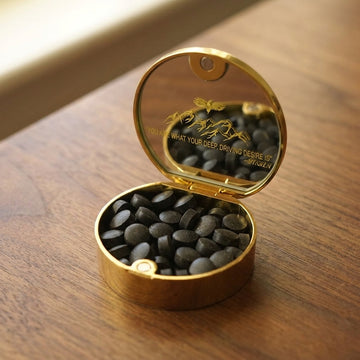


The best sleep gummies in 2026 use a multi-pathway formula: low-dose melatonin, GABA, L-theanine, magnesium glycinate, and calming botanicals. The goal is not to sedate you harder. The goal is to help the nervous system downshift, support sleep onset, and reduce the odds of waking up groggy.
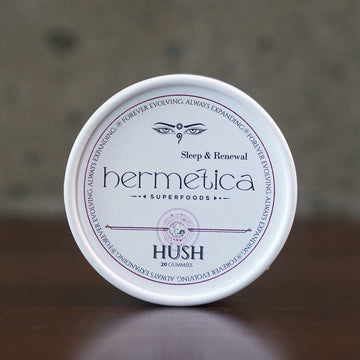
Skip gummies built around 5-10 mg melatonin, vague proprietary blends, artificial dyes, and sugar-heavy formulas. That is exactly the brief Hush answers: a gentle 0.35 mg of melatonin paired with L-theanine, reishi, and passion flower, 20 gummies per cream tin, third-party tested and made in the USA.
Hermetica Superfood Co.
The sleep supplement market in 2026 is flooded with single-ingredient melatonin gummies that overpromise and underdeliver. Most contain 5–10 mg of melatonin, far more than your body produces naturally, and nothing else. The best sleep gummies take a different approach entirely: multi-pathway formulas that calm the nervous system, support neurotransmitter balance, and work with your biology instead of overwhelming it. Hush is built on that principle: 0.35 mg of melatonin, not 10.

Here is what changed in 2026: precision won. Shoppers have moved away from mega-dose melatonin and toward formulas that combine neurotransmitter support, botanical calm, and a dose you can actually read on the label, which is exactly the thinking behind Hush.
- If falling asleep is the issue: a gentle melatonin dose paired with L-theanine is the combination to look for, and it is exactly what Hush delivers.
- If stress keeps you awake: passion flower and reishi belong in the formula. Hush includes both.
- If you wake up tense or unrested: magnesium glycinate and glycine matter more than another large melatonin dose.
- If you want the whole picture in one tin: Hush states every dose openly, starting with 0.35 mg of melatonin alongside L-theanine, reishi, and passion flower.
For deeper context, compare our guide to natural sleep supplements vs. melatonin and the magnesium glycinate dosage guide.
Why Most Sleep Gummies Fall Short

Most sleep gummies on the market contain one active ingredient, usually melatonin, at doses far higher than your body needs. A 10 mg melatonin gummy might knock you out, but it rarely keeps you asleep. And it almost never addresses the root cause of poor sleep.
The problem is simple. Sleep is not a single-switch process. It involves circadian signaling, neurotransmitter balance, cortisol regulation, and nervous system relaxation, all working together. A gummy that only targets one pathway leaves the others unsupported.

Key Finding: A 2019 study found that combining GABA and L-theanine reduced sleep latency by 20.7% compared to GABA alone, and increased total sleep duration by 87.3%, demonstrating that multi-pathway formulas dramatically outperform single ingredients.
Source: Frontiers in Nutrition, 2022 (DOI: 10.3389/fnut.2022.874254)
Finally, consider the base. Coconut nectar sweetens without spiking blood sugar before bed. Natural flavors from real fruit, like concord grape, make the nightly routine something you look forward to rather than endure.
The Science of GABA and L-Theanine for Sleep

GABA (gamma-aminobutyric acid) is your brain's primary inhibitory neurotransmitter, it slows neuronal firing and creates the calm state your body needs to fall asleep. L-theanine, an amino acid found in green tea, promotes alpha brain waves associated with relaxed wakefulness. Together, they create a synergy that neither achieves alone.
The landmark study published in Pharmaceutical Biology (PMID: 30707852) tested this directly. Researchers gave subjects GABA at 100 mg/kg combined with L-theanine at 20 mg/kg. The results were striking.
Sleep latency, the time it takes to fall asleep, dropped by 20.7% compared to GABA alone. Total sleep duration increased by 87.3%. NREM sleep (the deep, restorative phase) increased by 20.6–28.8%. And REM sleep, critical for memory consolidation and emotional regulation, increased by 99.6% over nine days.
The mechanism is elegant. GABA directly activates inhibitory receptors in the brain, reducing neural excitability. L-theanine crosses the blood-brain barrier and upregulates GABA receptor expression while simultaneously boosting alpha wave activity. The combination does not just add effects, it multiplies them.
GABA as a sleep supplement has gained serious traction in 2026 precisely because of this synergy data. Fermented GABA, produced from rice germ, shows better bioavailability than synthetic forms, which is why premium formulas specify the source.
A separate human exploratory study found that combined GABA and L-theanine supplementation significantly reduced Pittsburgh Sleep Quality Index scores (p<0.001), improved sleep recovery (p=0.042), and lowered resting sleep heart rate (p=0.045). That last finding matters, elevated heart rate during sleep is a marker of poor autonomic regulation and a predictor of next-day fatigue.

Low-Dose Melatonin Changes Everything

Low-dose melatonin (0.5–3 mg) is more effective for sleep quality than the 5–10 mg doses found in most gummies. This is one of the most counterintuitive facts in sleep science, and it is backed by decades of research.
Your pineal gland naturally produces about 0.1–0.3 mg of melatonin per night. A 10 mg supplement floods receptors at 30–100 times physiological levels. The result: receptor downregulation, grogginess the next morning, and diminished effectiveness over time.
At 3 mg or below, supplemental melatonin mimics your body's natural signal. It tells your circadian clock that darkness has arrived without overwhelming the system. You fall asleep on schedule, stay asleep through the night, and wake without the "melatonin hangover" that plagues higher-dose users.
This is precisely why we built Hush around a 0.35 mg gentle 0.35 mg of melatonin per gummy alongside L-theanine, reishi, and passion flower: 20 nights per cream tin, third-party tested, made in the USA, and backed by a 30-day money-back guarantee. See it here: Hush Sleep Gummies.