





The short version: Probiotics are live microorganisms that, when consumed in adequate amounts, confer a health benefit on the host. The best supplements for gut health contain clinically studied strains, particularly Lacticaseibacillus rhamnosus GG, Saccharomyces boulardii, and Bifidobacterium species, at doses of ≥10 billion CFU per day.
Hermetica Superfood Co.
What Are Probiotics, And What They Are Not

If you have ever bought a probiotic and felt nothing, the odds are good it was the wrong strain at the wrong dose. Knowing what actually counts as one of the best probiotic strains for digestive health is the fastest way to stop wasting money. Probiotics, by scientific consensus, are live microorganisms that confer a health benefit on the host when administered in adequate amounts. This definitive standard, meticulously established by the FAO/WHO in 2001 and unequivocally reaffirmed by the International Scientific Association for Probiotics and Prebiotics (ISAPP), mandates three non-negotiable criteria: the organisms must be demonstrably alive, they must be consumed in sufficient, evidence-based quantity, and the health benefit must be clinically documented.
What probiotics are not: magic pills, cure-alls, or a substitute for a diet rich in fiber and fermented foods. The supplement industry has a habit of slapping "probiotic" on products with dead organisms, undisclosed strains, or comically low colony counts. Understanding the definition protects you from these products.
Probiotics for digestive health represent the most well-studied application of these microorganisms, with hundreds of randomized controlled trials (RCTs) and several dozen systematic reviews published in the last decade alone. Yet the nuance matters enormously. A strain that shortens diarrhea by 24 hours may do nothing for constipation, and vice versa.
A Brief History of Probiotic Science
The concept of beneficial microbes dates back to Élie Metchnikoff, the Nobel laureate who hypothesized in 1907 that Bulgarian peasants lived longer because of the lactic-acid bacteria in their yogurt. For decades, the idea remained quaint folklore. It wasn't until the 1990s that molecular tools allowed scientists to identify, sequence, and track individual bacterial strains through the human gastrointestinal tract.
The explosion of 16S rRNA gene sequencing in the 2000s revealed that the human gut harbors roughly 38 trillion bacteria, roughly equal to the number of human cells in the body. This realization transformed "probiotics" from a fringe nutritional concept into a rigorous field of microbiology, immunology, and gastroenterology.
Today, probiotics are the subject of more than 2,500 registered clinical trials on ClinicalTrials.gov, with digestive health remaining the dominant indication.
Your Gut Microbiome: Why It Matters More Than You Think
Before you can appreciate what probiotics do, you need to understand the ecosystem they enter. The human gut microbiome is a community of bacteria, archaea, fungi, and viruses that collectively encode 150 times more genes than the human genome. This microbial organ performs functions the body cannot accomplish on its own:
- Digestion of complex carbohydrates. Humans lack the enzymes to break down most dietary fiber. Gut bacteria ferment these fibers into short-chain fatty acids (SCFAs) like butyrate, propionate, and acetate.
- Vitamin synthesis. Certain bacteria produce vitamin K2, B12, folate, and biotin.
- Immune regulation. Approximately 70% of the body's immune tissue (GALT, gut-associated lymphoid tissue) lines the intestinal wall and is in constant crosstalk with resident microbes.
- Barrier integrity. Commensal bacteria reinforce tight junctions between enterocytes, preventing the translocation of toxins and pathogens, a phenomenon commonly called "leaky gut" when compromised.
Disruption of this ecosystem, through antibiotics, poor diet, chronic stress, or illness, creates a state called dysbiosis that has been linked to conditions ranging from IBS and inflammatory bowel disease (IBD) to metabolic syndrome and depression.
A 2021 systematic review and meta-analysis found that probiotics modulate the gut microbiome by promoting beneficial bacteria like Bifidobacterium and Lactobacillus, which produce short-chain fatty acids (SCFAs) that nourish colonocytes and reduce inflammation. The review also confirmed that specific probiotic strains enhance intestinal barrier function by strengthening tight junctions and decreasing permeability, mitigating conditions associated with leaky gut.
Source: Camilleri M, Curr Opin Clin Nutr Metab Care, 2021. PMID: 34138767

How Probiotics Work: The Three Core Mechanisms
Probiotics do not simply "add more good bacteria" to your gut. Their mechanisms are far more sophisticated and operate at multiple levels simultaneously.
1. Competitive Exclusion of Pathogens
Beneficial bacteria compete with pathogenic organisms for adhesion sites on the intestinal epithelium and for available nutrients. By occupying ecological niches, probiotics reduce the foothold available to harmful bacteria like Clostridioides difficile, pathogenic E. coli, and Salmonella.
2. Modulation of the Immune Response
Probiotics interact with dendritic cells, macrophages, and T-cells in the GALT. They can upregulate anti-inflammatory cytokines (like IL-10) while downregulating pro-inflammatory signals (like TNF-α and IL-6). This immunomodulatory effect is one reason probiotics show promise in conditions from allergic disease to autoimmunity.
3. Production of Bioactive Metabolites
Probiotic bacteria produce SCFAs, bacteriocins (natural antimicrobial peptides), and neurotransmitter precursors. Butyrate, the primary fuel for colonocytes, has been shown to reduce intestinal inflammation, improve barrier function, and even influence gene expression through epigenetic mechanisms.
Research confirms that specific probiotic strains inhibit pathogens, shorten diarrhea duration, and improve bowel regularity through competitive exclusion and modulation of gut motility. These mechanisms operate in parallel, making multi-strain formulations potentially advantageous for broad digestive support.
Source: Guarino A et al., J Clin Gastroenterol, 2015. PMID: 26447963
The Most Clinically Studied Probiotic Strains for Digestion

Not all probiotics are created equal. Benefits are strain-specific, meaning Lactobacillus acidophilus NCFM may have different effects than Lactobacillus acidophilus La-5, even though they share a species name. Here are the strains with the deepest evidence base for digestive applications:
Lacticaseibacillus rhamnosus GG (LGG): Perhaps the most studied probiotic strain in the world. LGG has strong evidence for preventing and treating acute infectious diarrhea, antibiotic-associated diarrhea, and certain IBS symptoms. Clinical trials typically use doses of ≥10 billion (10¹⁰) CFU per day.
Saccharomyces boulardii: A probiotic yeast (not a bacterium) with robust evidence for preventing C. difficile-associated diarrhea and traveler's diarrhea. Because it is a yeast, it is naturally resistant to antibiotics, making it particularly useful during antibiotic therapy.

Bifidobacterium lactis BB-12: Well-studied for improving bowel regularity, reducing bloating, and supporting immune function. Often found in combination formulas.
Bifidobacterium longum 35624: Specifically studied in IBS patients, with evidence of reducing abdominal pain, bloating, and bowel movement irregularity.
Lactobacillus plantarum 299v: Shown in RCTs to reduce IBS symptoms, particularly abdominal pain and flatulence.
Bacillus coagulans GBI-30, 6086: A spore-forming probiotic with enhanced shelf stability. Evidence supports its use for IBS-related abdominal pain and bloating.
Which Probiotics Are Best for Digestive Health?
The best probiotics for digestive health are strain-specific formulations backed by randomized controlled trials, delivered at clinically effective doses of at least 10 billion CFU per day. For acute diarrhea, Lacticaseibacillus rhamnosus GG and Saccharomyces boulardii have the strongest evidence. For IBS, Bifidobacterium longum 35624 and Lactobacillus plantarum 299v demonstrate the most consistent results. For general digestive support and regularity, multi-strain formulations containing Bifidobacterium and Lactobacillus species show broad benefits.
This is not a case where "more strains = better." A product with 30 strains at sub-therapeutic doses will likely underperform a product with two or three well-dosed, well-studied strains. Quality, specificity, and dose matter far more than label-count bragging rights.
Probiotics and Diarrhea: What the Evidence Actually Shows
Diarrhea remains the strongest evidence base for probiotic intervention. The data breaks down into several categories:
Acute Infectious Diarrhea
Multiple Cochrane reviews have found that probiotics reduce the duration of acute infectious diarrhea by approximately 25 hours on average. The effect is most pronounced when probiotics are initiated within 48 hours of symptom onset and at doses exceeding 10 billion CFU per day.
Antibiotic-Associated Diarrhea (AAD)
Antibiotics indiscriminately kill both pathogenic and commensal bacteria, often resulting in diarrhea in 5–39% of patients. A meta-analysis of 82 RCTs found that probiotics reduce the risk of AAD by 37%. Saccharomyces boulardii and Lacticaseibacillus rhamnosus GG show the most consistent effects.

Clostridioides difficile Infection (CDI)
CDI is the most dangerous form of antibiotic-associated diarrhea. Evidence suggests that S. boulardii may reduce CDI recurrence, though guidelines from the American College of Gastroenterology note that evidence quality is moderate and the benefit is most clear in high-risk populations.
A comprehensive 2021 review evaluated the role of probiotics in preventing and treating various forms of diarrhea. Results demonstrated that specific strains, particularly Saccharomyces boulardii and Lacticaseibacillus rhamnosus GG at high doses (≥10¹⁰ CFU/day), significantly reduced diarrhea duration and severity. The review emphasized that benefits are dose-dependent and strain-specific.
Source: Camilleri M, Curr Opin Clin Nutr Metab Care, 2021. PMID: 34138767
Probiotics for IBS: Strain Selection Makes or Breaks the Outcome
Irritable bowel syndrome affects 10–15% of the global population and remains notoriously difficult to treat. Probiotics have emerged as a low-risk, potentially effective adjunct therapy, but the literature is messy, largely because studies use different strains, doses, and endpoints.
What the best evidence tells us:
- Bifidobacterium longum 35624 (branded as Alflorex/Align) reduced abdominal pain, bloating, and bowel difficulty in a landmark 2006 RCT published in Gastroenterology. The effect was specific to this strain; two other Lactobacillus strains tested in the same trial showed no benefit.
- Lactobacillus plantarum 299v reduced the frequency and severity of abdominal pain in IBS patients in a 2012 double-blind RCT.
- Multi-strain VSL#3 (now branded Visbiome in some markets) showed benefit in IBS-D (diarrhea-predominant) and IBS-M (mixed type) in several small trials.
The critical takeaway: probiotics for IBS are not interchangeable. If you have IBS-C (constipation-predominant), a strain studied only for diarrhea-predominant IBS may not help, and could theoretically worsen symptoms.
Probiotics and Constipation

Functional constipation affects up to 20% of adults worldwide, and the evidence for probiotics here is encouraging but less robust than for diarrhea. Bifidobacterium lactis strains (particularly BB-12 and HN019) have been shown to increase stool frequency and improve stool consistency in constipated adults.
A 2014 meta-analysis in the American Journal of Clinical Nutrition found that probiotics increased gut transit time by 12.4 hours and increased stool frequency by 1.3 bowel movements per week. While these numbers may seem modest, for someone having two bowel movements per week, an additional 1.3 represents a clinically meaningful improvement.
The mechanism appears to involve SCFA-mediated stimulation of colonic motility and increased secretion of water into the intestinal lumen, essentially, probiotics help the colon do what it's supposed to do.
Probiotics and SIBO: Promising but Proceed with Caution
Small intestinal bacterial overgrowth (SIBO) occurs when bacteria that normally reside in the large intestine colonize the small intestine, causing bloating, gas, diarrhea, and malabsorption. The relationship between probiotics and SIBO is complicated.
Some clinicians avoid probiotics during active SIBO treatment, fearing they might "add fuel to the fire." However, emerging evidence suggests that certain probiotic strains may actually help resolve SIBO by normalizing motility and outcompeting overgrown species.
A 2021 meta-analysis found that benefits for IBS, constipation, and SIBO are promising but strain-specific, requiring further high-quality RCTs to confirm optimal use. The overall consensus supports targeted probiotic use for certain digestive issues in specific populations, though evidence quality varies.
Source: McFarland LV et al., EClinicalMedicine, 2021. PMID: 34712929
Prebiotics, Postbiotics, and Synbiotics: Understanding the Full Ecosystem
Probiotics don't operate in a vacuum. Three related concepts complete the picture:
Prebiotics are non-digestible fibers that selectively feed beneficial bacteria. Common examples include inulin, fructooligosaccharides (FOS), galactooligosaccharides (GOS), and resistant starch. Stachyose, a tetrasaccharide found in legumes, has shown prebiotic potential, clinical trials have used 5 g/day of stachyose granules to promote Bifidobacterium growth.
Postbiotics are the bioactive metabolites produced by probiotic bacteria, SCFAs, enzymes, peptides, and cell wall fragments that confer health benefits even in the absence of live organisms. This is a rapidly growing area of research.
Synbiotics combine probiotics and prebiotics in a single product, theoretically providing both the beneficial organisms and the substrate they need to thrive. Well-designed synbiotics may offer advantages over probiotics alone, particularly for long-term colonization.
The Gut-Immune Connection: How Probiotics Defend Beyond Digestion
The gut is the body's largest immune organ. Approximately 70% of all immune cells reside in gut-associated lymphoid tissue (GALT), making the intestinal microbiome a central regulator of systemic immunity.
Probiotics influence immune function through several pathways:
- Enhancement of secretory IgA (sIgA): sIgA is the first line of mucosal defense. Multiple probiotic strains increase sIgA production, reducing susceptibility to respiratory and gastrointestinal infections.
- Regulation of T-helper cell balance: Probiotics can shift the Th1/Th2 balance, reducing allergic (Th2-driven) responses while maintaining antimicrobial (Th1-driven) defenses.
- Training of innate immunity: Exposure to probiotic cell wall components (like peptidoglycan and lipoteichoic acid) keeps innate immune cells in a state of readiness without chronic activation.
This immune-gut axis is why digestive health and overall resilience are fundamentally linked, and why the best supplements for gut health don't just improve digestion but support the body's broader defense systems.
The Gut-Brain Axis and Probiotics

The gut-brain axis is a bidirectional communication network linking the enteric nervous system ("the second brain") with the central nervous system. The gut contains 500 million neurons and produces more than 90% of the body's serotonin.
Probiotics that influence this axis are sometimes called "psychobiotics." While this article focuses on digestive health, many digestive complaints, particularly IBS, have a strong neurological component. Stress worsens IBS symptoms, and IBS worsens stress, creating a vicious cycle.
Certain strains, including Bifidobacterium longum 1714 and Lactobacillus helveticus R0052, have shown anxiolytic effects in RCTs, which may partly explain why gut-directed probiotic therapy can improve IBS symptoms even when the underlying bowel pathology doesn't change.
Clinical Dosing: How Much Do You Actually Need?
One of the biggest sources of confusion in probiotic supplementation is dosing. Here's what the clinical evidence supports:
For general digestive maintenance: 1–10 billion CFU/day of well-studied strains is typically sufficient for healthy adults seeking to maintain a balanced microbiome.
For acute conditions (diarrhea, AAD prevention): ≥10 billion (10¹⁰) CFU/day is the minimum effective dose in most clinical trials. Some studies used considerably higher doses, up to 450 billion CFU/day in the case of VSL#3 for ulcerative colitis.
For IBS: Effective doses range from 1 billion to 100 billion CFU/day depending on the strain. Bifidobacterium longum 35624 showed benefit at just 1 billion CFU/day, while multi-strain formulas typically require higher counts.
Clinical trials establishing probiotic efficacy for diarrhea most commonly used doses of ≥10¹⁰ CFU/day of Lacticaseibacillus rhamnosus GG, with benefits observed when treatment was initiated early and continued for the duration of illness. Dose-response relationships were evident, with higher doses generally producing larger effects.
Source: Guarino A et al., J Clin Gastroenterol, 2015. PMID: 26447963
Survivability: Do Probiotics Even Make It Past Your Stomach?
This is the question skeptics love to raise, and it's a fair one. Stomach acid has a pH of 1.5–3.5, which is hostile to most bacteria. But the reality is more nuanced:
- Many clinical trials show efficacy with standard capsules, suggesting sufficient organisms survive gastric transit to colonize the intestines.
- Enteric-coated or delayed-release capsules can improve survivability by 10–100x in some studies.
- Spore-forming probiotics (like Bacillus coagulans) are naturally acid-resistant, as their endospore structure protects them through the stomach.
- Taking probiotics with food, particularly a meal containing some fat, raises stomach pH and improves bacterial survival.
The concern about gastric destruction is valid but overstated. Well-formulated probiotics at clinical doses deliver more than enough viable organisms to the intestines, even with some gastric attrition.
Probiotics and Estrogen: An Emerging Connection
Can probiotics help with estrogen metabolism? The answer involves the "estrobolome", the collection of gut bacteria capable of metabolizing estrogen through the enzyme beta-glucuronidase.
When the estrobolome is balanced, estrogen is properly conjugated in the liver and excreted. When dysbiosis disrupts this process, beta-glucuronidase activity increases, deconjugating estrogen and allowing it to re-enter circulation. This can contribute to estrogen dominance, a factor in conditions like endometriosis, PMS, and hormone-sensitive cancers.
Certain Lactobacillus and Bifidobacterium species have been shown to reduce excessive beta-glucuronidase activity, potentially supporting healthy estrogen balance. While this area needs more large-scale RCTs, the mechanism is biologically plausible and the preliminary data is intriguing.
Probiotics and GLP-1 Agonists: What the Science Says
With the explosion of GLP-1 receptor agonist medications (semaglutide, tirzepatide), a common question has emerged: should you take probiotics with GLP-1 drugs?
GLP-1 agonists slow gastric emptying, which can cause nausea, constipation, and changes in gut motility, all of which alter the intestinal environment. There is no direct contraindication between probiotics and GLP-1 medications, and some clinicians recommend probiotics to manage the GI side effects of these drugs.
Theoretically, slower gastric emptying could increase probiotic exposure to stomach acid, potentially reducing viability. Enteric-coated formulations or spore-forming strains may be preferable for individuals on GLP-1 therapy. However, no published RCTs have specifically studied this interaction, so recommendations remain based on mechanistic reasoning and clinical experience.
Probiotics and MTHFR Mutations
The MTHFR gene encodes methylenetetrahydrofolate reductase, an enzyme critical for folate metabolism. Certain polymorphisms (particularly C677T and A1298C) reduce enzyme activity and can impair methylation, affecting everything from homocysteine levels to neurotransmitter production.
How do probiotics fit in? Some gut bacteria, including specific Bifidobacterium and Lactobacillus strains, produce bioavailable folate (vitamin B9). For individuals with MTHFR mutations who struggle with folate metabolism, a healthy gut microbiome may provide supplementary folate in its active (5-MTHF) form.
Additionally, probiotics support the gut's ability to absorb methylated B-vitamins from food and supplements. While probiotics alone won't "fix" an MTHFR mutation, they represent one layer of a comprehensive methylation support strategy.
Fermented Foods vs. Probiotic Supplements: Do You Need Both?
Fermented foods, yogurt, kefir, sauerkraut, kimchi, miso, kombucha, are the original probiotics. They deliver live microorganisms alongside a matrix of nutrients, organic acids, and bioactive peptides. A 2021 Stanford study found that a high-fermented-food diet increased microbiome diversity and reduced inflammatory markers more effectively than a high-fiber diet over 10 weeks.
However, fermented foods have limitations as therapeutic interventions:
- Strain and dose variability. A serving of yogurt may contain anywhere from millions to billions of CFU, and the exact strains vary by brand and batch.
- No strain-specific evidence. Clinical trials study defined strains at defined doses. The heterogeneous microbial communities in fermented foods don't map neatly onto this framework.
- Dietary restrictions. Many fermented foods contain dairy, histamine, or alcohol, which some individuals cannot tolerate.
The ideal approach: use fermented foods as a daily foundation and targeted probiotic supplements for specific therapeutic goals.
How to Choose a High-Quality Probiotic Supplement

The probiotic supplement market is flooded with products of wildly varying quality. Here's a framework for evaluating any probiotic:
1. Strain identification down to the alphanumeric designation. A label that says "Lactobacillus acidophilus" without a strain identifier (like NCFM, La-5, or DDS-1) is a red flag. You cannot verify clinical evidence without the strain designation.
2. CFU count guaranteed at expiration, not at manufacture. Bacteria die during shelf life. A product that guarantees "10 billion CFU at time of manufacture" may deliver far less by the time you take it.
3. Evidence of third-party testing. Independent verification (USP, NSF, ConsumerLab) confirms that the product contains what the label claims.
4. Appropriate delivery technology. Enteric coating, delayed-release capsules, or microencapsulation improves gastric survival for acid-sensitive strains.
5. Clinical evidence for the specific formula or its component strains. The gold standard is a product with its own published RCT, but strain-level evidence from independent trials is also acceptable.
Does Probiotic Supplementation Actually Help Gut Health?
Probiotics demonstrably help gut health for specific conditions when the right strains are used at adequate doses. The evidence is strongest for: (1) reducing the duration of acute infectious diarrhea by approximately 25 hours, (2) preventing antibiotic-associated diarrhea with a 37% relative risk reduction, (3) improving global IBS symptoms including abdominal pain and bloating, and (4) increasing bowel movement frequency in functional constipation.
Where the evidence is weaker or absent: using random, unstudied strains for vague "gut health" claims, using probiotics to treat IBD in place of established therapies, or expecting permanent microbiome changes from short courses of supplementation.
The honest answer: probiotics work, but they work best when used with intention and specificity.
A systematic review and meta-analysis evaluating probiotics for functional constipation found that probiotic supplementation, particularly with Bifidobacterium lactis, significantly improved whole-gut transit time and stool frequency compared to placebo. Effects were most pronounced with multi-strain formulations and treatment durations exceeding 4 weeks.
Source: Camilleri M, Curr Opin Clin Nutr Metab Care, 2021. PMID: 34138767
Timing and Administration: When Should You Take Probiotics?
The optimal timing of probiotic ingestion has been studied, and the answer is straightforward: take probiotics with or just before a meal containing some fat.
Here's why:
- Food buffers stomach acid, raising gastric pH from ~1.5 (fasting) to ~4.0–5.0, dramatically improving bacterial survival.
- Fat in the meal may further protect bacterial membranes during gastric transit.
- A 2011 study in Beneficial Microbes found that probiotic survival was best when taken 30 minutes before or simultaneously with a meal, and worst when taken 30 minutes after eating.
Consistency matters more than perfection. A probiotic taken daily at a slightly suboptimal time will outperform one taken perfectly but sporadically.
Potential Risks and Side Effects of Probiotics
Probiotics have an excellent safety profile in healthy individuals, but they are not risk-free:
- Gas and bloating during the first 1–2 weeks of use are common as the microbiome adjusts. These symptoms typically resolve without intervention.
- Histamine production. Some strains (particularly certain Lactobacillus species) produce histamine, which can worsen symptoms in individuals with histamine intolerance.
- Risk in immunocompromised individuals. Rare cases of bacteremia and fungemia have been reported in severely immunocompromised patients, ICU patients, and those with central venous catheters. Healthy individuals face essentially zero risk of systemic infection from probiotics.
- D-lactic acidosis. Extremely rare, mostly reported in individuals with short bowel syndrome who take very high doses of D-lactate-producing strains.
Safety assessments across multiple systematic reviews confirm that probiotics are generally recognized as safe (GRAS) for the general population. Adverse events in clinical trials are typically mild and self-limiting (gas, bloating). Serious adverse events are confined to severely immunocompromised populations and are exceedingly rare in healthy adults.
Source: McFarland LV et al., EClinicalMedicine, 2021. PMID: 34712929
Probiotics for Specific Populations: Children, Elderly, and Pregnant Women
Children: LGG and S. boulardii have the strongest pediatric evidence, particularly for acute gastroenteritis and AAD prevention. The American Academy of Pediatrics acknowledges some evidence for these strains, though they stop short of universal recommendations.
Elderly adults: Aging is associated with reduced microbiome diversity, increased Clostridioides colonization, and declining immune function. Probiotics containing Bifidobacterium species may help restore age-related microbiome shifts and reduce infection risk in institutional settings.
Pregnant and lactating women: Probiotics appear safe during pregnancy and may reduce the risk of gestational diabetes, preeclampsia, and infant eczema. Strains like LGG and Bifidobacterium lactis BB-12 have the most pregnancy-specific data.
The Role of Adaptogens and Botanicals in Gut Support
While probiotics deliver live organisms, a comprehensive digestive health strategy often benefits from complementary botanical support. Adaptogenic herbs and digestive botanicals can address underlying factors, like stress-induced gut dysfunction, inflammation, and sluggish motility, that probiotics alone may not fully resolve.
Ingredients like ashwagandha (which modulates cortisol, a key driver of stress-related gut disruption), reishi mushroom (which has demonstrated prebiotic-like effects on the microbiome), and ginger (a well-established prokinetic) work synergistically with probiotic supplementation.
This is where Cozy earns its place: a caffeine-free adaptogenic chai with reishi and lion's mane that turns the wind-down half of gut care into something you actually look forward to.
Building a Complete Gut Health Protocol
Optimal digestive health requires a multi-layered approach. Here's an evidence-based protocol framework:
1. Dietary foundation: 25–38 grams of fiber daily from diverse sources (vegetables, legumes, whole grains, nuts, seeds) to feed beneficial bacteria.
2. Fermented foods: 2–3 servings daily of foods like yogurt, kefir, sauerkraut, or kimchi for broad microbial exposure.
3. Targeted probiotic supplementation: Strain-specific products at clinical doses for your particular digestive concern.
4. Prebiotic support: Inulin, FOS, GOS, or resistant starch to selectively promote Bifidobacterium and Lactobacillus growth.
5. Stress management: Chronic stress directly impairs gut motility, increases intestinal permeability, and shifts the microbiome toward pro-inflammatory species. Meditation, exercise, and adaptogenic herbs all have supporting evidence.
6. Sleep optimization: Circadian disruption alters microbiome composition. Consistent sleep-wake cycles support microbial diversity.
7. Avoidance of unnecessary antibiotics and NSAIDs: Both classes of drugs damage the microbiome, sometimes with effects lasting months.
Common Myths About Probiotics, Debunked
Myth: All probiotics are the same.
Reality: Probiotic effects are strain-specific. Lactobacillus rhamnosus GG and Lactobacillus rhamnosus HN001 are different organisms with different clinical profiles.
Myth: Higher CFU counts are always better.
Reality: Some strains work at 1 billion CFU; others require 100 billion. The right dose depends on the strain and the condition being treated.
Myth: Probiotics permanently colonize your gut.
Reality: Most supplemental probiotics are transient visitors. They exert their effects during transit and for a short time afterward, which is why consistent daily use matters.
Myth: You don't need probiotics if you eat yogurt.
Reality: Yogurt provides general microbial exposure but not the strain-specific, dose-specific benefits of targeted supplementation.
Myth: Probiotics are just for digestion.
Reality: Probiotics influence immune function, mental health, metabolic markers, and even skin health through gut-mediated pathways.
Myth: Refrigerated probiotics are always superior.
Reality: Some strains (like spore-forming Bacillus species) are perfectly stable at room temperature. Refrigeration is necessary only for strains that are temperature-sensitive.
Long-Term Use: Is It Safe to Take Probiotics Indefinitely?
Long-term probiotic use has been studied in trials lasting up to 12 months with no evidence of harm in healthy adults. Since most probiotic organisms are transient (they don't permanently colonize), there is no theoretical risk of "overgrowth" from continued supplementation.
That said, the microbiome is dynamic. What your gut needs at 25, during a round of antibiotics, during pregnancy, or at 70 may differ substantially. Periodic reassessment of your probiotic regimen, ideally guided by symptoms and, where available, microbiome testing, is reasonable.
Long-term safety data from multiple clinical trials and systematic reviews support the continued use of probiotics in healthy populations without significant adverse effects. The European Food Safety Authority (EFSA) has granted Qualified Presumption of Safety (QPS) status to numerous Lactobacillus and Bifidobacterium species used in probiotic supplements.
Source: Guarino A et al., J Clin Gastroenterol, 2015. PMID: 26447963
The Future of Probiotic Science

The probiotic field is evolving rapidly. Several developments will reshape digestive health supplementation in the coming decade:
- Precision probiotics: Microbiome sequencing will enable individualized strain recommendations based on a person's unique microbial profile.
- Next-generation probiotics: Species like Akkermansia muciniphila and Faecalibacterium prausnitzii, not traditionally used in supplements, are showing remarkable effects on metabolic health and gut barrier function in early trials.
- Engineered probiotics: Genetically modified bacteria designed to produce specific therapeutic molecules directly in the gut are in clinical development for conditions like IBD and phenylketonuria.
- Phage therapy: Bacteriophages, viruses that selectively kill specific bacterial species, may eventually be used alongside probiotics to precisely reshape the microbiome.
- Postbiotic supplements: As understanding of microbial metabolites deepens, supplements delivering SCFAs, bacteriocins, and other bioactive compounds directly may complement or, in some cases, replace live organisms.
How to Read a Probiotic Supplement Label
A well-labeled probiotic should include:
- Full strain names (genus, species, and strain designation)
- CFU count per serving at time of expiration
- Storage instructions (room temperature vs. refrigeration)
- Other ingredients (including any allergens, fillers, or prebiotics)
- Suggested use including timing and whether to take with food
- Manufacturer contact information and lot number for traceability
Red flags: labels listing only genus and species (no strain), CFU guaranteed only at manufacture, proprietary blends that hide individual strain amounts, and unsupported health claims.
Probiotics and Inflammatory Bowel Disease: Where Do We Stand?
IBD, encompassing Crohn's disease and ulcerative colitis, involves chronic, relapsing inflammation of the GI tract. The evidence for probiotics in IBD is condition-specific:
Ulcerative colitis: The multi-strain formula VSL#3 (now Visbiome) has the best evidence, with RCTs showing efficacy in maintaining remission and treating mild-to-moderate pouchitis. The 2020 AGA guidelines conditionally recommend VSL#3 for pouchitis prevention.
Crohn's disease: Unfortunately, probiotics have not shown consistent benefit for inducing or maintaining remission in Crohn's disease. This may be because Crohn's primarily affects the small intestine, where orally administered probiotics have less opportunity to colonize.
This distinction matters: a blanket claim that "probiotics help IBD" is misleading. They may help certain forms of ulcerative colitis; they likely don't help Crohn's.
Systematic reviews evaluating probiotics for inflammatory bowel disease confirm that multi-strain formulations (particularly VSL#3/Visbiome) show benefit for ulcerative colitis and pouchitis maintenance, while evidence for Crohn's disease remains insufficient. Strain specificity and disease phenotype are critical determinants of clinical outcomes.
Source: Camilleri M, Curr Opin Clin Nutr Metab Care, 2021. PMID: 34138767
Storage, Shelf Life, and Viability: Protecting Your Investment
You're paying for live organisms, ensuring they stay alive until consumption is non-negotiable. Here are the key considerations:
- Temperature: Heat is the primary killer of probiotic bacteria. Unless the product specifically uses spore-forming or heat-stable strains, store in a cool, dry place or refrigerate per label instructions.
- Moisture: Water activates bacterial metabolism, causing organisms to "wake up" and quickly die without nutrients. Desiccant packets in the bottle exist for a reason, leave them in.
- Oxygen: Many Bifidobacterium and Lactobacillus species are anaerobic or microaerophilic. Blister packs or nitrogen-flushed bottles maintain an oxygen-free environment far better than open bottles.
- Expiration dates: Always check them. A product past its expiration date may contain a fraction of its labeled CFU count.
Probiotics for Travel: Protecting Your Gut Abroad
Traveler's diarrhea affects 30–70% of international travelers depending on destination. Saccharomyces boulardii at 250–500 mg (approximately 5–10 billion CFU) daily, starting 5 days before travel and continuing throughout the trip, has shown the most consistent protective effect.
LGG has also been studied for traveler's diarrhea prevention, with mixed but generally positive results. The combination of a proven probiotic with commonsense food and water precautions represents the most evidence-based approach to travel gut health.
Because S. boulardii is a yeast, it doesn't require refrigeration and survives heat better than most bacterial probiotics, a practical advantage for travel.
Common Questions
Which probiotics are best for digestive health?
Does probiotic supplementation actually help with gut health?
Should you take probiotics with GLP-1 medications?
What probiotics are good for MTHFR mutation?
Can probiotics help with estrogen balance?
How many CFU should a probiotic contain?
When is the best time to take probiotics?
Can probiotics cause side effects?
How long does it take for probiotics to work?
Are fermented foods as effective as probiotic supplements?
Do probiotics need to be refrigerated?
Can you take probiotics long-term?
What is the difference between probiotics, prebiotics, and synbiotics?


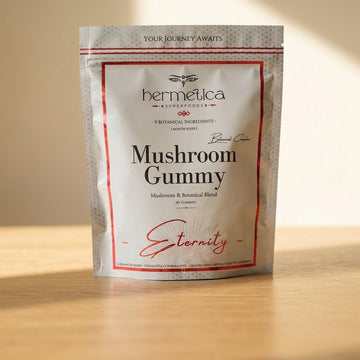
Lion's Mane, Reishi, Cordyceps, Chaga and more, standardized to 40% beta-glucans. Six mushroom extracts, one gummy a day.
Pairs Well With This Article

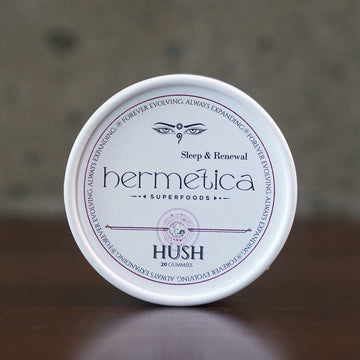
A precise 0.35 mg melatonin low dose with L-theanine, reishi, and passion flower. 20 gummies per tin.
Six mushroom extracts standardized to 40% beta-glucans. One gummy a day, third-party tested.

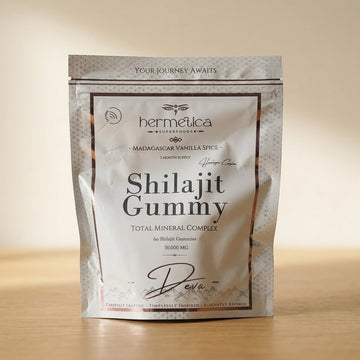
30,000 MG of purified Himalayan shilajit per serving. Resin-free, with naturally occurring fulvic acid.
Relevant Articles


Continue Reading
Natural Sleep Supplements vs Melatonin: What Science Actually Recommends in 2025
Natural Sleep Gummies vs Prescription Sleep Aids: Safety, Effectiveness & Long-term Impact
Vegan Collagen: Plant-Based Alternatives That Actually Build Collagen (Not Just Hype)

Why People Choose Hermetica