


The short version: The best supplements for men's hair growth target the root biochemical causes of thinning, DHT overproduction, chronic inflammation, oxidative stress, and micronutrient deficiency. Clinical evidence supports saw palmetto (a natural 5-alpha-reductase inhibitor), biotin, zinc, marine collagen peptides, and adaptogenic botanicals like ashwagandha when taken consistently for 3–6 months.
Hermetica Superfood Co.
Why Men Lose Hair: The Biology You Need to Understand First

If your hairline is moving, the useful news is that thinning is a chain of biochemical steps, not a verdict. About 95% of male hair loss is androgenetic alopecia, male-pattern baldness, and every link in that chain, from DHT conversion to follicle inflammation to plain nutrient gaps, can be influenced. Here is how the chain works and where a supplement actually fits.
Here's the simplified chain of events:
1. Testosterone converts to dihydrotestosterone (DHT) via the enzyme 5-alpha-reductase (5AR).
2. DHT binds to androgen receptors in genetically susceptible hair follicles, primarily along the temples, crown, and vertex.
3. The follicle miniaturizes. Each successive hair cycle produces a thinner, shorter, less pigmented strand until the follicle effectively goes dormant.
4. The anagen (growth) phase shortens while the telogen (resting) phase lengthens, creating the visible illusion of "losing hair" when you're actually growing weaker hair.
This is critical context because it tells you what a men's hair growth supplement needs to accomplish: reduce DHT at the follicular level, extend the anagen phase, reduce local inflammation, and supply the raw nutritional building blocks for keratin synthesis.
A landmark study in the Journal of the American Academy of Dermatology confirmed that DHT levels in balding scalp tissue are significantly elevated compared to non-balding areas, establishing DHT as the primary androgen mediator of male-pattern hair loss. This finding underlies the rationale for 5-alpha-reductase inhibition as a therapeutic target.
PMID: 12573818
The Five Root Causes of Male Hair Thinning
Hair loss in men is rarely caused by a single factor. Most thinning results from the convergence of multiple biological stressors:
1. Hormonal imbalance (excess DHT): The primary driver in AGA. Even men with "normal" testosterone levels can overproduce DHT if 5AR activity is elevated.
2. Chronic microinflammation: Perifollicular inflammation damages the follicle's structural integrity and disrupts nutrient delivery. Studies show inflammatory infiltrates in over 70% of AGA biopsies.
3. Oxidative stress: Free radicals attack the dermal papilla cells that govern follicle cycling, accelerating miniaturization.
4. Nutrient deficiency: Iron, zinc, biotin, vitamin D, and amino acids are all essential substrates for keratin production and follicle health. Deficiency in any one can accelerate shedding.
5. Stress-induced telogen effluvium: Cortisol spikes push follicles prematurely into the resting phase. This is distinct from AGA but frequently compounds it.
Multi-component formulations enhance terminal hair density by modulating androgen pathways, reducing inflammation, and promoting nutrient delivery to hair follicles. This is why the most effective men's hair growth supplements use a multi-pathway approach rather than relying on a single ingredient.
Can Supplements Actually Help Support Hair Growth in Men?
Let's address the skepticism head-on: yes, supplements can help support healthier hair growth in men, but with important caveats.
Clinical studies indicate that certain nutraceuticals combining botanicals, vitamins, minerals, and plant extracts like saw palmetto can significantly improve hair growth, density, and quality in men with thinning hair compared to placebo, with effects observed after 3–6 months. These supplements are generally well-tolerated with no adverse effects on sexual function, though evidence is limited by small sample sizes and proprietary formulations.
What supplements cannot do:

- Reverse advanced baldness (Norwood stage V+) where follicles have permanently scarred
- Replace finasteride or minoxidil in cases where medical intervention is clearly indicated
- Work overnight, any product promising visible results in under 8 weeks is misleading you
What they can do:
- Slow the rate of thinning by modulating DHT and inflammation
- Improve hair shaft thickness and tensile strength
- Extend the anagen growth phase
- Fill nutritional gaps that accelerate shedding
- Complement medical treatments with orthogonal mechanisms
A randomized, double-blind, placebo-controlled trial demonstrated that a proprietary nutraceutical containing botanicals, vitamins, and minerals taken daily for six months significantly increased terminal hair counts and hair density in men with thinning hair, with no reported adverse effects on sexual function.
PMID: 27506633
What Is the Best Supplement for Hair Growth in Men?
The best supplement for hair growth in men is one that addresses multiple biological pathways simultaneously, DHT inhibition, inflammation reduction, antioxidant protection, and micronutrient repletion, using clinically validated ingredients at evidence-based dosages. No single-ingredient supplement is likely to produce meaningful results on its own. The most effective formulations combine saw palmetto extract, biotin, zinc, vitamin D, marine-derived collagen peptides, and adaptogenic herbs.
This is a declarative answer because it reflects the consensus of the clinical literature: multi-target approaches outperform single-ingredient strategies for male hair thinning.
Saw Palmetto: Nature's DHT Blocker

Saw palmetto (Serenoa repens) is the most extensively researched botanical for male hair loss. Its mechanism is direct and well-characterized: saw palmetto extract inhibits 5-alpha-reductase to reduce dihydrotestosterone (DHT) levels, which contribute to androgenetic alopecia, supporting hair thickness and density.
How it works: Saw palmetto contains a complex of fatty acids and phytosterols that competitively inhibit both Type I and Type II 5-alpha-reductase isoenzymes. This dual inhibition is notable because finasteride (Propecia) primarily targets only Type II.
Clinical evidence: Multiple studies have demonstrated that 200–320 mg/day of standardized saw palmetto extract can improve hair density in men with mild-to-moderate AGA. A 2020 meta-analysis found that saw palmetto improved hair quality ratings in 60% of treated subjects versus placebo.

Important nuance: Saw palmetto is not "natural finasteride." Its DHT-lowering effect is gentler (approximately 32% reduction versus finasteride's 70%), which means fewer sexual side effects but also more modest results. For early-stage thinning, this gentler profile is often the ideal trade-off.
A systematic review and meta-analysis of randomized controlled trials found that saw palmetto extract significantly improved self-assessed hair growth and investigator-assessed hair density in men with androgenetic alopecia, with a favorable safety profile compared to finasteride.
PMID: 33313047
Biotin: Separating Hype From Evidence
Biotin (vitamin B7) is perhaps the most marketed "hair vitamin" in existence, and also one of the most misunderstood. Here's the reality:
Biotin deficiency causes hair loss. This is unambiguous. Biotin is a cofactor for carboxylase enzymes essential to fatty acid synthesis and amino acid metabolism, both of which are critical for keratin production.
Biotin supplementation in non-deficient individuals has limited evidence for hair regrowth. Most clinical trials showing benefit were conducted in populations with existing biotin deficiency or suboptimal levels.
However: Subclinical biotin insufficiency is more common than most people realize, particularly in men who consume alcohol regularly, take certain medications (anticonvulsants, antibiotics), or have gut absorption issues. A 2017 review found that 38% of women complaining of hair loss had low biotin levels; similar data for men is emerging.
The practical takeaway: biotin at 2,500–5,000 mcg/day is a reasonable, low-risk inclusion in a hair growth stack, not as a magic bullet, but as nutritional insurance.
A comprehensive review published in Skin Appendage Disorders found that while biotin supplementation showed benefit for hair growth in individuals with biotin deficiency, evidence for its efficacy in non-deficient populations remains limited, highlighting the importance of assessing biotin status before supplementation.
PMID: 28879195
Zinc: The Underrated Mineral for Hair Follicle Health
Zinc plays a foundational role in hair biology that is often overlooked in the supplement conversation. It's involved in over 300 enzymatic reactions, many of which directly impact hair follicle cycling:
- DNA synthesis and cell division in the hair matrix
- Immune regulation at the perifollicular level
- 5-alpha-reductase modulation (zinc is a mild natural inhibitor)
- Antioxidant defense via superoxide dismutase activation
Serum zinc levels are significantly lower in men with AGA compared to healthy controls in multiple studies. Supplementation at 50 mg/day (as zinc gluconate or zinc picolinate) has shown promise for restoring hair growth in zinc-deficient individuals.
Critical warning: Zinc supplementation above 40 mg/day long-term can deplete copper stores, potentially worsening hair loss. Always pair zinc supplementation with 1–2 mg of copper.

A case-control study published in the Annals of Dermatology found that serum zinc concentrations were significantly lower in subjects with hair loss compared to healthy controls, and that zinc supplementation provided therapeutic benefit when deficiency was confirmed.
PMID: 24371385
Vitamin D: The Sunshine Hormone Your Follicles Crave
Vitamin D receptors are expressed in hair follicle keratinocytes, and their activation is essential for anagen initiation. Put simply: without adequate vitamin D, your follicles struggle to enter and sustain the growth phase.
The problem is widespread. An estimated 42% of American adults are vitamin D deficient (<20 ng/mL), with men who work indoors, live at northern latitudes, or have darker skin pigmentation at highest risk.
Clinical data linking low vitamin D to alopecia:
- Men with AGA have significantly lower serum 25(OH)D levels than age-matched controls
- Vitamin D deficiency is associated with increased telogen shedding
- Topical vitamin D analogs (calcipotriol) have demonstrated hair growth in small trials
Supplementation range: 2,000–5,000 IU/day of vitamin D3, ideally with vitamin K2 for calcium metabolism optimization. Test your levels (25-hydroxyvitamin D) before and during supplementation.
Iron and Ferritin: The Silent Saboteurs
While iron-deficiency anemia is more common in women, men are not immune, especially vegetarians, vegans, endurance athletes, and those with GI conditions. Ferritin (stored iron) levels below 40 ng/mL are associated with increased telogen effluvium and impaired hair regrowth.
Iron's role in hair biology:
- Oxygen delivery to the dermal papilla via hemoglobin
- Mitochondrial electron transport in rapidly dividing hair matrix cells
- Ribonucleotide reductase cofactor required for DNA synthesis
If you're a man experiencing diffuse thinning (not classic receding pattern), check your ferritin. It's the single most under-tested lab value in male hair loss workups.
Adaptogens and Hair Growth: The Cortisol Connection

Here's where the conversation gets interesting, and where most conventional hair loss guides stop short. Chronic stress is a direct and independent cause of hair loss, operating through mechanisms distinct from AGA:
- Elevated cortisol pushes follicles from anagen into catagen/telogen prematurely
- Cortisol-induced inflammation damages the perifollicular microenvironment
- Stress depletes nutrients (zinc, magnesium, B vitamins) that follicles require
- HPA axis dysregulation alters growth factor signaling in the dermal papilla
This is where adaptogenic herbs, particularly ashwagandha (Withania somnifera), enter the picture. Ashwagandha has been shown in multiple RCTs to significantly reduce serum cortisol levels (by 23–30%), improve perceived stress scores, and modulate the HPA axis.
The connection to hair hasn't been established in direct RCTs yet, but the mechanistic pathway is strong: lower cortisol → reduced telogen conversion → more follicles in active growth. For men experiencing stress-related thinning (and who isn't, in 2025?), adaptogenic support isn't a luxury, it's a logical intervention.
A prospective, randomized, double-blind, placebo-controlled study found that ashwagandha root extract (300 mg twice daily) significantly reduced serum cortisol levels by an average of 27.9% over 60 days compared to placebo, while also improving stress-resistance scores.
PMID: 23439798
Marine Collagen and Protein Peptides for Hair Structure
Hair is approximately 95% keratin, a structural protein, and its synthesis requires a steady supply of amino acids, particularly proline, glycine, and cysteine. Marine collagen peptides provide these precursors in a highly bioavailable form.
Clinical data on marine protein supplements (MPS) for hair is encouraging. Studies using proprietary marine protein complexes taken daily for 3 months have demonstrated significant increases in:
- Terminal hair count
- Hair shaft diameter (cross-sectional area)
- Vellus-to-terminal hair conversion
The mechanism is straightforward: you're providing the raw building blocks that hair follicles need to produce thick, structurally sound hair shafts. Think of it as giving a construction crew premium-grade materials instead of asking them to build with scraps.
A double-blind, placebo-controlled study demonstrated that oral marine protein supplementation for 90 days significantly increased the number of terminal hairs and decreased hair shedding in men with self-perceived thinning hair.
PMID: 26574302
Omega-3 Fatty Acids and Follicular Inflammation
Chronic low-grade inflammation at the follicular level is increasingly recognized as a significant contributor to AGA progression. Omega-3 fatty acids (EPA and DHA) exert potent anti-inflammatory effects through:
- Prostaglandin modulation: Increasing anti-inflammatory prostaglandin E1 while reducing pro-inflammatory prostaglandin D2 (PGD2). Notably, PGD2 levels are dramatically elevated in balding scalp tissue.
- Resolution of inflammation: Omega-3s generate specialized pro-resolving mediators (resolvins, protectins) that actively terminate inflammatory cascades.
- Follicle membrane integrity: Fatty acids maintain cell membrane fluidity in rapidly dividing hair matrix cells.
A 2015 randomized trial found that omega-3 and omega-6 supplementation for six months significantly reduced hair loss and improved hair density in subjects with thinning hair.
Effective dosage: 1,000–2,000 mg combined EPA/DHA daily, preferably from triglyceride-form fish oil or algae-derived sources.
A randomized, comparative study demonstrated that supplementation with omega-3 and omega-6 fatty acids along with antioxidants for 6 months significantly improved hair density, reduced the telogen percentage, and increased the anagen percentage in subjects with thinning hair.
PMID: 25573272
MSM (Methylsulfonylmethane): Sulfur for Keratin Cross-Linking
MSM provides bioavailable sulfur, an element critical for the disulfide bonds that give keratin its structural integrity. Without adequate sulfur, hair shafts become brittle, weak, and prone to breakage (which looks and feels like hair loss even when follicles are technically functional).
While direct clinical trials of MSM for hair loss in men are limited, the biochemical rationale is robust:
- Sulfur is the third most abundant mineral in the human body
- Keratin contains high concentrations of cysteine (a sulfur-amino acid)
- Disulfide bond density directly correlates with hair tensile strength
Dosage: 1,000–3,000 mg/day, typically well-tolerated with minimal GI effects.
Pumpkin Seed Oil: The Emerging DHT Fighter
Pumpkin seed oil has emerged as a promising natural 5-alpha-reductase inhibitor with a small but compelling evidence base. A 2014 randomized, double-blind, placebo-controlled trial of 76 men with mild-to-moderate AGA found that 400 mg/day of pumpkin seed oil for 24 weeks produced a 40% increase in hair count compared to a 10% increase in the placebo group.
A randomized, placebo-controlled, double-blind study in 76 male patients with mild to moderate androgenetic alopecia found that pumpkin seed oil (400 mg/day for 24 weeks) significantly increased mean hair count by 40% from baseline, compared to 10% in the placebo group.
PMID: 24864154
B-Complex Vitamins Beyond Biotin
While biotin gets all the press, the full spectrum of B vitamins plays interconnected roles in hair metabolism:
- B5 (Pantothenic acid): Supports adrenal function and reduces cortisol-mediated hair shedding; also a precursor to Coenzyme A, essential for fatty acid metabolism in the follicle.
- B6 (Pyridoxine): Facilitates amino acid metabolism, including the conversion of methionine to cysteine for keratin synthesis.
- B9 (Folate): Critical for DNA synthesis in rapidly dividing hair matrix cells. Folate deficiency causes megaloblastic changes in hair follicle epithelium.
- B12 (Cobalamin): Required for red blood cell formation and oxygen delivery to the scalp. Deficiency is associated with premature graying and diffuse alopecia.
The message: don't supplement biotin in isolation. A comprehensive B-complex provides synergistic support for the entire hair growth ecosystem.
The Adaptogen-Nutrient Stack: Building a Complete Protocol

Based on the totality of evidence, here's what a research-informed men's hair growth supplement stack looks like:
| Ingredient | Mechanism | Clinical Dosage | Evidence Level |
|---|---|---|---|
| Saw Palmetto Extract | 5AR inhibition, DHT reduction | 200–320 mg/day | Strong (multiple RCTs) |
| Biotin | Keratin synthesis cofactor | 2,500–5,000 mcg/day | Moderate (deficiency-dependent) |
| Zinc (+ Copper) | 5AR modulation, cell division | 25–50 mg/day (+ 1-2 mg Cu) | Moderate |
| Vitamin D3 | Anagen initiation, follicle cycling | 2,000–5,000 IU/day | Moderate |
| Ashwagandha | Cortisol reduction, HPA axis support | 300–600 mg/day | Strong (for stress) |
| Marine Collagen Peptides | Keratin precursor amino acids | 2,500–5,000 mg/day | Moderate |
| Omega-3 (EPA/DHA) | Anti-inflammatory, PGD2 reduction | 1,000–2,000 mg/day | Moderate |
| Pumpkin Seed Oil | 5AR inhibition | 400 mg/day | Moderate (1 RCT) |
| B-Complex | Multiple metabolic cofactors | Full-spectrum | Supporting |
The short version: a good formula works on several fronts at once, easing DHT pressure, calming inflammation, and filling the mineral gaps that quietly starve a follicle.
How Long Do Men's Hair Growth Supplements Take to Work?
This is the first question every man asks, so here is the honest month-by-month.
Weeks 1–4: No visible change. Ingredients are building to therapeutic blood levels. Nutrient deficiencies are beginning to correct.
Weeks 4–8: Possible "adjustment shedding." Some men notice slightly increased shedding as weak telogen hairs are pushed out to make room for stronger anagen hairs. This is actually a positive sign, though it doesn't feel like one.
Months 2–3: Early signs of improvement, less shedding in the shower, hair that feels thicker between your fingers, a calmer scalp. This is the stage you notice before anyone else does.
Months 3–6: This is the evidence-based window for measurable results. Clinical studies using proprietary nutraceutical supplements taken daily for 6 months show significant increases in terminal hair density and hair quality. Expect fuller-looking coverage, thicker individual strands, and reduced thinning at the temples and crown.
Months 6–12: Continued improvement. Hair follicle cycling takes time, and some follicles that were dormant may need multiple cycles to return to full terminal hair production.
The golden rule: Commit to a minimum of 90 days before evaluating results, and 180 days before making a final judgment. Anything less is insufficient for the biology to play out.
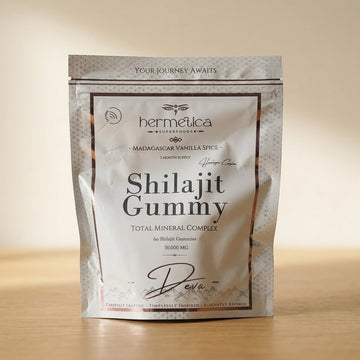
Deva: 30,000 MG of Shilajit, One Gummy a Day
That multi-pathway logic is exactly how Deva is built. Each serving delivers 30,000 MG of purified Himalayan shilajit, resin-free, with naturally occurring fulvic acid and 85+ trace minerals, alongside ashwagandha, lion's mane, and cordyceps. One gummy covers the mineral, adaptogen, and inflammatory sides of hair health at once.
If you are in the early-to-moderate stages and want to start without a prescription, Deva is the place to start: $60 a jar, third-party tested, made in the USA, and backed by a 30-day money-back guarantee.
Finasteride vs. Natural Supplements: An Honest Comparison
We'd be doing you a disservice if we didn't address the pharmaceutical elephant in the room. Finasteride (Propecia) is the most effective oral treatment for male-pattern hair loss, reducing scalp DHT by approximately 70% at the standard 1 mg/day dose. Its efficacy is well-documented across large, long-term clinical trials.
Where finasteride excels:
- Superior DHT suppression
- Largest evidence base of any hair loss treatment
- Effective for Norwood III–V pattern loss
Where natural supplements may be preferable:
- No sexual side effects (2–5% of finasteride users report decreased libido, erectile dysfunction)
- No "post-finasteride syndrome" risk (controversial but reported)
- Address multiple pathways (inflammation, stress, nutrition) that finasteride does not
- No prescription required
- Can be combined with finasteride for additive effects
The pragmatic approach: For mild-to-moderate thinning (Norwood I–III), a well-designed supplement stack may be sufficient. For moderate-to-advanced loss, consider combining supplements with medical treatments under a dermatologist's guidance. This isn't an either/or decision.
Lifestyle Factors That Amplify Supplement Effectiveness
Supplements don't operate in a vacuum. Their effects are dramatically influenced by the biological terrain they're working within. Here are the lifestyle factors that multiply (or undermine) your supplement investment:
Sleep (7–9 hours): Growth hormone, which is critical for hair follicle repair and cycling, is secreted primarily during deep (N3) sleep. Chronic sleep deprivation suppresses GH and elevates cortisol, a double hit to hair.
Exercise (moderate intensity): Regular exercise improves scalp blood flow, reduces systemic inflammation, and modulates cortisol. However, extreme endurance training can paradoxically increase cortisol and accelerate shedding.
Protein intake (0.8–1.2 g/kg/day): Hair is protein. Inadequate protein intake is one of the most common and easily correctable causes of diffuse thinning in men, especially those on calorie-restricted diets.
Alcohol moderation: Alcohol depletes zinc, B vitamins, and vitamin D while increasing estrogen and disrupting liver metabolism of androgens.
Stress management: Whether through meditation, breathwork, therapy, or simply reducing overcommitment, managing chronic stress is not optional for hair health, it's foundational.
Scalp Health: The Soil Your Hair Grows In
You can have the best seeds (supplements, nutrients) in the world, but if the soil (scalp) is depleted, compacted, or toxic, nothing will grow well. Scalp health factors that impact supplement efficacy:
- Seborrheic dermatitis: Yeast-driven inflammation that damages follicles. Treat with ketoconazole shampoo 2–3x/week.
- Scalp tension (galea aponeurotica tightness): Emerging research suggests that mechanical tension in the scalp's connective tissue layer may restrict blood flow to follicles.
- Product buildup: Silicone-heavy styling products can occlude follicles. Clarify regularly.
- Microcirculation: Scalp massage for 4 minutes daily has been shown to increase hair thickness, likely through improved blood flow and mechanotransduction signaling.
A standardized scalp massage protocol performed for 4 minutes daily over 24 weeks resulted in statistically significant increases in hair thickness in healthy men, suggesting that mechanical stimulation improves follicular health through enhanced blood flow and altered gene expression in dermal papilla cells.
PMID: 27274349
The DHT Paradox: Why Body Hair Grows While Head Hair Falls
This is one of the most fascinating, and frustrating, aspects of male hair biology. DHT stimulates hair growth on the beard, chest, and body, yet destroys hair on the scalp. How is this possible?
The answer lies in the androgen receptor density and signaling pathways of different follicle populations. Scalp follicles in AGA-prone areas express a unique combination of:
- Higher androgen receptor density
- Different cofactor proteins (such as DKK-1, a Wnt inhibitor)
- Distinct prostaglandin profiles (elevated PGD2, depressed PGE2)
This means that DHT-lowering strategies work specifically on the vulnerable scalp follicles without affecting body or facial hair growth, a common concern among men considering 5AR inhibitors.
What to Look for (and Avoid) in a Men's Hair Growth Supplement
Look for:
- Transparent ingredient labels with specific dosages (no proprietary blends hiding under-dosed ingredients)
- Clinically studied forms (e.g., saw palmetto standardized to 85–95% fatty acids; zinc picolinate or bisglycinate over zinc oxide)
- Multi-pathway formulation (DHT + inflammation + nutrition)
- Third-party testing for purity and potency
- Realistic timeline claims (3–6 months, not "visible results in 2 weeks")
Avoid:
- Products relying solely on biotin at mega-doses
- Proprietary blends with undisclosed individual dosages
- "Before and after" photos that look too good to be true (they usually are)
- Products claiming to "regrow" hair in areas of complete baldness
- Anything containing undisclosed pharmaceutical ingredients (yes, some supplements have been found to contain unlabeled finasteride or minoxidil)
Common Mistakes Men Make With Hair Supplements
Mistake #1: Starting and stopping. Hair biology operates on cycles measured in months. Taking a supplement for 3 weeks and quitting because you don't see results is like planting a seed, checking for a tree the next morning, and declaring gardening doesn't work.
Mistake #2: Relying on supplements alone. If your diet is garbage, you're sleeping 5 hours a night, and your stress is through the roof, no supplement on earth will overcome that biological headwind.
Mistake #3: Ignoring dosage. Many commercial hair supplements contain trace amounts of key ingredients, enough for the label claim, nowhere near enough for clinical effect. A saw palmetto supplement with 50 mg won't produce the results seen in studies using 320 mg.
Mistake #4: Not taking baseline photos. Hair changes are gradual. Without standardized photos (same lighting, angle, wet vs. dry) at baseline and monthly intervals, you'll never accurately assess progress.
Mistake #5: Chasing the "best" single ingredient. There is no best single ingredient. The evidence consistently favors multi-component formulations that address the multiple root causes of thinning simultaneously.
Combining Supplements With Topical Treatments
For men who want to maximize results, combining oral supplements with evidence-based topical treatments creates a powerful inside-out, outside-in protocol:
- Minoxidil (5% topical): The only FDA-approved topical for male hair loss. Works via potassium channel opening and increased scalp blood flow. Orthogonal mechanism to all supplement ingredients.
- Ketoconazole shampoo (2%): Anti-fungal with demonstrated anti-androgenic activity at the follicular level. Use 2–3x/week.
- Rosemary oil: A 2015 RCT found rosemary oil as effective as 2% minoxidil for hair count improvement at 6 months, with less scalp irritation.
- Caffeine shampoo: Topical caffeine stimulates hair follicle growth by counteracting DHT-mediated suppression. Modest but real effect.
A randomized comparative trial found that topical rosemary oil applied for 6 months produced hair count increases comparable to 2% minoxidil, with significantly fewer reports of scalp itching, suggesting rosemary oil as a viable natural topical adjunct for hair growth.
PMID: 25842469
Lab Tests Every Man Should Get Before Supplementing
Don't guess, test. The following blood panels provide critical context for supplement selection:
1. Complete blood count (CBC): Rules out anemia
2. Ferritin: Stored iron; target >70 ng/mL for hair health
3. 25-hydroxyvitamin D: Target 40–60 ng/mL
4. Zinc and copper (serum): Assess zinc status and zinc:copper ratio
5. Thyroid panel (TSH, free T3, free T4): Hypothyroidism mimics AGA
6. Testosterone (total and free): Establishes baseline androgen status
7. DHEA-S: Adrenal androgen precursor
8. Comprehensive metabolic panel: Liver/kidney function (affects supplement metabolism)
9. Homocysteine: Elevated levels indicate B-vitamin insufficiency
This isn't overkill, it's precision. A supplement stack informed by lab data will outperform one chosen by Instagram ads every single time.
The Norwood Scale: Matching Supplements to Your Stage

Not all hair loss is created equal, and your supplement strategy should reflect your current stage:
Norwood I–II (Minimal recession): Supplements alone may be sufficient. Focus on DHT modulation (saw palmetto, pumpkin seed oil), nutrient optimization, and stress management. This is the ideal time to intervene, prevention is infinitely easier than restoration.
Norwood II–III (Noticeable thinning): Supplements remain valuable but consider adding topical treatments (minoxidil, rosemary oil). This is the stage where most men first notice changes and take action.
Norwood III–IV (Moderate loss): Supplements serve as complementary therapy. Medical consultation recommended. Finasteride + supplements + topicals provides the most comprehensive approach.
Norwood V+ (Advanced loss): Supplements play a supporting role. Primary interventions at this stage are medical (finasteride, hair transplant surgery). Supplements help maintain remaining hair and optimize transplant results.
GLP-1 Medications and Hair Loss: An Emerging Concern
With the explosion of GLP-1 receptor agonists (semaglutide, tirzepatide) for weight management, reports of hair loss among users are increasing. The mechanism is likely multifactorial:
- Rapid caloric restriction depletes nutrients critical for hair growth
- Protein inadequacy from reduced appetite and food intake
- Telogen effluvium triggered by acute metabolic stress
- Micronutrient malabsorption from altered GI transit
If you're experiencing hair loss while on GLP-1 medications, supplementation becomes even more important, particularly protein, zinc, iron, biotin, and vitamin D. This is not an indication to stop your medication; it's an indication to support your body's nutritional needs more aggressively.
The Gut-Hair Connection: Microbiome and Follicle Health
Emerging research reveals a bidirectional relationship between gut health and hair growth:
- Nutrient absorption: Even the best supplements are useless if your gut can't absorb them. Small intestinal bacterial overgrowth (SIBO), leaky gut, and dysbiosis all impair micronutrient absorption.
- Systemic inflammation: Gut-derived endotoxins (lipopolysaccharide/LPS) drive chronic systemic inflammation that reaches the scalp.
- Vitamin production: Gut bacteria synthesize biotin, folate, and vitamin K. Dysbiosis reduces endogenous production.
- Immune modulation: 70% of your immune system resides in the gut. Immune dysregulation contributes to inflammatory hair loss.
Practical implications: consider probiotics, fiber-rich diets, and fermented foods as part of your hair health protocol. If you have digestive symptoms, address them, your hair will thank you.
Research has demonstrated a significant relationship between gut microbiome composition and hair follicle cycling, with germ-free and dysbiotic animal models showing altered hair growth patterns, suggesting that gut health optimization may support hair growth in humans.
PMID: 28813664
Realistic Expectations: Before-and-After Photography Pitfalls
The supplement industry profits from unrealistic expectations. Let's set honest benchmarks:
What "success" actually looks like with supplements:
- 10–25% increase in hair density over 6 months (based on clinical trial data)
- Visually thicker individual hair strands
- Reduced daily shedding (from 100+ to <80 hairs/day)
- Improved hair texture and manageability
- Slowed progression of thinning (maintenance is a legitimate win)
What success does NOT look like:
- Complete coverage of bald areas
- Results comparable to hair transplant surgery
- Transformation photos you'd see on a supplement bottle
Managing expectations isn't pessimism, it's the foundation for sustained commitment. Men who expect moderate, gradual improvement are far more likely to continue supplementation long enough to achieve meaningful results than those expecting miracles.
Diet for Hair Growth: What to Eat Alongside Your Supplement
Your supplement fills gaps, but your diet should be doing the heavy lifting:
Hair-building foods:
- Eggs: Biotin, protein, zinc, selenium, nature's hair supplement
- Oysters: Highest zinc content of any food (74 mg per 6 medium oysters)
- Salmon: Omega-3s, vitamin D, protein trifecta
- Dark leafy greens: Iron, folate, vitamin C (enhances iron absorption)
- Sweet potatoes: Beta-carotene, converted to vitamin A for sebum production
- Nuts and seeds: Vitamin E, zinc, omega-3s (walnuts)
- Bone broth: Collagen, glycine, proline for keratin synthesis
- Berries: Vitamin C, anthocyanins (antioxidant protection for follicles)
Hair-destroying dietary patterns:
- Chronic caloric deficit (below BMR)
- Very low protein intake (<0.6 g/kg/day)
- High glycemic index diets (insulin spikes increase DHT conversion)
- Excessive alcohol (depletes zinc, B vitamins, disrupts liver androgen metabolism)
Debunking Hair Supplement Myths
Myth: "Biotin mega-doses (10,000+ mcg) will regrow hair faster."
Reality: There's no evidence that exceeding 5,000 mcg provides additional benefit. Biotin is water-soluble; excess is excreted. However, high-dose biotin does interfere with lab tests (troponin, TSH, etc.), which can cause dangerous misdiagnoses.
Myth: "Hair vitamins work within 2 weeks."
Reality: The hair cycle is measured in months. Any product claiming 2-week visible results is either misleading or relying on cosmetic tricks (fiber-based concealers, volumizing agents in the formula).
Myth: "Supplements can replace finasteride."
Reality: For advanced AGA, no. For early-stage thinning, potentially, but they're operating through different mechanisms and magnitudes.
Myth: "Wearing hats causes hair loss."
Reality: No. This has been studied and debunked. Unless you're wearing a hat tight enough to cause traction alopecia (and that would be painfully tight), hats have zero effect on follicle health.
Myth: "High testosterone causes baldness."
Reality: DHT, not total testosterone, drives AGA. Men with identical testosterone levels can have vastly different 5AR activity and androgen receptor sensitivity. Some of the most muscular, high-testosterone men have full heads of hair.
Special Considerations: Hair Loss From Chemotherapy and Medical Treatments
Chemotherapy-induced alopecia (CIA) operates through a fundamentally different mechanism than AGA, cytotoxic drugs target all rapidly dividing cells, including hair matrix keratinocytes. Supplements cannot prevent CIA, but they may support faster recovery after treatment completion:
- Post-chemo nutritional repletion: Zinc, iron, biotin, and protein supplementation can support the regeneration process
- Timeline: Most patients see hair regrowth beginning 3–6 months post-treatment
- Texture changes: Regrown hair often differs in color and texture initially; this typically normalizes over 12–18 months
- Scalp cooling: The primary evidence-based prevention method during treatment (not supplementation)
For lupus-related hair loss: Autoimmune-mediated alopecia requires immunomodulatory treatment as the primary intervention. Supplements (especially vitamin D, omega-3s, and anti-inflammatory botanicals) may play a supporting role but should never replace prescribed immunotherapy.
When to See a Dermatologist
Supplements are not a substitute for medical evaluation. See a dermatologist or trichologist if:
- You're losing hair in patches (may indicate alopecia areata, an autoimmune condition)
- Thinning is rapid and diffuse (may indicate thyroid disorder, medication side effect, or nutritional deficiency)
- You have scalp pain, redness, or scarring (may indicate cicatricial alopecia, a medical emergency for follicle preservation)
- Your thinning has progressed to Norwood IV+ despite conservative measures
- You want to consider finasteride, dutasteride, or hair transplant surgery
- You're under 25 with aggressive hair loss (may warrant hormonal workup)
A good dermatologist will conduct a thorough evaluation including dermoscopy, blood work, and possibly a scalp biopsy before recommending treatment.
Common Questions
Is there such a thing as a hair growth supplement that actually works?
What is the best supplement for hair growth in men?
How long do hair growth supplements take to show results?
Can saw palmetto replace finasteride for hair loss?
Do biotin supplements actually help with hair growth?
What vitamins are good for lupus hair loss?
How do you grow back hair after chemotherapy?
What should I do about hair loss from GLP-1 medications?
Are there side effects from hair growth supplements?
Can stress really cause hair loss in men?
Should I get blood work done before taking hair supplements?
Do hair supplements work for receding hairlines specifically?
Can I take hair supplements along with minoxidil or finasteride?


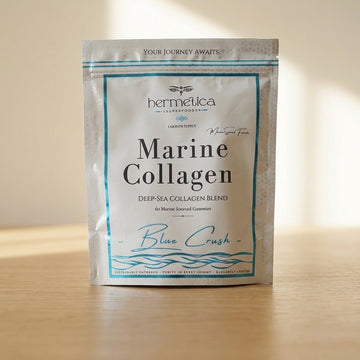
Wild-caught marine collagen with hyaluronic acid, blue spirulina and tremella, for skin, hair and nails.
Pairs Well With This Article


Relevant Articles


Continue Reading
Best Sleep Gummies 2025: What Actually Works (and What Doesn't)
Resveratrol Benefits: The Anti-Aging Compound That Activates Your Longevity Genes
Supplements For Lowering Cortisol Levels: The Evidence-Based Guide for 2026

Why People Choose Hermetica