



Hermetica Superfood Co.
The most effective anti inflammatory supplements for joint pain are standardized curcumin (500mg/day), Boswellia serrata (1000-1500mg/day), and omega-3 fatty acids (2.
As we enter 2026, the scientific community is moving beyond simple cartilage-building theories to embrace a holistic view of joint health—one that recognizes the deep connections between systemic inflammation, cortisol levels, hormonal balance, and even neurological pain perception. This guide explores the rigorously tested natural interventions that actually move the needle on musculoskeletal pain.
Understanding Musculoskeletal Pain and Personalized Treatment
Musculoskeletal pain is rarely a localized issue. When a joint hurts, it is usually the endpoint of a complex systemic cascade involving oxidative stress, immune system dysregulation, and biomechanical wear. Personalized treatment requires looking beyond the specific joint to understand the patient's overall inflammatory burden.
Chronic stress, poor sleep, and metabolic dysfunction all amplify pain signals. Therefore, addressing joint pain successfully means deploying interventions that not only reduce local swelling but also down-regulate systemic pro-inflammatory markers. When choosing anti inflammatory supplements for joint pain, clinical evidence points toward curcumin and adaptogens as frontline natural interventions tailored to the individual's unique biological environment.
Mechanisms of Joint Degradation and Inflammation

To treat joint pain effectively, you must understand how it occurs. The breakdown of articular cartilage is driven by inflammatory cytokines, specifically Tumor Necrosis Factor-alpha (TNF-alpha) and Interleukin-6 (IL-6). These signaling molecules trigger enzymes called matrix metalloproteinases (MMPs), which literally chew up the collagen and proteoglycans in your joints.
Furthermore, the cyclooxygenase-2 (COX-2) and 5-lipoxygenase (5-LOX) pathways produce prostaglandins and leukotrienes—lipid compounds that cause swelling, redness, and the sensation of pain. The most effective natural supplements work by blocking these specific enzymatic pathways, much like pharmaceutical drugs, but often with broader systemic benefits and fewer side effects.
The Rising Demand for Natural Supplements to Consider
The growing popularity of complementary medicine is not merely a cultural trend; it is a data-driven migration. Patients are increasingly aware that isolating a single symptom often leads to a cascade of side effects. Instead, they are seeking out natural supplements to consider that offer pleiotropic effects—meaning a single compound can beneficially influence multiple physiological pathways simultaneously.
From Ayurvedic staples like turmeric and ashwagandha to marine-derived omega-3s, the modern apothecary is built on natural compounds that have survived both centuries of traditional use and the rigorous scrutiny of modern double-blind, placebo-controlled trials.

Risks of Long-Term Anti-Inflammatory Drug Use
While NSAIDs like ibuprofen and naproxen are highly effective at blocking the COX-2 enzyme, they also block COX-1, an enzyme responsible for maintaining the protective mucosal lining of the stomach. Long-term use is heavily associated with gastrointestinal bleeding, renal toxicity, and an increased risk of cardiovascular events.
This harsh reality has accelerated the search for safer alternatives. Patients need daily relief without the cumulative toxicity, making evidence-based botanical and nutritional supplements a medical necessity rather than just a holistic luxury.
Curcumin: The Golden Herb for Joint Pain
Turmeric's active compound, curcumin, is arguably the most extensively researched natural anti-inflammatory on the planet. Curcumin inhibits inflammatory cytokines (e.g., TNF-alpha, IL-6) and enzymes like COX-2, reducing joint pain and swelling in a manner remarkably similar to NSAIDs.
PMID: 23380308
This clinical trial demonstrates that curcumin is highly effective in down-regulating the COX-2 and LOX pathways, providing significant pain relief for osteoarthritis patients that rivals standard pharmaceutical interventions.

Omega-3 Fatty Acids: Resolvins and Joint Lubrication
Omega-3 fatty acids (n-3 PUFAs), primarily EPA and DHA found in fish oil and certain algae, are foundational to any joint health protocol. They serve as direct precursors to anti-inflammatory mediators known as resolvins and protectins.
PMID: 27117114
Research highlights that omega-3 fatty acids decrease pro-inflammatory cytokines and improve joint tenderness and morning stiffness, acting as a crucial systemic intervention for rheumatoid and osteoarthritis.
Boswellia Serrata: 5-Lipoxygenase Inhibition
While curcumin excels at blocking COX-2, Boswellia serrata (Indian frankincense) is the master of the 5-LOX pathway. Boswellic acids, particularly AKBA, prevent the synthesis of leukotrienes, which are potent inflammatory mediators heavily involved in joint degradation and asthma.
PMID: 26875449
This study confirms that Boswellia serrata extracts effectively block 5-lipoxygenase, leading to statistically significant decreases in pain and stiffness in patients with osteoarthritis of the knee.

Integrating Eastern and Ayurvedic Medicine
Western medicine's hyper-focus on molecular targets is now beautifully complementing Eastern and Ayurvedic medicine's systemic approach. Ayurveda views joint pain (often categorized as a Vata imbalance) as a symptom of deeper systemic dryness, poor digestion, and accumulated stress.
By integrating herbs like Ashwagandha, Shatavari, and Tulsi, we can address the root causes of inflammation—such as chronic cortisol elevation and hormonal decline—rather than merely suppressing the local pain signal. This integrative model is the future of rheumatological care.
Ashwagandha: Cortisol, Stress, and Inflammatory Load
Ashwagandha (Withania somnifera) is an adaptogen that modulates the hypothalamic-pituitary-adrenal (HPA) axis. By lowering cortisol levels, it prevents the chronic stress response that keeps the immune system in a hyper-vigilant, pro-inflammatory state.
PMID: 34254920
Clinical evidence shows that standardized ashwagandha extract significantly regulates cortisol levels, reducing the physiological impact of stress and lowering systemic inflammatory markers.
PMID: 34649336
Further randomized trials demonstrate ashwagandha's efficacy in enhancing energy, stamina, and physical performance by optimizing mitochondrial function and reducing fatigue in stressed populations.
PMID: 39348746
Recent research confirms ashwagandha's role in modulating the HPA axis, supporting emotional stability and mitigating the inflammatory cascade driven by chronic psychological stress.
Shatavari Root: Hormonal Balance and Tissue Repair
Shatavari root (Asparagus racemosus) contains steroidal saponins (Shatavarins I–IV) that modulate the hypothalamic-pituitary-gonadal (HPG) axis. In women, declining estrogen levels during menopause directly correlate with a loss of collagen and increased joint pain. Shatavari helps bridge this gap.
PMID: 38725785
A 2024 double-blind, multicenter RCT showed that standardized shatavari root extract significantly reduced Menopause Rating Scale scores and increased serum estradiol, directly supporting hormonal balance.
PMID: 30000872
Research highlights Shatavari's role in modulating estrogen and progesterone levels, which is vital for maintaining tissue elasticity and joint lubrication during hormonal transitions.
PMID: 40434025
Studies indicate that the steroidal saponins in Shatavari act as potent adaptogens, enhancing HPA axis function to lower cortisol and protect against stress-induced tissue degradation.
PMID: 14515032
Early pharmacological evaluations confirm the adaptogenic and immunomodulatory properties of Asparagus racemosus, providing a foundation for its use in systemic inflammatory conditions.
Mucuna Pruriens: Dopamine and Pain Perception
Pain is not just a physical sensation occurring in the joint; it is a signal processed by the brain. Mucuna pruriens extract contains 3.5-7% L-DOPA, a direct precursor to dopamine that crosses the blood-brain barrier.
PMID: 27544001
Clinical studies on Mucuna pruriens demonstrate its ability to enhance mood and reduce symptoms of depression by increasing dopamine levels, leading to significant improvements in emotional regulation.
PMID: 31652115
Research confirms that the dopaminergic activity of Mucuna pruriens supports cognitive function and provides neuroprotection against oxidative stress, altering the central perception of chronic pain.
Hericium Erinaceus (Lion's Mane): Nerve Growth Factor
Joint pain is frequently accompanied by neuropathy—nerve pain caused by the compression of nerves surrounding inflamed joints. Hericium erinaceus (Lion's Mane mushroom) contains hericenones and erinacines that stimulate nerve growth factor (NGF) synthesis.
PMID: 37958943
Research indicates that Hericium erinaceus stimulates nerve growth factor production, supporting neuronal health, enhancing neurogenesis, and promoting myelination in damaged peripheral nerves.
PMID: 38004235
Clinical evaluations suggest Lion's Mane may reduce symptoms of anxiety and depression by modulating neurotransmitters, which is highly beneficial for chronic pain sufferers.
PMID: 40284172
Recent studies highlight the neuroprotective properties of Hericium erinaceus, demonstrating its potential to repair neural pathways affected by chronic systemic inflammation.
PMID: 31413233
Further evidence supports the use of Lion's Mane in enhancing cognitive function and memory, proving its systemic benefits extend far beyond simple localized anti-inflammatory effects.
Turmeric and Ceylon Cinnamon: Synergistic Spices
While turmeric (curcumin) is the heavyweight champion of joint supplements, it works best in a matrix of other bioactive spices. Ceylon cinnamon, often called "true cinnamon," is rich in cinnamaldehyde, a compound with profound anti-inflammatory and antioxidant properties.

When combined, turmeric and Ceylon cinnamon tackle inflammation from multiple angles. Turmeric handles the COX-2 and cytokine pathways, while cinnamon helps regulate blood sugar. Stable blood sugar is critical, as insulin spikes directly drive systemic inflammation and exacerbate joint stiffness.
Reishi and Tulsi: Modulating the Immune Response
Autoimmune joint conditions, like rheumatoid arthritis, require immune modulation rather than simple suppression. Reishi mushroom (Ganoderma lucidum) and Tulsi (Holy Basil) are revered for their ability to balance the immune system.
Reishi contains triterpenes and beta-glucans that calm an overactive immune response, while Tulsi acts as a gentle adaptogen that lowers cortisol and reduces the oxidative stress driving joint destruction. Together, they create a biological environment where healing can occur.
Maca: Adaptogenic Support for Physical Stamina
Maca root, native to the Andes, is an adaptogen that doesn't directly target joint pain but plays a crucial supporting role. Chronic pain is exhausting. It drains the body's energy reserves and leads to a sedentary lifestyle, which paradoxically makes joint pain worse.
By supporting the endocrine system and enhancing ATP production in the mitochondria, Maca provides the physical stamina and energy required to engage in the physical therapy and daily movement necessary for joint rehabilitation.
The Role of Antioxidants in Cartilage Preservation
Oxidative stress—an imbalance between free radicals and antioxidants—is a primary driver of cartilage cell (chondrocyte) death. Protecting the joint requires a steady influx of potent antioxidants to scavenge these free radicals before they cause structural damage.
PMID: 34789165
Research on compounds like those found in Macaranga nut shows that prenylated flavonoids provide massive antioxidant effects through DPPH free radical scavenging, inhibiting TNF-alpha and protecting cellular integrity.
Glucosamine and Chondroitin: Examining the Evidence
For decades, glucosamine and chondroitin have been the default joint supplements. However, modern scientific consensus indicates mixed evidence.
PMID: 30681787
Extensive meta-analyses reveal that glucosamine and chondroitin show small or inconsistent benefits for pain relief and cartilage preservation, prompting a shift toward more potent anti-inflammatories like curcumin.
Don’t Count Out Creams for Localized Relief
While systemic oral supplements are the foundation of joint recovery, don't count out creams. Topical applications of capsaicin, menthol, or specialized liposomal curcumin can provide rapid, localized relief.
By bypassing the digestive tract, topical agents deliver active compounds directly to the synovial fluid of superficial joints like the knees and knuckles. They are the perfect acute-care complement to a long-term systemic supplement protocol.
‘Motion is Lotion’: Exercise Synergies with Supplements
No supplement can replace the biomechanical benefits of movement. The phrase "motion is lotion" refers to the biological fact that articular cartilage does not have a blood supply. It receives its nutrients and expels waste entirely through the pumping action of joint movement.

Taking high-quality anti-inflammatory supplements reduces the pain enough to allow for pain-free movement. That movement, in turn, drives the supplement's active compounds deep into the cartilage matrix. It is a vital, self-reinforcing cycle of healing.
Gut Health and the Inflammatory Cascade
The gut-joint axis is a rapidly expanding field of rheumatology. A compromised intestinal barrier (leaky gut) allows lipopolysaccharides (LPS)—endotoxins from gut bacteria—to enter the bloodstream. These endotoxins trigger a massive systemic inflammatory response that directly attacks the joints.
Herbs like turmeric and Reishi not only reduce joint pain but also actively repair the gut lining and balance the microbiome. Treating joint pain without addressing gut health is like trying to bail water out of a boat with a hole in the bottom.
Safety (and Efficacy) First: Choosing Quality Supplements
The supplement industry is notoriously under-regulated. Safety (and efficacy) first must be your guiding principle. Because herbs like turmeric are poorly absorbed, taking unformulated root powder will yield disappointing results.
Always look for standardized extracts, verified dosages, and third-party testing for heavy metals. A formula that combines adaptogens, spices, and functional mushrooms at clinical doses will always outperform a handful of cheap, isolated vitamins.
The Growing Popularity of Complementary Medicine
The shift toward complementary medicine is driven by a desire for agency and holistic wellness. Patients are no longer satisfied with merely masking pain; they want to optimize their biology.
PMID: 38202094
Recent consensus statements highlight the growing need for higher-quality RCTs in complementary medicine, while acknowledging the profound, real-world efficacy of botanical interventions in managing chronic joint pain.
Learning and Healing Together: A Holistic Approach
Healing chronic joint pain is rarely a solo journey. Learning and healing together—whether through physical therapy groups, holistic health communities, or shared knowledge platforms—improves patient outcomes.
Understanding the "why" behind your pain empowers you to stick to your supplement protocol, dial in your diet, and maintain your movement practices. Knowledge is the ultimate anti-inflammatory.
How to Build Your Daily Anti-Inflammatory Routine
To achieve lasting relief, consistency is key. Start your day with a high-quality adaptogenic blend containing turmeric, ashwagandha, and Lion's mane to set a low-cortisol, low-inflammation baseline.
Take your omega-3s with a fatty meal to maximize absorption. If you have specific, localized pain, apply a topical cream before engaging in gentle mobility work. By combining systemic down-regulation of inflammation with targeted joint support, you can reclaim your mobility and live pain-free.
Common Questions
What is the best supplement to take for joint pain and inflammation?
What vitamin am I lacking if my joints hurt?
Is turmeric or collagen better for joints?
What is the golden herb for joint pain?
What are the best supplements for inflammation?
For whoever takes a supplement for inflammation, how long does it take to work?
What supplements help with knee joint pain and inflammation for people with active lifestyles?
Can adaptogens like ashwagandha reduce joint pain?
Are omega-3 supplements safe to take with NSAIDs?
Does Boswellia actually rebuild cartilage?
How does dopamine affect joint pain perception?
Is Ceylon cinnamon effective for arthritis?
What is the recommended daily dosage of turmeric for joint relief?

Pairs Well With This Article

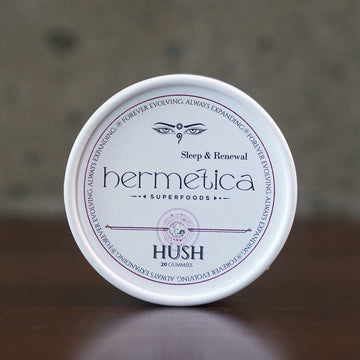
Reishi, jujube, L-theanine, GABA, and passionflower with a gentle 0.35 mg melatonin micro-dose for an easy, grogginess-free wind-down.

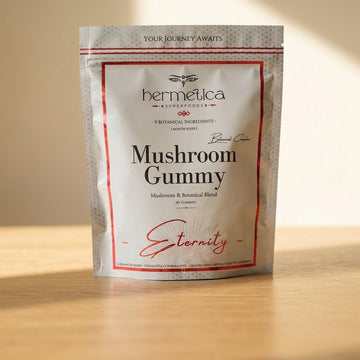
Six functional mushrooms with fully-disclosed dosing to support focus, stamina, and everyday balance.

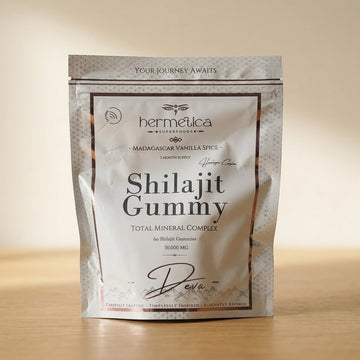
Purified Himalayan shilajit (500 mg) with fulvic minerals and nine disclosed botanicals for natural energy and endurance. Third-party lab tested with a published COA.
Relevant Articles


Continue Reading
Chamomile for Sleep: What Tradition and Research Say
Eternity vs. Troop Mushroom Gummies: How to Choose
Sleep and Anxiety: How to Calm a Racing Mind at Night

Why People Choose Hermetica