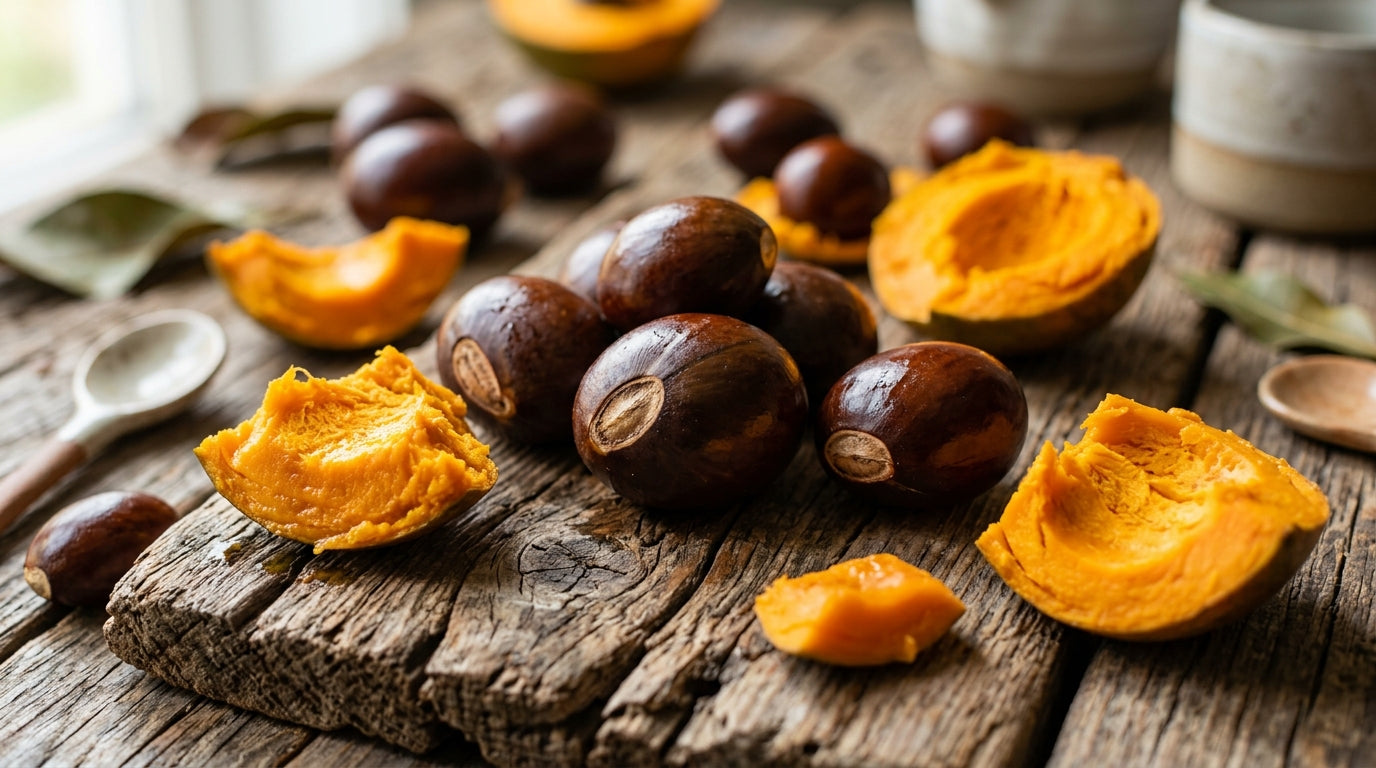
Madagascar Clove (Syzygium aromaticum) contains up to 85% eugenol in its essential oil, which disrupts bacterial cell walls and inhibits biofilm formation against pathogens like E. coli and S. aureus. The spice also contains β-caryophyllene and α-humulene that reduce inflammatory cytokines IL-6 and TNF-α through cyclooxygenase inhibition.

Origin
Madagascar Clove (Syzygium aromaticum) is the aromatic dried flower bud of a tree native to the tropical regions of Madagascar and other humid, coastal areas. It thrives in well-drained, fertile soils with a warm, humid climate. This potent spice is highly valued in functional nutrition for its exceptional antioxidant, antimicrobial, and anti-inflammatory properties.
Potential benefits
- Provides potent antioxidant protection, primarily from eugenol, combating oxidative stress.
- Exerts significant antimicrobial properties, supporting immune function and oral health.
- Modulates inflammatory pathways, reducing symptoms of chronic inflammation.
- Supports digestive health by stimulating enzyme activity and soothing gastrointestinal discomfort.
- Promotes oral health by reducing bacterial growth and alleviating gum irritation.
- Boosts immune function by supplying Vitamin C and other immune-enhancing compounds.
How it works
Eugenol, comprising up to 85% of clove oil, damages bacterial cell membranes and disrupts DNA synthesis while preventing biofilm formation in gram-positive and gram-negative bacteria. β-caryophyllene and α-humulene reduce inflammatory responses by inhibiting TNF-α and prostaglandin E2 production while suppressing nitric oxide synthase and cyclooxygenase expression. These compounds also inhibit CYP3A enzymes and demonstrate free radical scavenging with 536.9 μmol TE/g DPPH activity.
What the research says
Current evidence is limited to in vitro and animal studies, with no published human clinical trials available. Laboratory studies show 94.5-100% fungal inhibition at 200 μg/mL and 90.30% DPPH radical scavenging at 35 μg/mL for eugenyl acetate. Mouse studies demonstrate anti-inflammatory effects comparable to dexamethasone at 50 mg/kg, with significant IL-6 and IL-10 cytokine reduction at 100 μg/well in macrophages. Human clinical data is needed to confirm therapeutic efficacy and establish safe dosing protocols.
Safety and interactions
Madagascar Clove is generally safe for topical antiseptic use, but high eugenol concentrations may cause skin and mucous membrane irritation. α-humulene and other compounds inhibit CYP3A enzymes in human liver microsomes, potentially altering metabolism of medications like statins, immunosuppressants, and certain antibiotics. Use should be avoided during pregnancy and lactation due to lack of safety data, and patients with known eugenol hypersensitivity should avoid exposure. High doses may pose cytotoxicity risks, particularly with compromised skin barriers or open wounds.
Suggested use
- Common Forms: Whole dried buds, ground powder, essential oil.
- Preparation: Use whole or ground in spice blends, teas, savory dishes, and desserts. Infuse in hot water for tea.
- Dosage: 1–2 whole cloves or 1–2 teaspoons of ground clove powder daily.
Frequently asked questions
Does Madagascar Clove help with tooth pain and gum inflammation?
Yes. Madagascar Clove is widely used for oral pain relief due to its high eugenol content, which acts as a natural analgesic and antiseptic. Eugenol disrupts bacterial cell membranes, reducing the growth of oral pathogens responsible for gum disease and cavities. It also modulates inflammatory mediators, including prostaglandin E2, helping to soothe gum irritation. Many dentists historically used eugenol-based preparations for toothache. Applying diluted clove essential oil topically or chewing a whole clove bud may provide temporary relief, though it is not a substitute for professional dental care.
How does Madagascar Clove reduce inflammation in the body?
Madagascar Clove reduces inflammation primarily through two compounds: β-caryophyllene and α-humulene. These sesquiterpenes inhibit cyclooxygenase enzymes and suppress the production of pro-inflammatory cytokines TNF-α, IL-6, and prostaglandin E2. Additionally, they downregulate nitric oxide synthase expression, reducing nitric oxide-driven inflammation. Eugenol further contributes by scavenging free radicals, with a measured DPPH antioxidant activity of 536.9 μmol TE/g. Together, these mechanisms make clove a multi-pathway anti-inflammatory ingredient relevant to chronic inflammatory conditions.
Can Madagascar Clove support digestive health and bloating?
Madagascar Clove supports digestive health by stimulating the activity of digestive enzymes, which can improve the breakdown and absorption of nutrients. Eugenol has carminative properties, helping to relax smooth muscle in the gastrointestinal tract and relieve bloating, gas, and cramping. Infusing 1–2 whole cloves in hot water as a tea is a common traditional preparation for gastrointestinal discomfort. While most evidence is from in vitro and traditional use, the mechanism of enzyme stimulation and muscle relaxation provides a plausible basis for these digestive benefits.
What is the recommended daily dosage of Madagascar Clove powder or whole cloves?
The commonly cited dietary dosage for Madagascar Clove is 1–2 whole dried clove buds or 1–2 teaspoons of ground clove powder per day. These amounts can be incorporated into teas, spice blends, savory dishes, or desserts. Essential oil use requires much smaller quantities and should always be diluted before topical application or use under professional guidance when taken internally. Staying within culinary dosage ranges is generally considered safe for most healthy adults, though exceeding these amounts regularly is not recommended without professional advice.
Does Madagascar Clove have antioxidant benefits?
Yes. Madagascar Clove demonstrates exceptional antioxidant activity, largely attributable to its eugenol content. Measured DPPH free radical scavenging activity has been recorded at 536.9 μmol TE/g, indicating potent oxidative stress protection. Antioxidants neutralise reactive oxygen species that damage cells and contribute to ageing and chronic disease. Regular dietary inclusion of Madagascar Clove in culinary quantities may therefore support cellular protection against oxidative damage, complementing a diet rich in antioxidant foods and vegetables.
Can I take Madagascar Clove extract if I am on blood thinners?
Caution is warranted. Eugenol, the primary active compound in Madagascar Clove, has demonstrated antiplatelet and anticoagulant properties in preclinical studies. When combined with blood-thinning medications such as warfarin or aspirin, it may increase bleeding risk. Additionally, clove's bioactive compounds inhibit CYP3A enzymes, which are responsible for metabolising many pharmaceuticals, potentially altering drug levels in the bloodstream. Anyone taking anticoagulants or blood thinners should consult a healthcare provider before using Madagascar Clove supplements or concentrated extracts beyond normal culinary amounts.
Does Madagascar Clove boost immune function?
Madagascar Clove supports immune function through multiple pathways. It provides Vitamin C, an essential cofactor for immune cell production and function. Its antimicrobial eugenol content disrupts bacterial cell walls and inhibits biofilm formation against pathogens including E. coli and S. aureus, reducing the microbial load the immune system must manage. Anti-inflammatory sesquiterpenes like β-caryophyllene help prevent chronic, low-grade inflammation that can suppress immunity. Together, these properties make clove a multifaceted ingredient for general immune support, though it should complement, not replace, a balanced diet and lifestyle.
Is Madagascar Clove essential oil safe to ingest or apply to skin?
Madagascar Clove essential oil is highly concentrated and requires careful handling. For topical use, it must be diluted in a carrier oil—typically to 1% or less—as undiluted eugenol can cause skin irritation or chemical burns. Internal use of the essential oil should only be undertaken under the guidance of a qualified healthcare practitioner, as excessive eugenol ingestion has been linked to liver toxicity in case reports. By contrast, culinary use of whole or ground cloves at 1–2 teaspoons daily is generally regarded as safe for healthy adults.
How much eugenol is in Madagascar Clove oil?
Madagascar Clove essential oil contains up to 85% eugenol, making it one of the highest natural concentrations of this antimicrobial compound. This high eugenol content is responsible for clove's potent germicidal properties against bacteria and fungi.
What bacteria does Madagascar Clove kill?
Madagascar Clove demonstrates germicidal activity against Escherichia coli, Staphylococcus aureus, and Pseudomonas aeruginosa through eugenol's ability to damage bacterial cell walls and membranes. It inhibits both gram-positive and gram-negative bacteria while preventing biofilm formation.
References
- https://fdc.nal.usda.gov/fdc-app.html#/search?query=Madagascar+Clove
- https://www.ncbi.nlm.nih.gov/search/all/?term=Madagascar+Clove
- https://www.ncbi.nlm.nih.gov/search/all/?term=Madagascar+Clove+Bud
- https://pubmed.ncbi.nlm.nih.gov/?term=Madagascar+Clove
This article is educational and is not medical advice. Statements have not been evaluated by the FDA and are not intended to diagnose, treat, cure, or prevent any disease. Consult a healthcare professional before use.