
Hermetica Journal
The Ingredient Encyclopedia: what is in your supplements, explained.
Explore ingredient research, product comparisons, and practical routines built around Hermetica's Made-in-USA formulas.
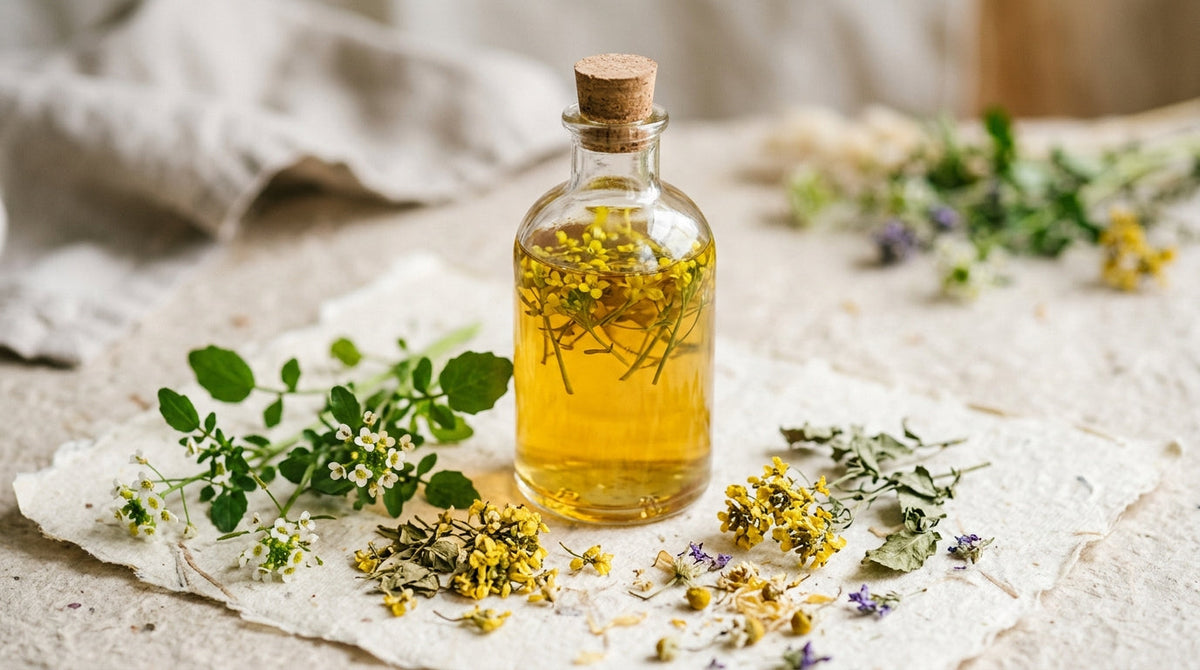
Cress Flower Vinegar
Specific human clinical trials on Cress Flower Vinegar are currently lacking
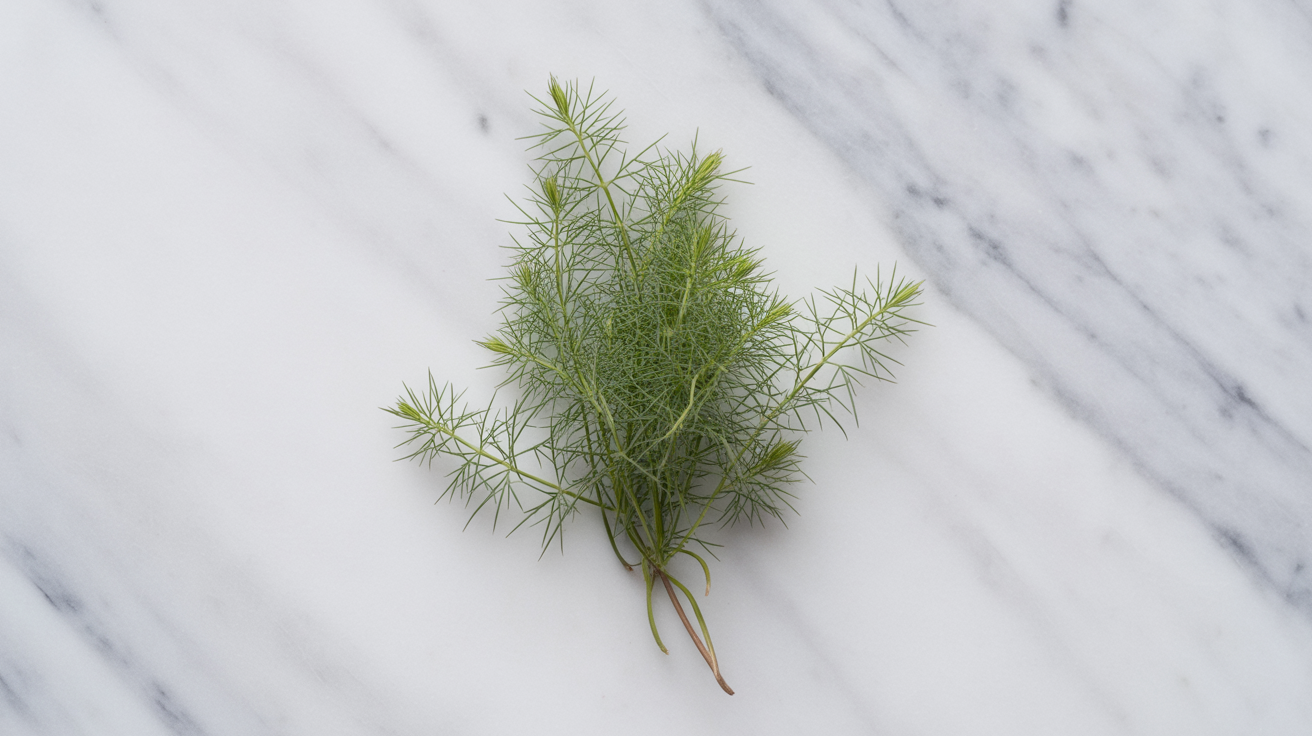
Black Seed Vine (Nigella damascena)
Limited clinical studies have examined Nigella damascena specifically, with most research focusing on the related Nigella sativa
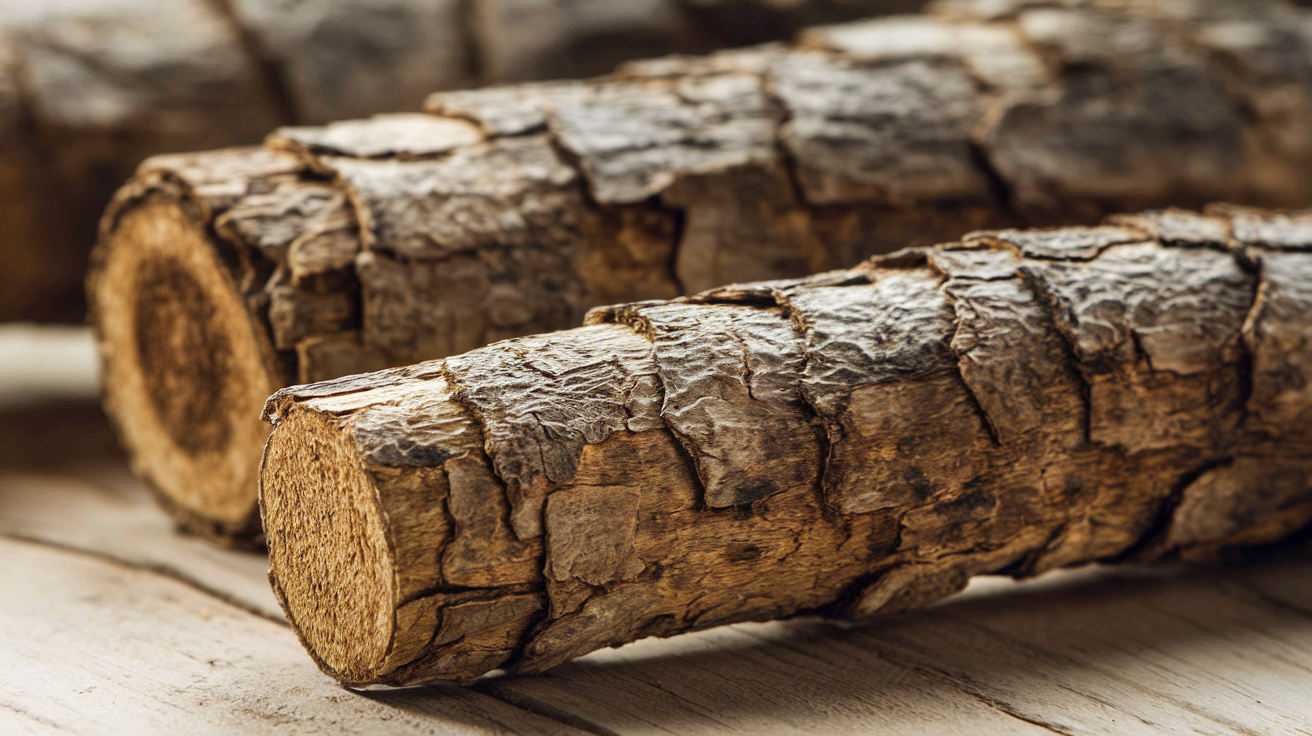
Cinchona (Cinchona officinalis)
Modern clinical evidence for cinchona is extremely limited, with most antimalarial research focusing on isolated quinine rather than whole bark ext...
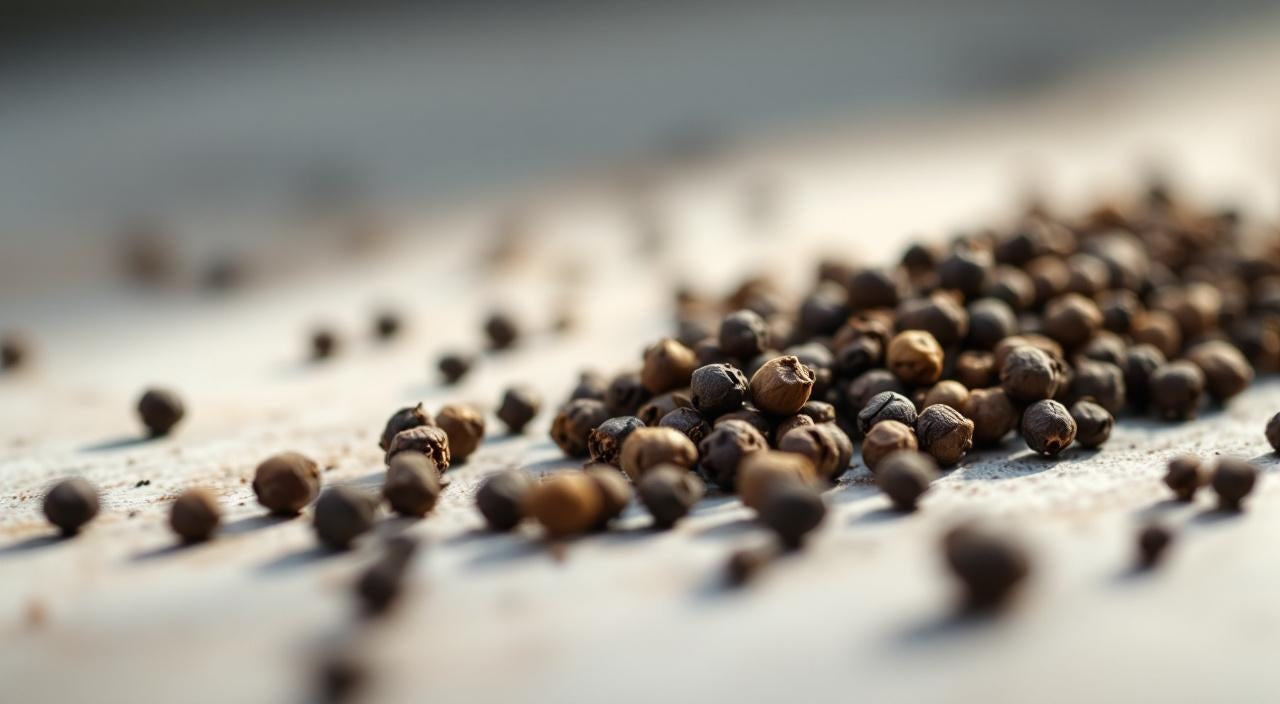
Colombian Wild Peppercorns
Research, primarily from in vitro and animal models using Piper nigrum, supports piperine's role in enhancing nutrient absorption and its antioxida...
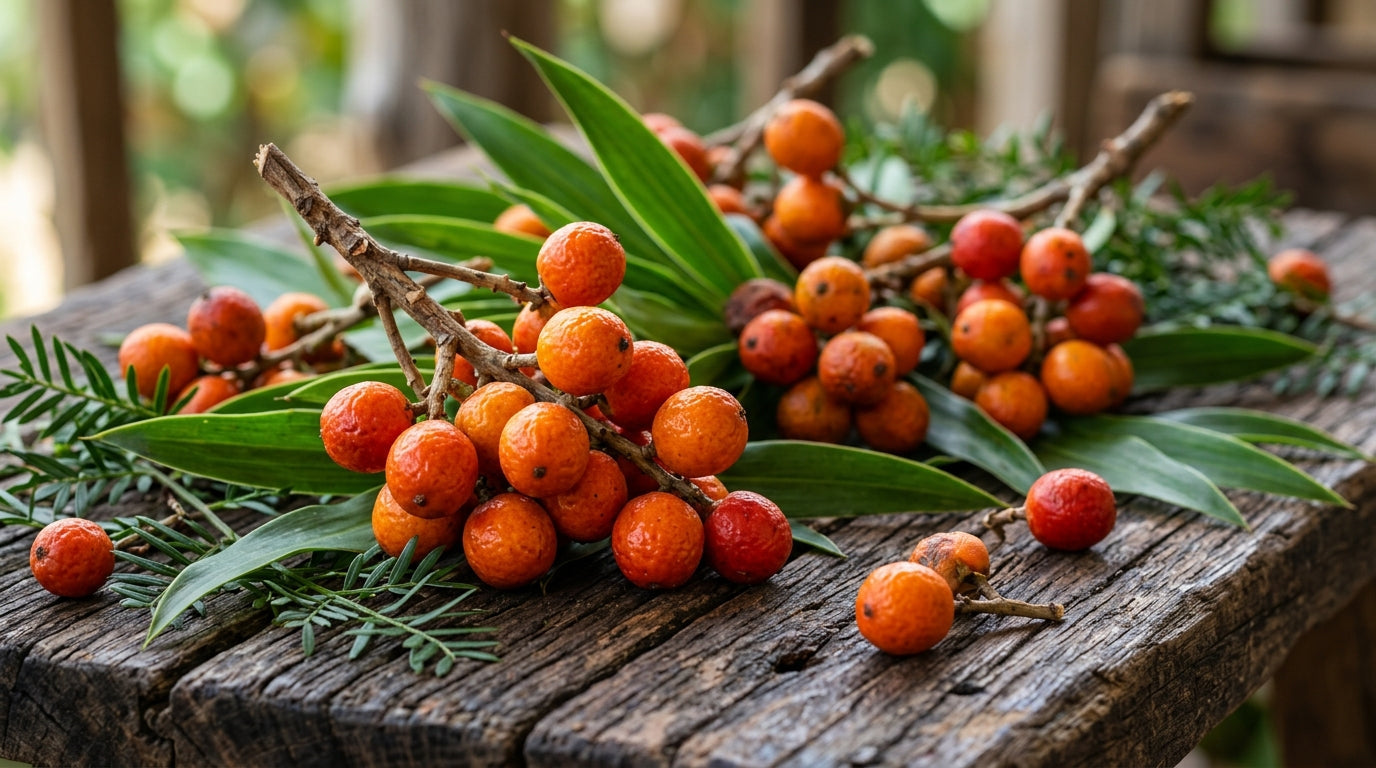
Cape Verdean Dragon Tree Fruit
There are currently no reported clinical studies or trials specifically investigating the health effects of Cape Verdean Dragon Tree fruit consumpt...
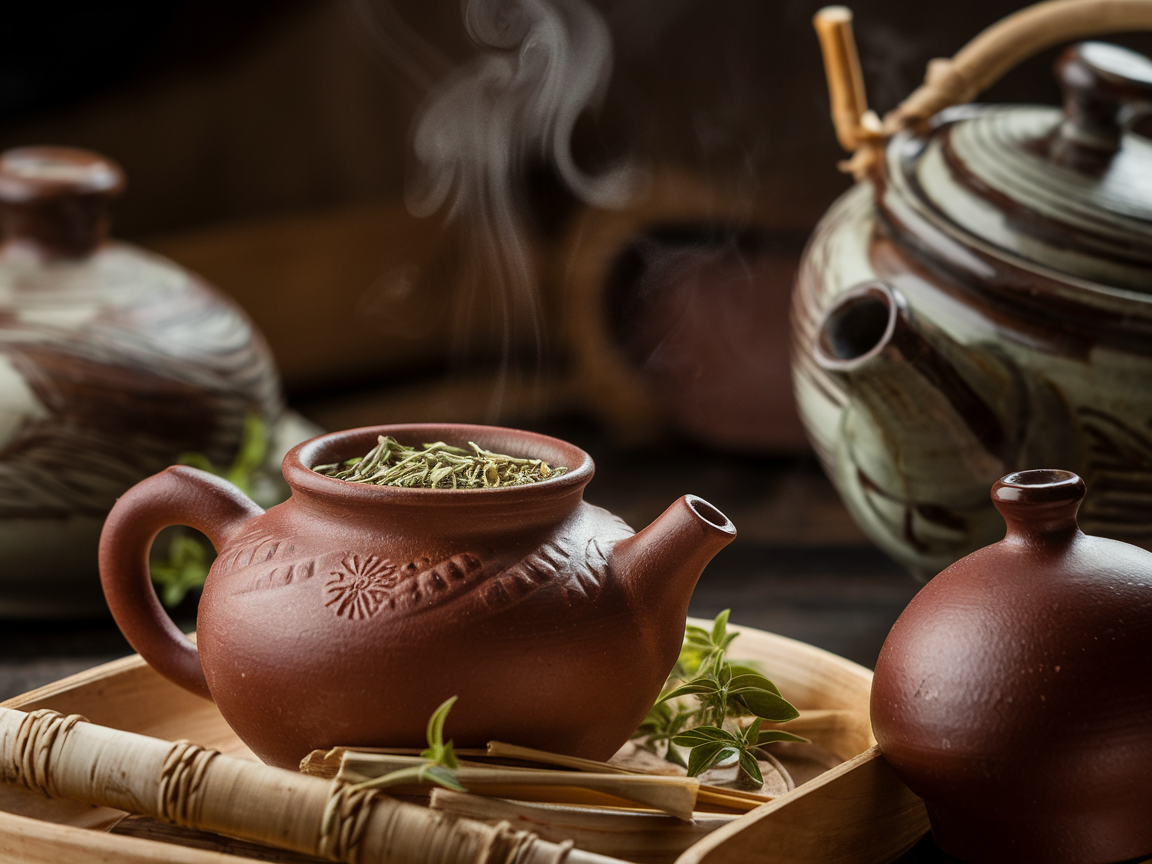
Basil Seed Oil
Limited human studies exist specifically on basil seed oil supplementation
Full Article Library
Ingredient Encyclopedia articles
1119 published guides, page 1 of 23.
Black Seed Vine (Nigella damascena)
Limited clinical studies have examined Nigella damascena specifically, with most research focusing on the related Nigella sativa
Read guideCinchona (Cinchona officinalis)
Modern clinical evidence for cinchona is extremely limited, with most antimalarial research focusing on isolated quinine rather than whole bark extracts
Read guideResearch, primarily from in vitro and animal models using Piper nigrum, supports piperine's role in enhancing nutrient absorption and its antioxidant and anti-inflammatory properties
Read guideCape Verdean Dragon Tree Fruit
There are currently no reported clinical studies or trials specifically investigating the health effects of Cape Verdean Dragon Tree fruit consumption in humans or animals
Read guide

Scientific literature, including in vitro and animal studies, supports the antimicrobial, wound-healing, and neuroprotective properties of Gutta-Percha's natural latex compounds
Read guide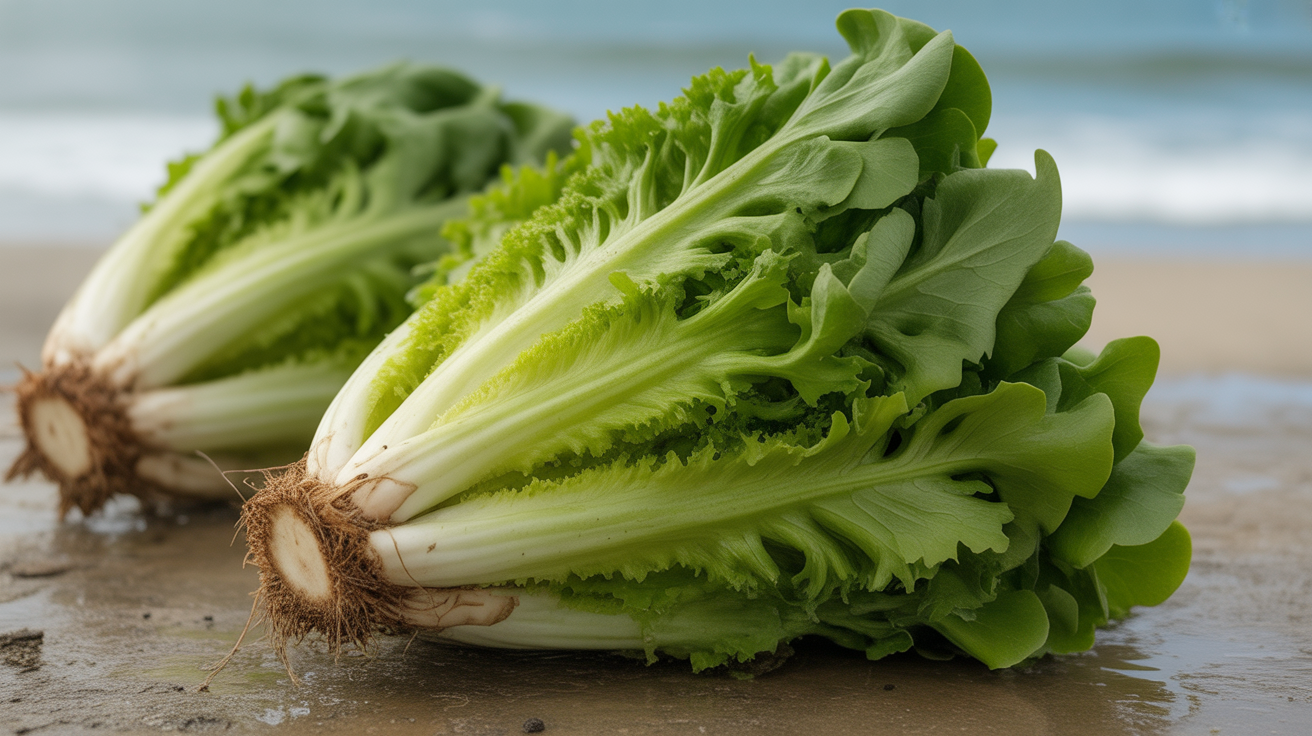
Research on *Ulva* species, including *Ulva lactuca*, predominantly consists of *in vitro* and preclinical studies
Read guide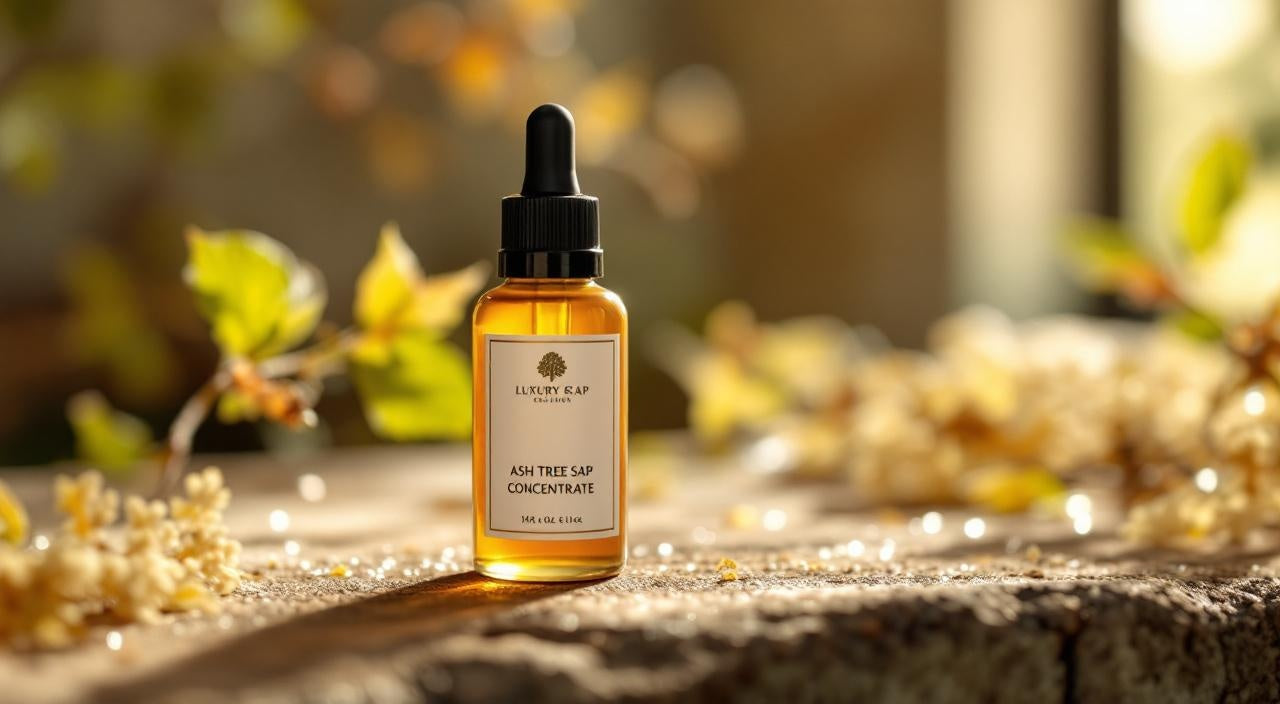
While Ash Tree Sap Concentrate has a long history of traditional use as a mild laxative and sweetener, modern clinical research specifically investigating its efficacy, dosing, and outcomes in huma...
Read guide
Human studies demonstrate GHK-Cu's efficacy in improving skin elasticity by up to 35% and reducing wrinkle depth by 27% after 8-12 weeks of topical application
Read guide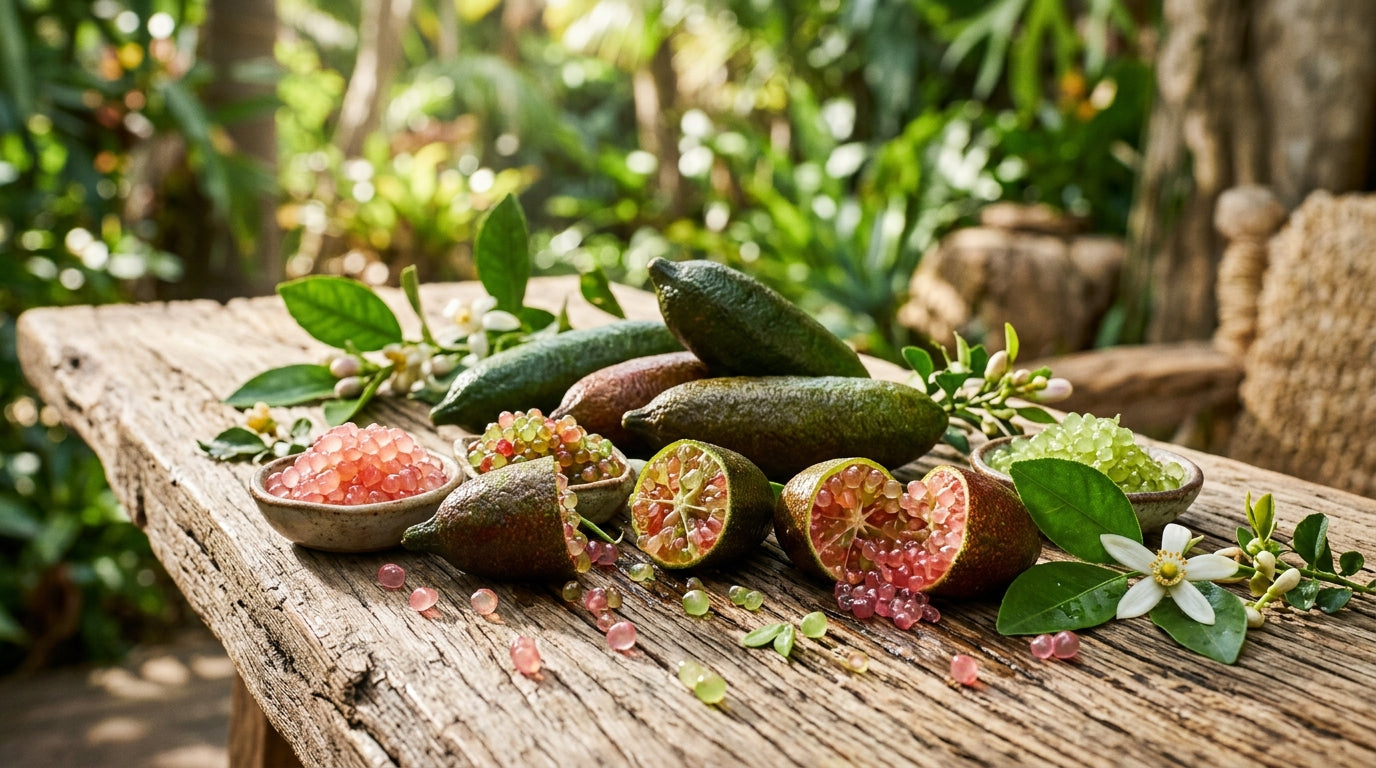
Emerging scientific research on Finger Lime (Citrus australasica) highlights its significant antioxidant, anti-inflammatory, and antibacterial properties, attributed to its rich phytochemical profile
Read guide
No clinical trials — human or animal — have been conducted on Alyxia stellata as a standalone therapeutic agent
Read guide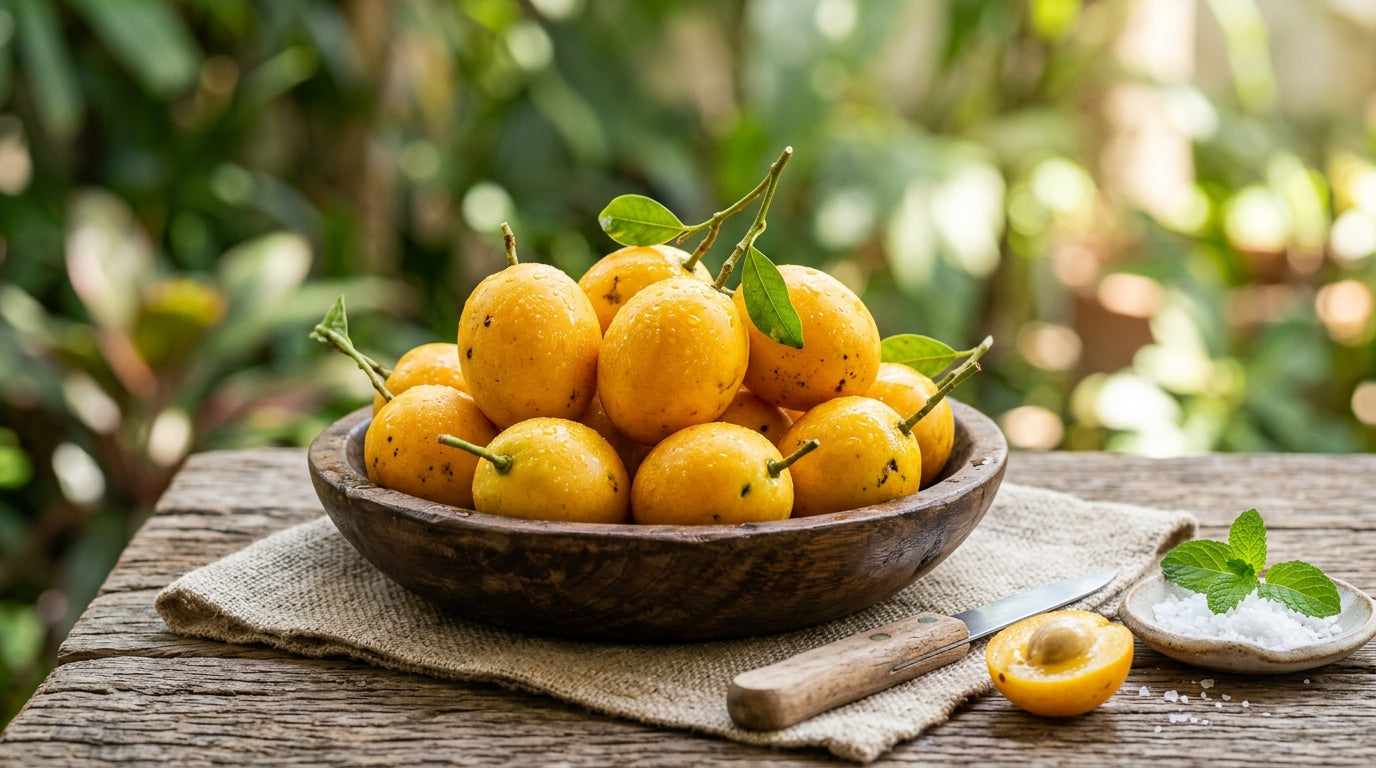
While traditional uses of Golden Mombin are widely recognized, specific human clinical trials detailing dosage, efficacy, and safety are currently limited in the provided research
Read guide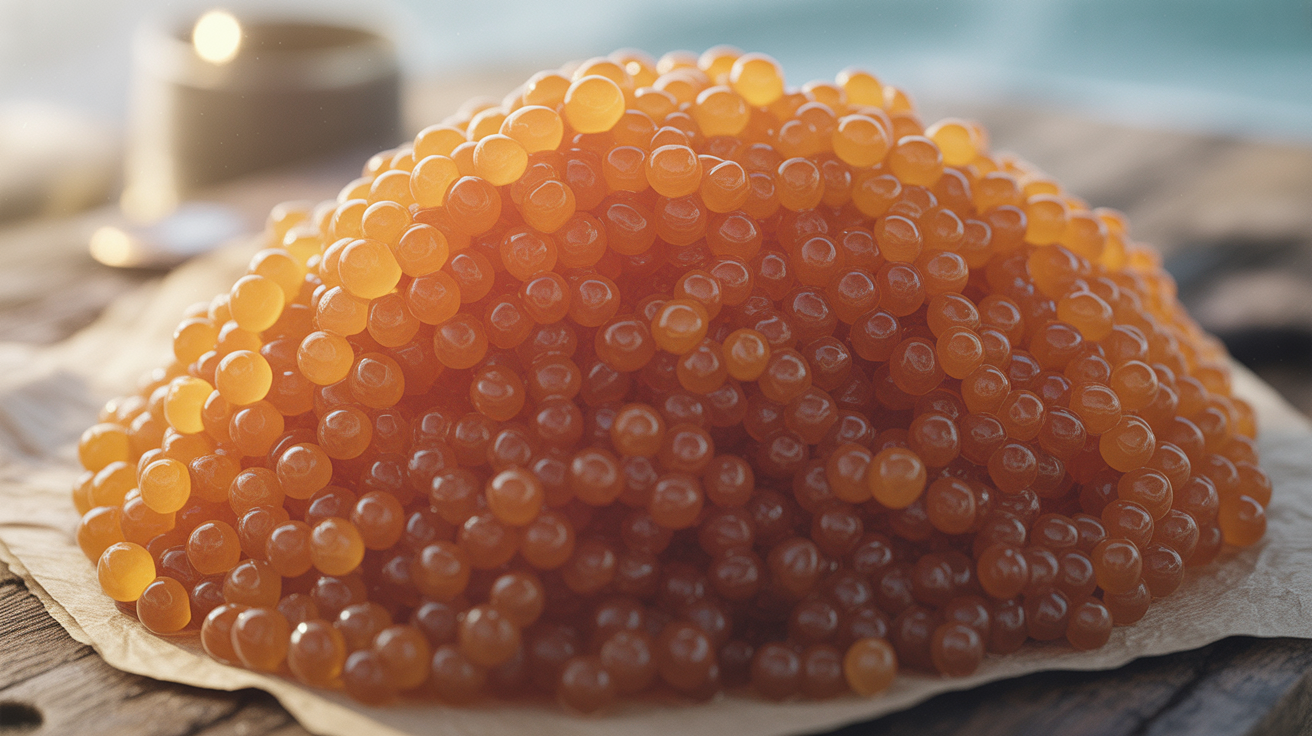
Extensive research, including both in vitro and in vivo studies, supports the significant cardiovascular, cognitive, and anti-inflammatory benefits of fish roe, primarily attributed to its high con...
Read guide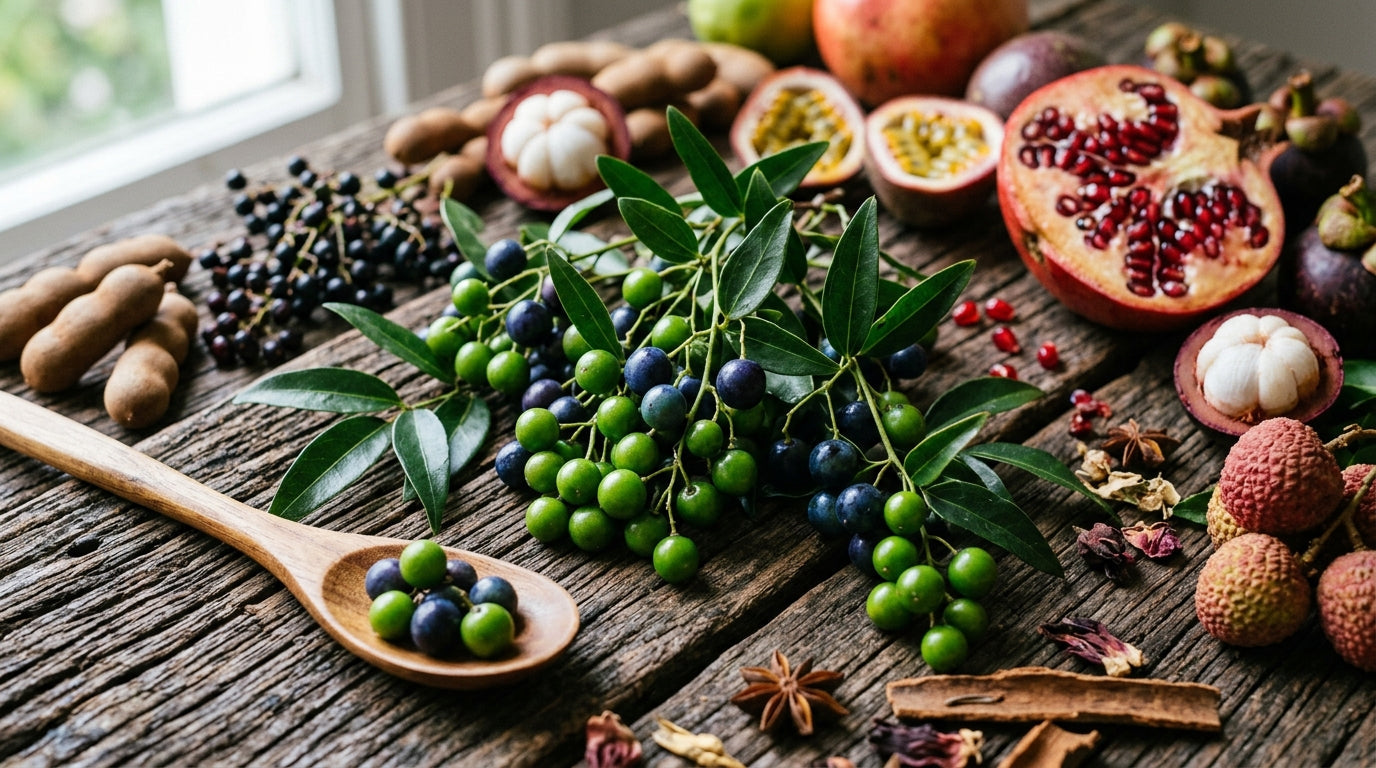
Clinical research specifically on the functional benefits of Boquila fruit in humans is currently limited
Read guide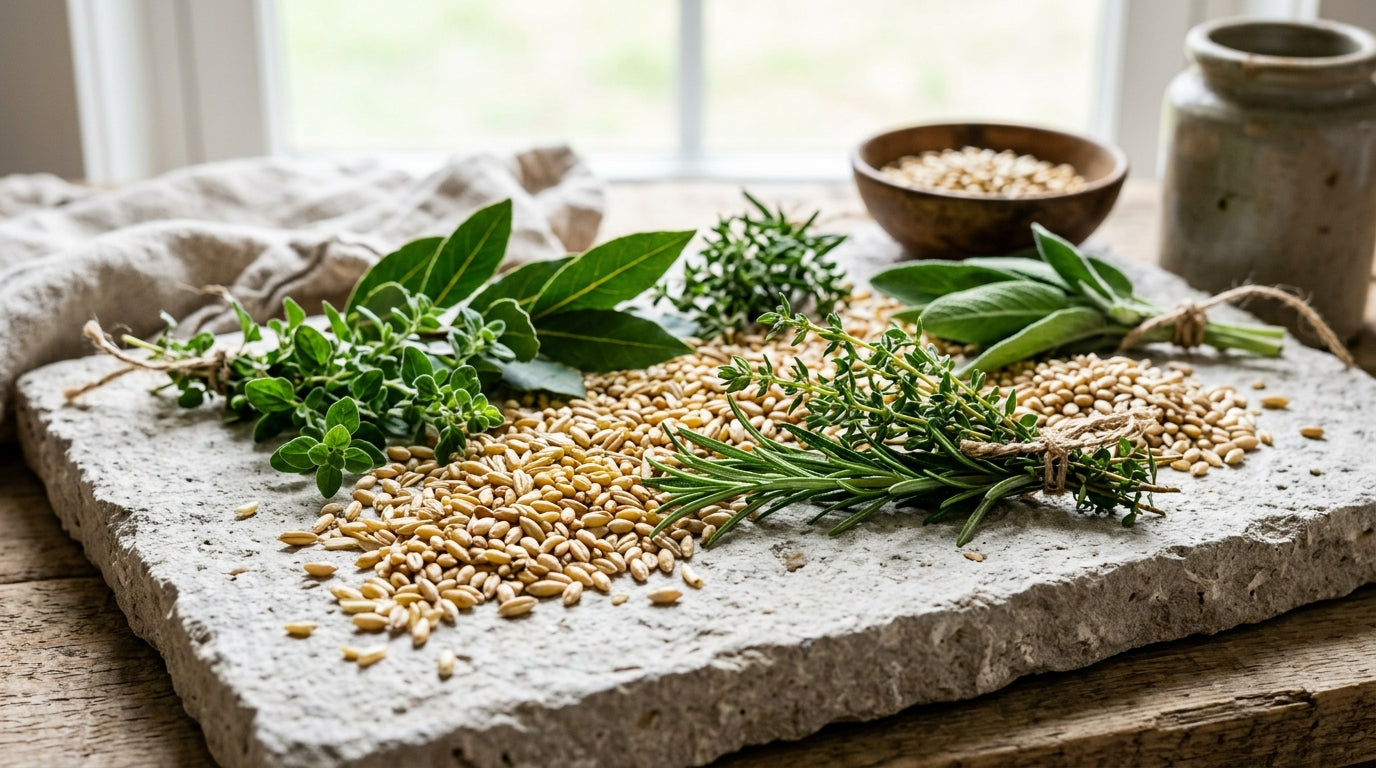
General research on resilient desert grains and finger millet indicates benefits for digestive health, cardiovascular function, sustained energy, and potential for blood glucose management
Read guide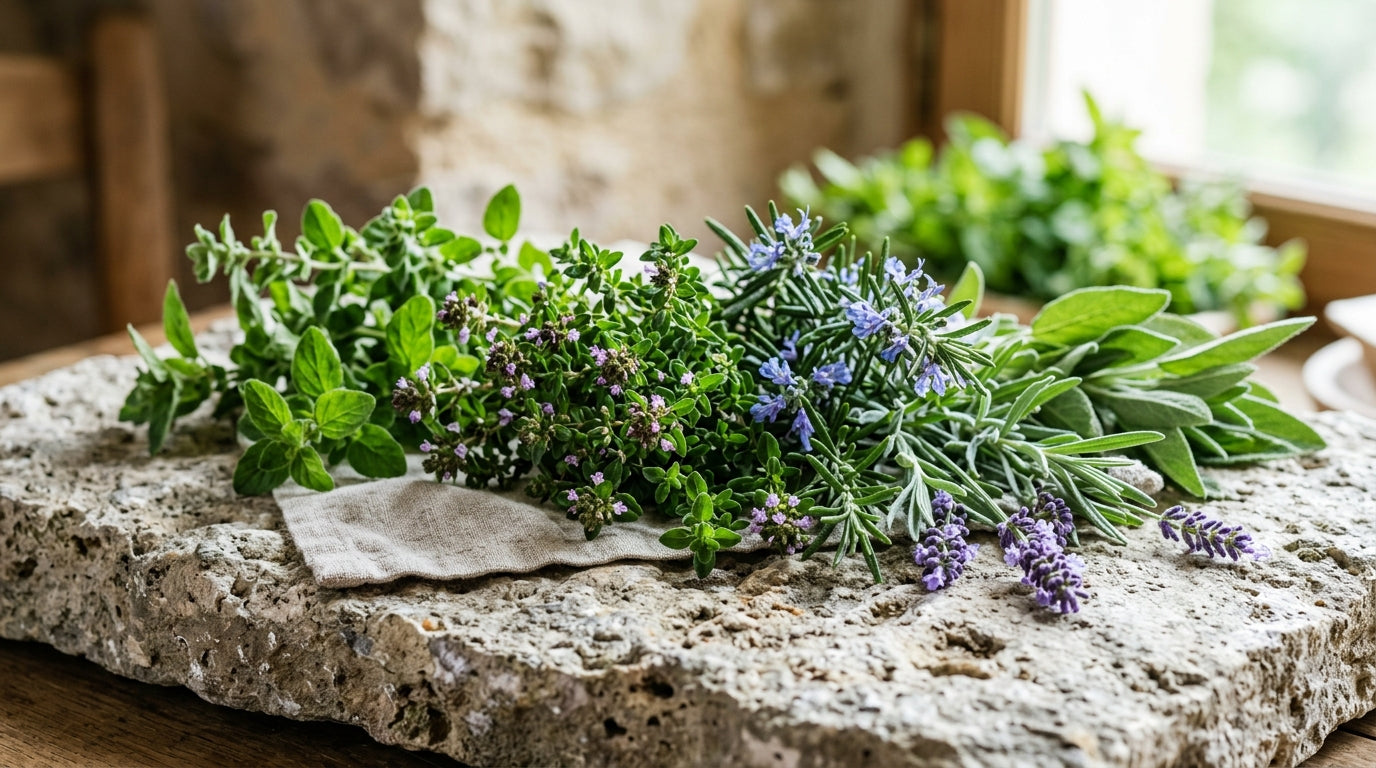
Specific modern human clinical studies rigorously evaluating the efficacy of French Alpine Herb (Artemisia alba) for digestive, immune, or skin health are extremely limited
Read guide
There are no published human clinical trials evaluating Harungana madagascariensis for any indication, including its primary traditional uses of treating hemorrhoids (piles) and trypanosomiasis
Read guide
No human clinical trials have been conducted or published for Carpolobia lutea as of the available literature, making formal clinical evidence summaries premature
Read guide
Bifidobacterium thermophilum has been investigated in limited clinical trials, primarily focusing on its impact on lactose intolerance and gut health
Read guide
Current evidence for Arctic Heather Berry consists primarily of preliminary in vitro and animal studies examining its polyphenolic content and antioxidant capacity
Read guide
No published RCTs have specifically tested herring oil (Clupea harengus) as an isolated supplement intervention in human subjects, limiting direct clinical extrapolation
Read guide
Current scientific understanding of Giant Lily Leaf Extract's efficacy is largely derived from *in vitro* and preliminary *in vivo* (animal) studies on various lily species, including Nymphaea giga...
Read guide
Human trials with Bacillus amyloliquefaciens are limited, with most evidence coming from animal studies and in vitro research
Read guide
No human clinical trials have been conducted specifically evaluating Acalypha integrifolia subsp
Read guide
Bamboo Leaf Sap (Bambusa species)
Limited clinical research exists specifically on bamboo leaf sap supplementation in humans
Read guide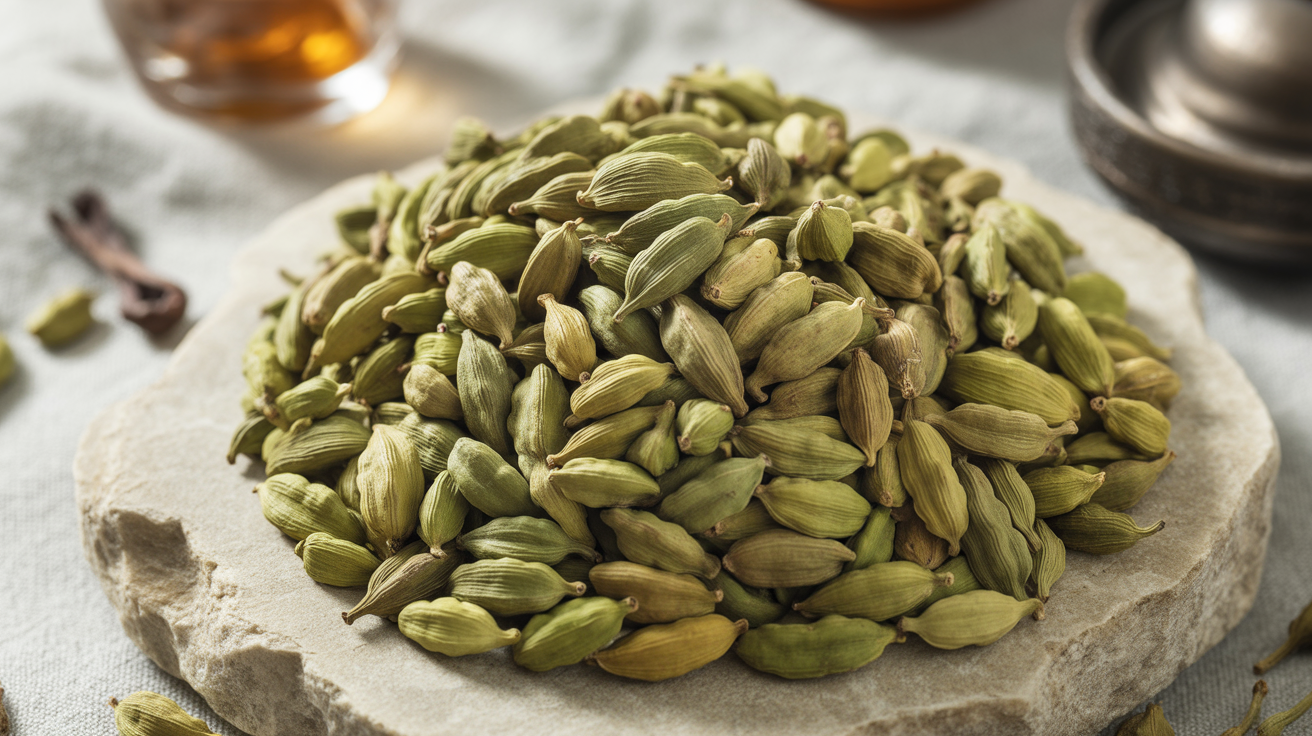
There are currently no human clinical studies with numerical results specifically investigating the efficacy or health outcomes of False Cardamom Leaf Tea (Alpinia mutica or Alpinia nutans)
Read guide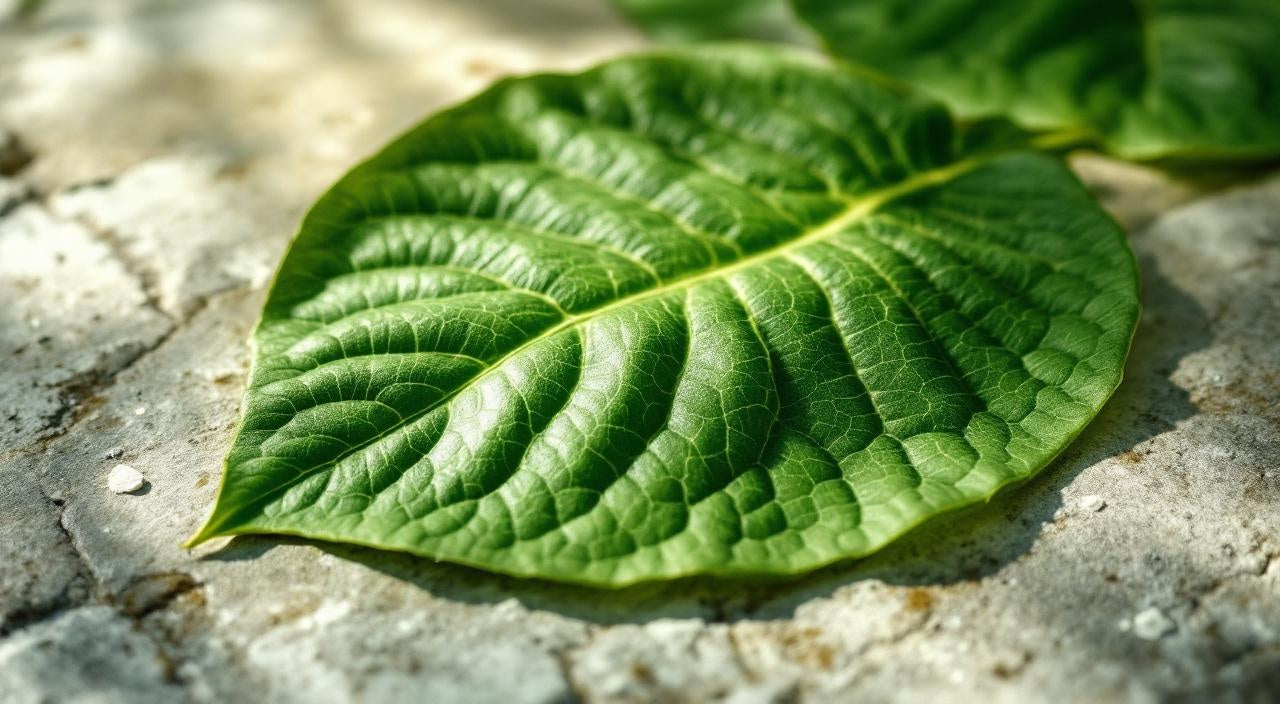
Limited human clinical data exists for cherimoya leaf, with most evidence derived from in vitro and animal studies
Read guide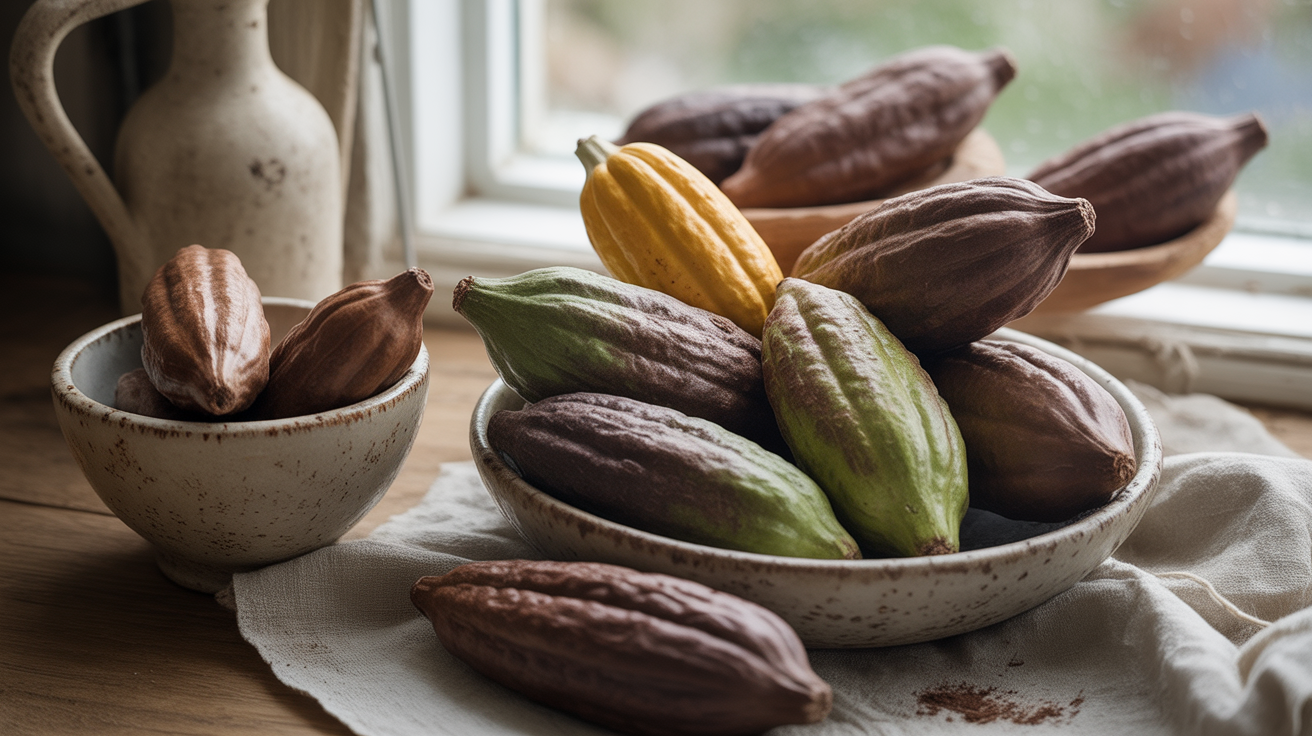
Limited clinical research exists specifically on chocolate pod husk as a supplement ingredient
Read guide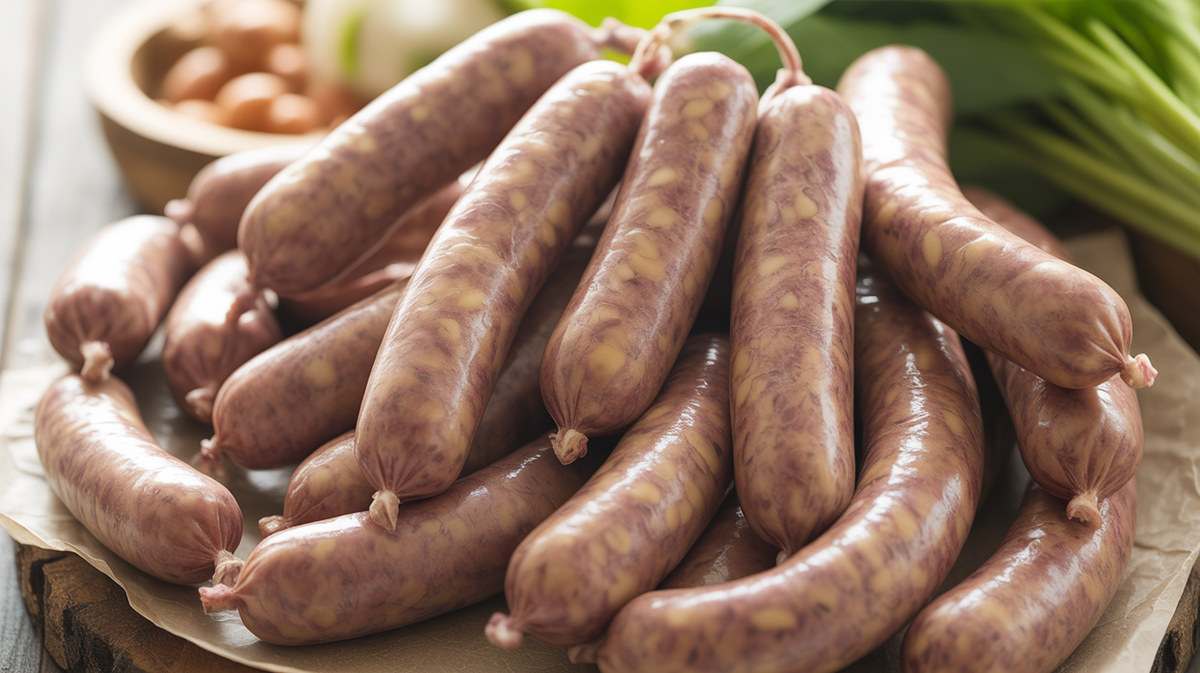
Limited clinical research exists specifically on lupin sausages, with most evidence derived from broader lupin bean studies
Read guide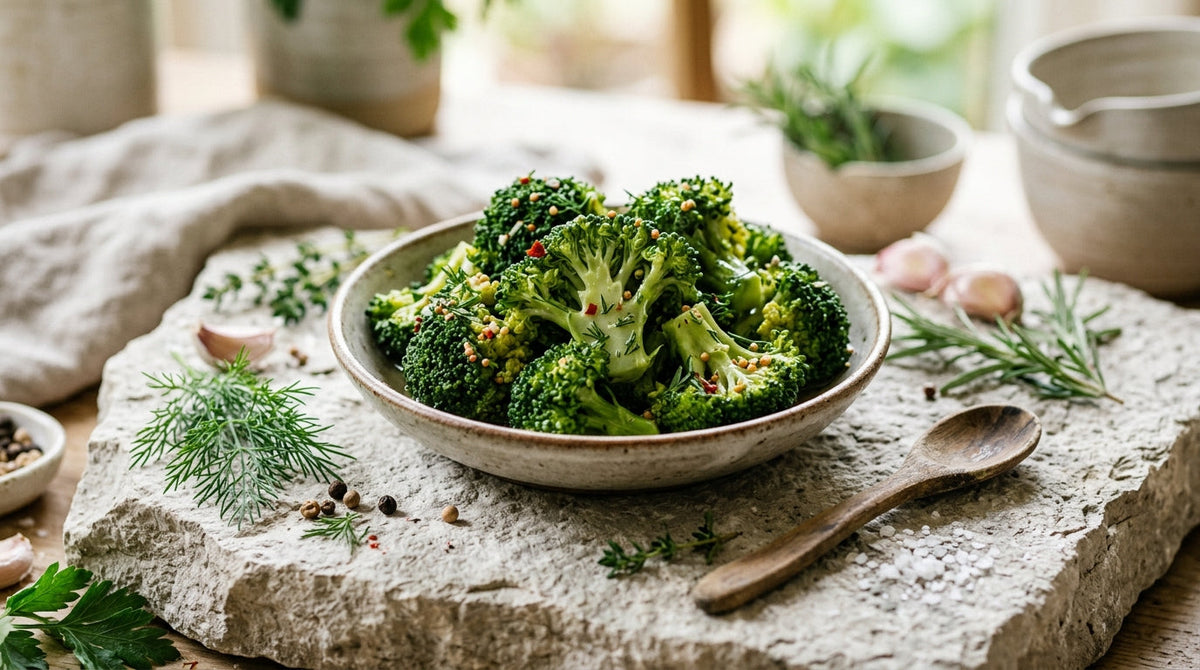
While *in vitro* and animal studies demonstrate that fermentation enhances the bioavailability of sulforaphane and other phenolic compounds in broccoli, direct human clinical trials specifically on...
Read guide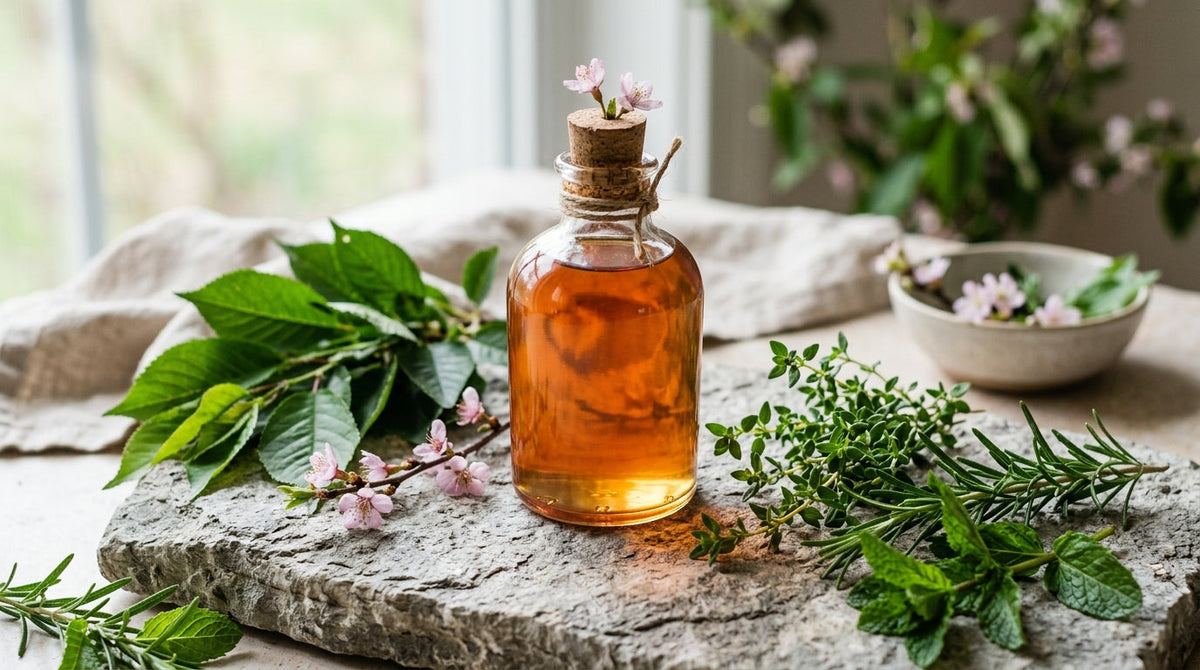
Cherry Blossom Leaf Vine Syrup
While direct clinical trials on Cherry Blossom Leaf Vine Syrup are not detailed, preliminary in vitro studies on Gosen-Sakura (Prunus serrulata) leaf extract demonstrate significant anti-tumor acti...
Read guide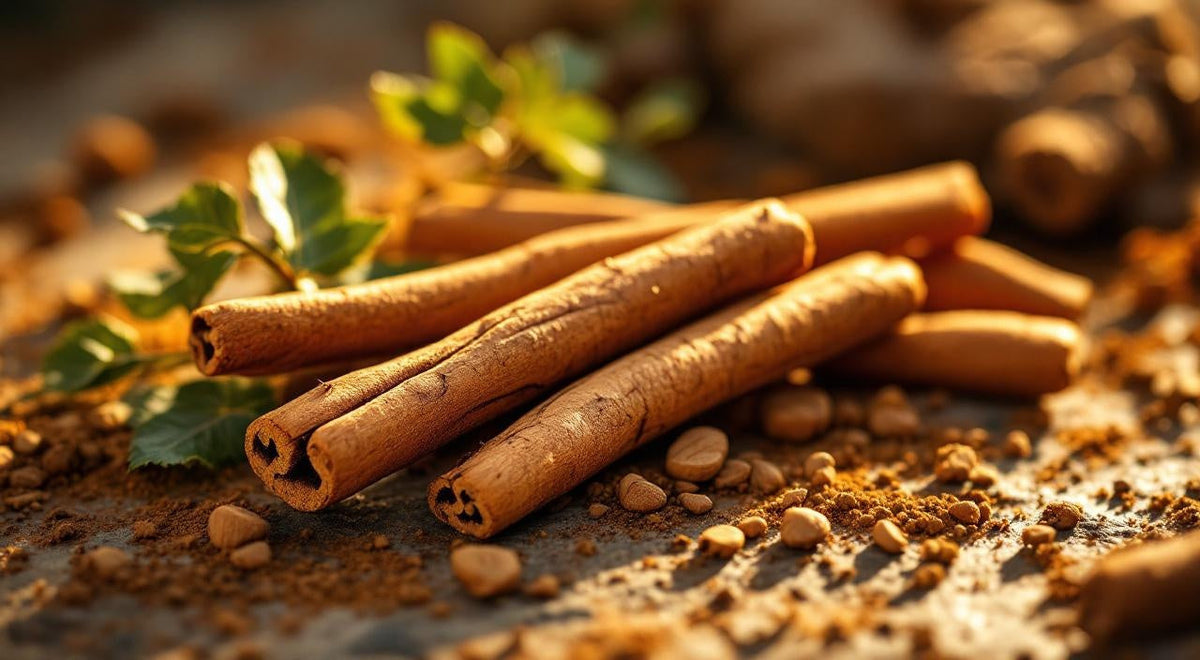
Limited human clinical trials have investigated cinnamon vine root specifically
Read guide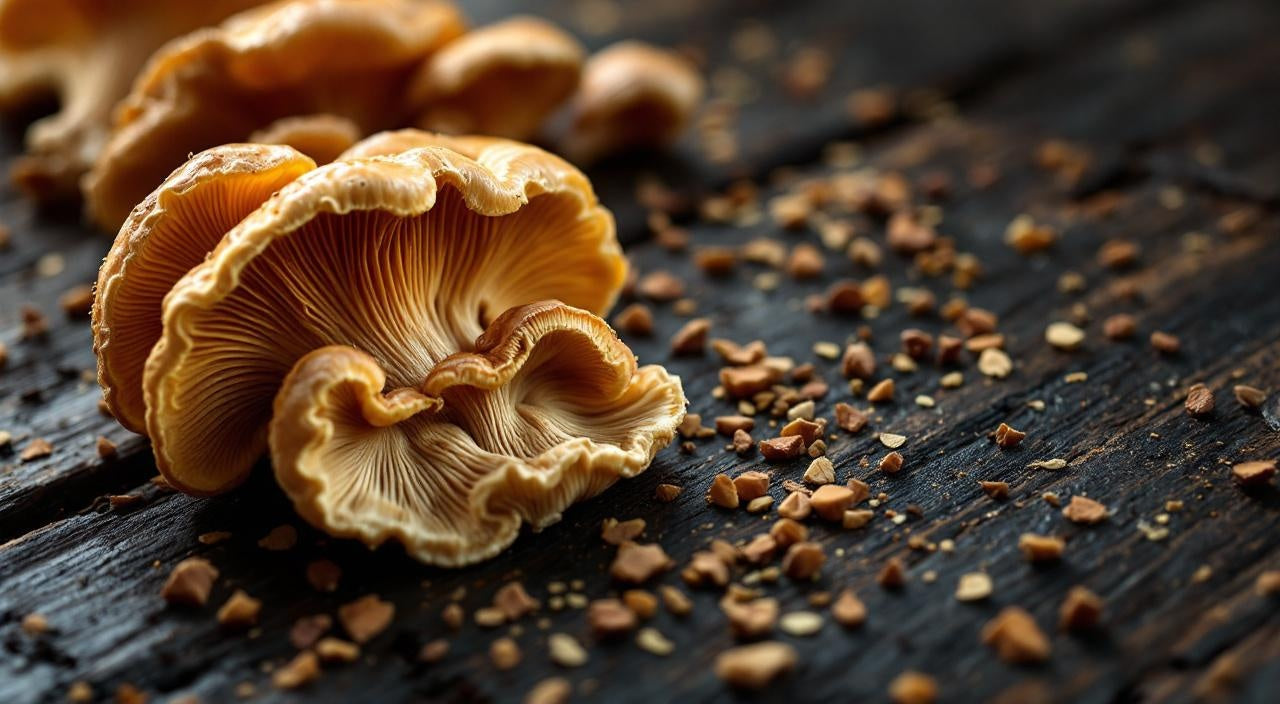
No clinical trials of any phase or design have investigated Ganoderma zonatum as a therapeutic or nutritional intervention in human subjects, and no institutional review board-approved protocols ta...
Read guide
No human clinical trials have specifically evaluated isolated cinchonine as a therapeutic agent or dietary supplement, leaving its clinical evidence base essentially nonexistent
Read guide
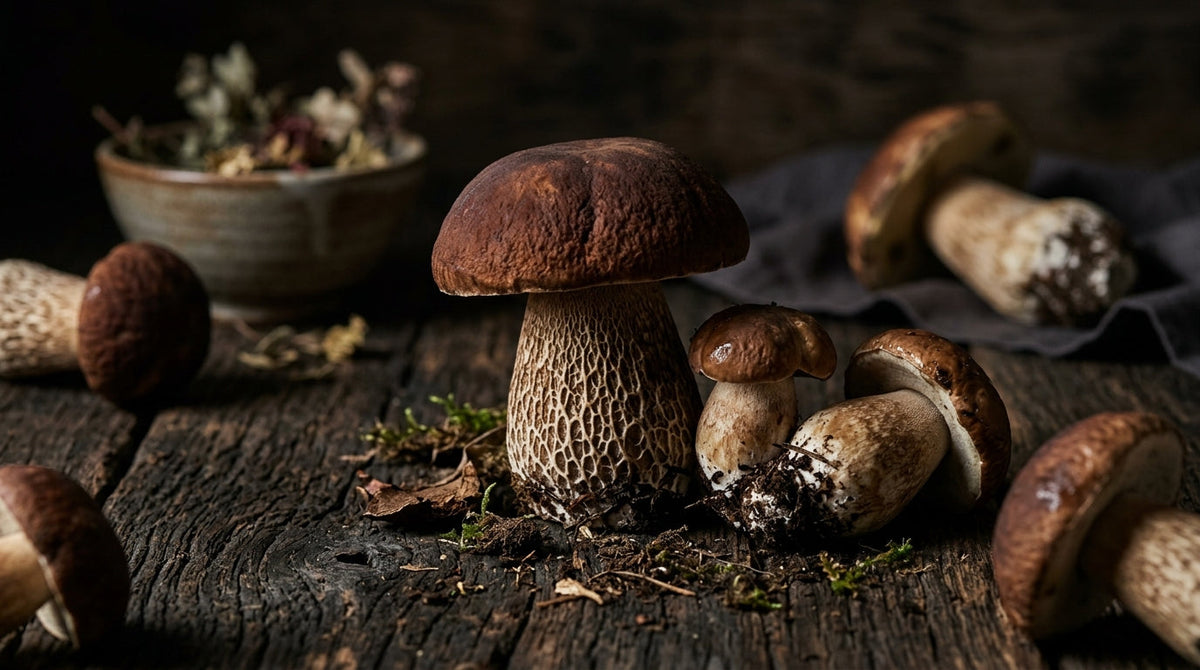
No specific human clinical studies, trials, or quantitative results detailing efficacy rates or dosages are reported for Boletus reticulatus in the provided research
Read guide
Preliminary human and animal studies on *Psidium guajava* leaf extracts indicate potential benefits across several health areas
Read guide
Human studies on laminarin are limited, with most research conducted in vitro and in animal models
Read guide
Bacteroides uniformis CECT 7771
Human clinical trials with Bacteroides uniformis CECT 7771 have demonstrated a 15% reduction in LDL cholesterol levels in participants over 12-week intervention periods
Read guide
Bur Marigold (Bidens tripartita)
Research on Bur Marigold primarily consists of in vitro and animal studies, which have supported its anti-inflammatory, antioxidant, and antimicrobial properties
Read guide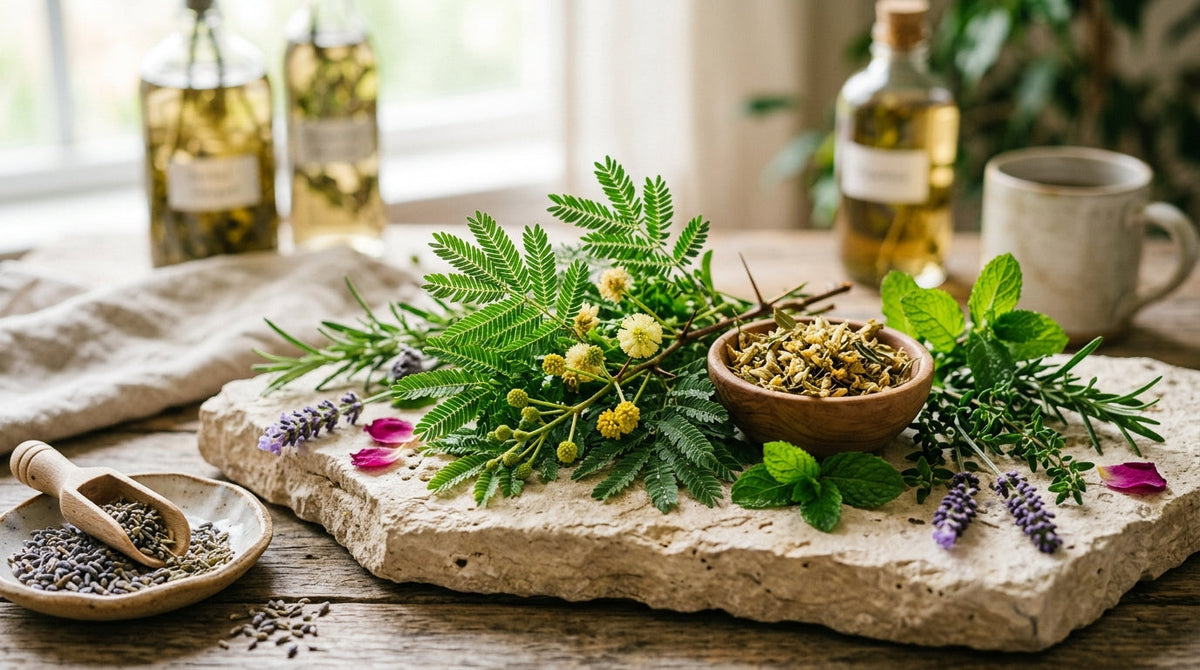
Current evidence is limited to preclinical animal studies, with no published human clinical trials available
Read guide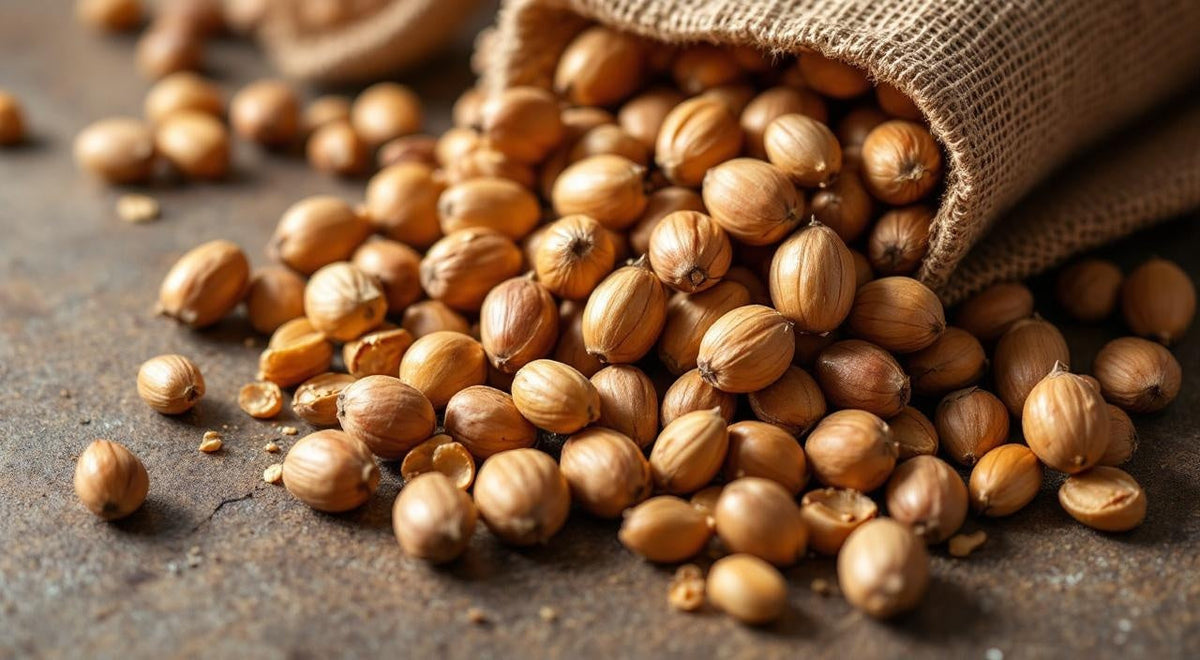
Ethnobotanical records confirm the traditional use of Chinquapin nuts as a nutritious food and therapeutic resource, aligning its rich nutritional profile with potential cardiovascular and antioxid...
Read guide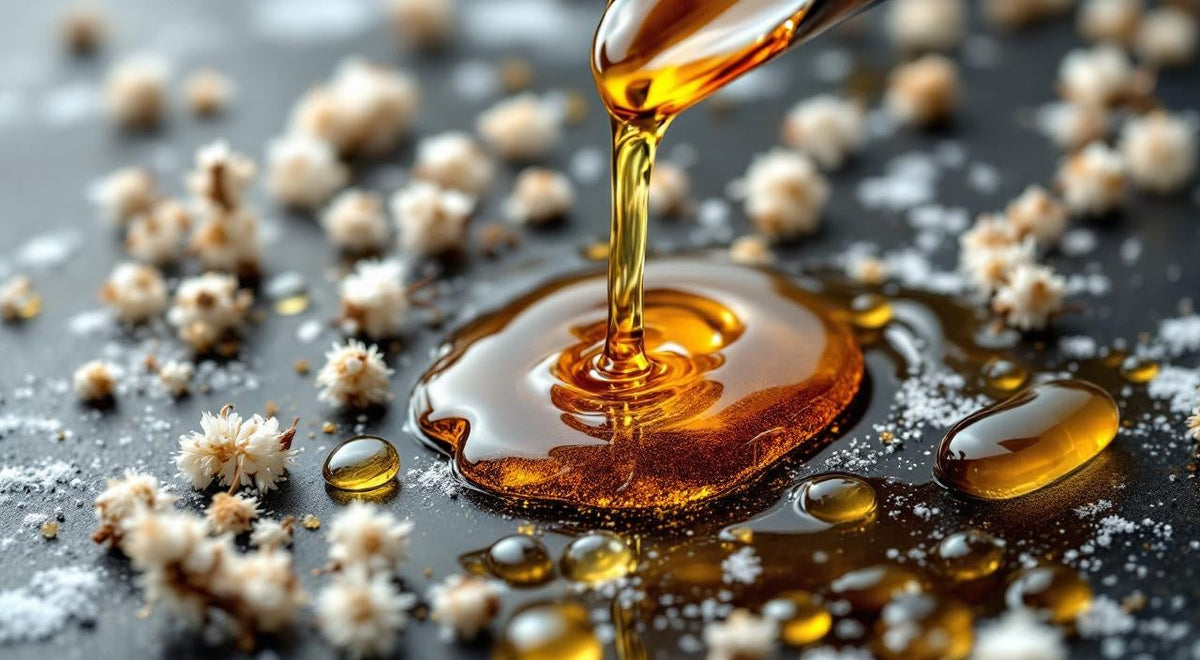
Specific modern clinical research directly on birch catkin syrup remains very limited
Read guide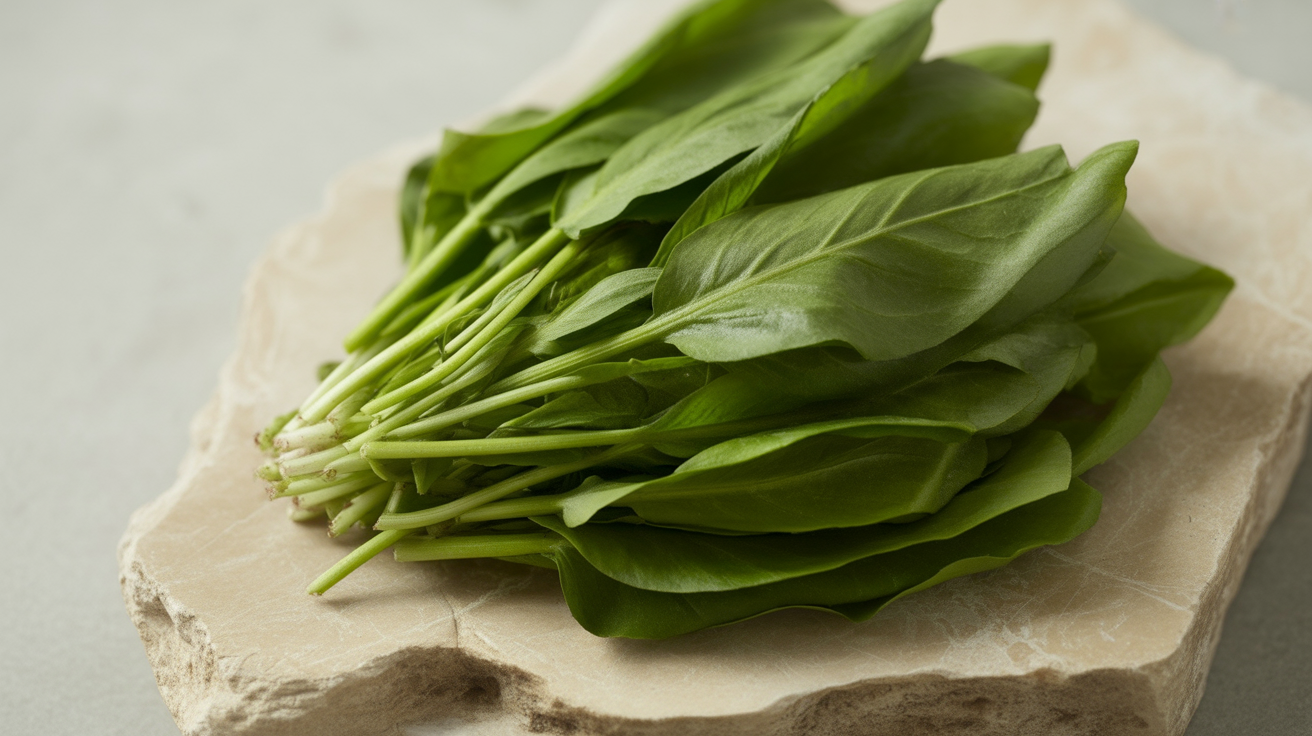
While specific clinical trials on "Georgian Wild Sorrel" are limited due to its regional designation, studies on general *Rumex acetosa* (common sorrel) investigate its antioxidant and anti-inflamm...
Read guide
Current evidence is limited to in vitro and animal studies, with no published human clinical trials available
Read guide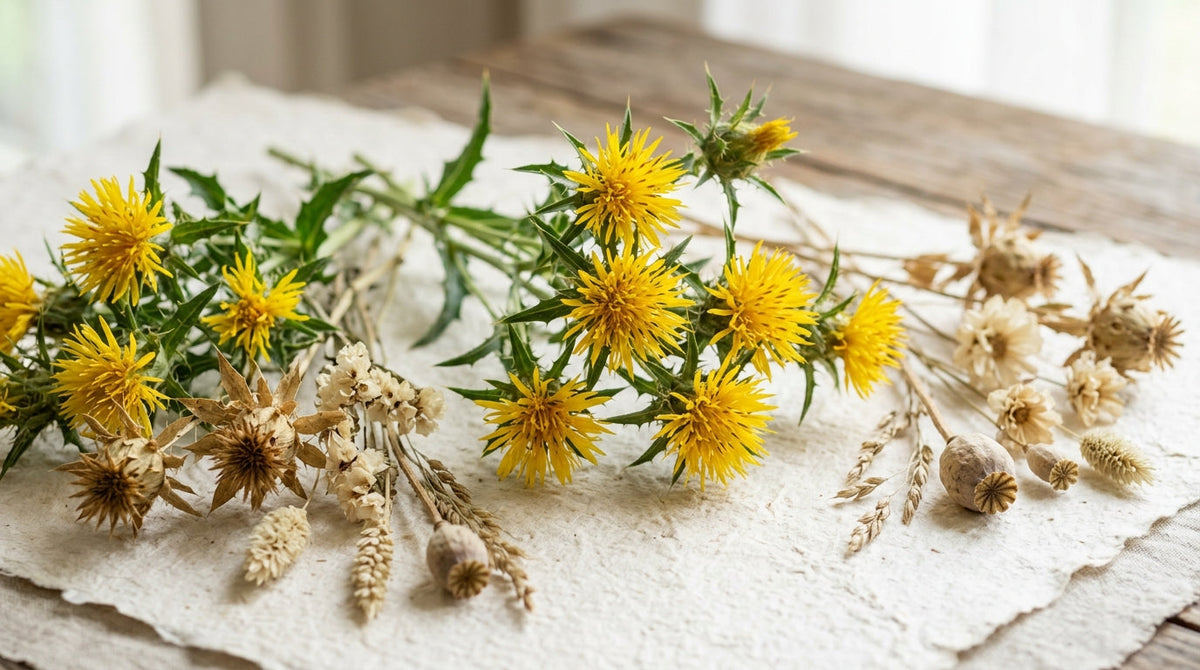
Golden Thistle (Scolymus hispanicus)
Scientific studies have primarily focused on in vitro models, confirming the hepatoprotective, anti-inflammatory, and antimicrobial activities of Scolymus hispanicus
Read guide
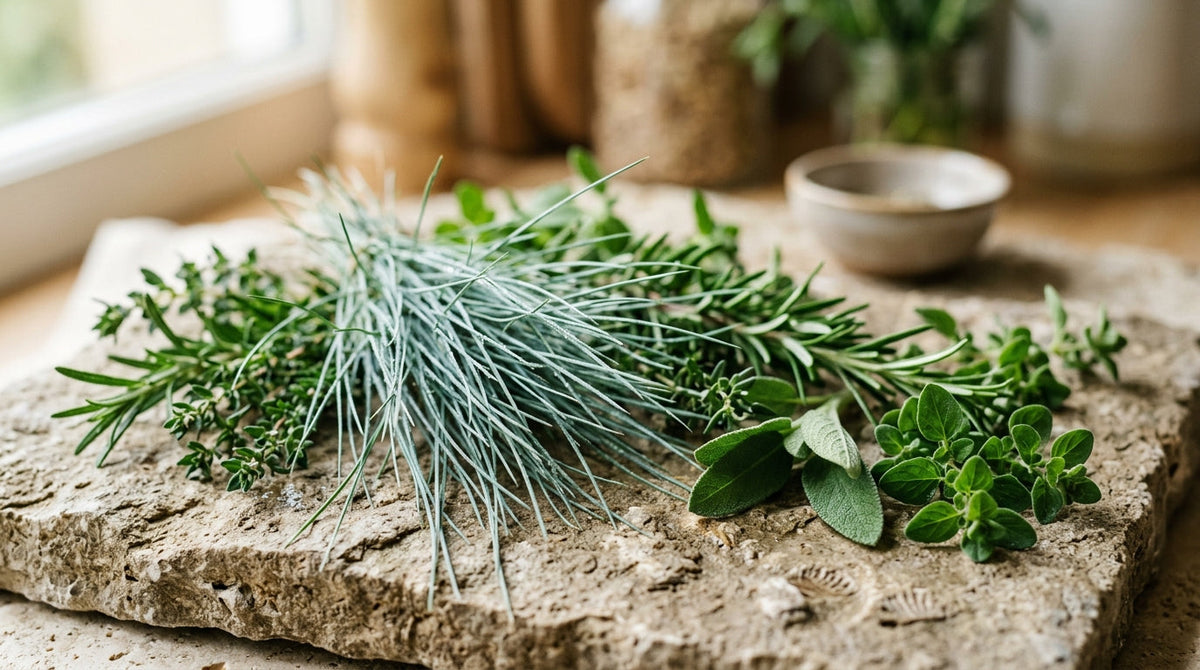
No human clinical trials exist for Blue Fescue shoots, with research limited to agricultural applications
Read guide
No clinical trials examining isolated celastrol as a defined intervention in human subjects have been reported in the available literature, making a formal clinical summary impossible at this time
Read guide